

Choosing A Dive Centre

Choosing Diver Education – What Really Matters
When choosing diver education, there are some fundamental factors that deserve your attention before asking: “How much is the course?”
Diving (or sub-aqua) is a thrilling, challenging, and deeply rewarding sport. It also requires patience to learn, a degree of self-awareness, and the ability to build confidence and skills appropriate to the environment you are entering.
So the real question is not simply about cost.
What should you be asking instead?
Is the first question you should ask: “How much is the course?”
We would argue—no.
A better starting point is:
“Is safety my primary concern?”
Because ultimately, it should be.
Diving is an activity that demands responsibility
Would you jump out of an aeroplane without a parachute?
Of course not—it would be reckless and unsafe.
Diving is no different. While the environment is very different, the principle is the same: you are placing yourself in conditions where preparation, training, and equipment matter.
You want:
-
Well-maintained, appropriate equipment
-
A safe and controlled training environment
-
Structured, progressive instruction
-
Instructors you trust and can learn from
The real value of diver training
Good diver education is not about the cheapest option—it is about the quality of the experience, the standards of instruction, and the confidence you build as a result.
When you choose training based on value rather than price alone, you are investing in:
-
Your safety
-
Your competence
-
Your long-term enjoyment of the sport
It's Not about Cost - It's about value for money
Whilst generally, costs for dive courses tend not to vary that much within geographic areas, the quality of training and its flexibility does. Dive schools have profit margins like any other business. You need to ensure you fully understand a like for like offer.
For example; a price matched or “cheaper” Open Water Course may seem easier on the wallet however, ask yourself:
What is it that you are NOT getting with one that you do the other?
- Is ALL of the equipment you require included, or do you have to purchase or hire some or all of it yourself?
- Is all of the equipment NEW and / or regularly serviced?
- What level of experience do your instructors have?
- What flexibility exists for pool sessions and open water schedules?
- Will you have to pay to reschedule any dates?
- Are you fixed to a Dive Centres training timescales, or do they arrange the dates around your availability?
- What is their insurance cover?
- Are they telling you the truth in relation to their diving experience?
- Are they someone from whom you can learn?
- What is the size of the group in Confined Water (pool) and Open Water?
- How will the training be delivered? - Kneeling (not diving) or as a diver midwater, neutrally buoyant, and moving (diving)?
- Is the pool big enough for you to get good quality practise to be able to move around, become streamlined, with good buoyancy so you can be protective and aware of the enviornment you are diving in.
- Do the instructors care about you - or are they on a timescale to get you in and out as quickly as they can.
- Not that you care but are the Dive team (Instructors, Dive Team, Support Staff) paid or are they giving up their time to train you.
Experience Matters

As a new diver, you are putting yourself in an environment that presents significant challenges. Here in the UK, you’re diving in an environment that has factors beyond those in sunnier climates. Your instructor must be able to demonstrate significant experience of the waters in which not only you plan to learn but also in water that you plan to dive in.
Does your instructor dive only in a teaching / training environment, or do they dive for pleasure so that they continue expanding their own diving knowledge and experience?
It isn’t sufficient to learn based purely on standards of the certifying agency. The experience, insight, mistakes and achievements of your instructor and their team allow SSI/PADI/BSAC/RAID or other agency standards to be achieved in a context of “look, I have done this, I’ve seen this” type of teaching.
How is Diver Training Actually Completed?
When choosing diver education, one of the most important questions you should consider is not “How much is the course?” but rather:
“How is the training actually delivered?”
Diving (sub-aqua) is a thrilling, challenging and highly rewarding sport. However, it requires patience, self-awareness, and the ability to develop real confidence and practical skills in an open-water environment—not just a classroom or static setting.
Are you learning to dive… or just learning skills?
Ask yourself:
How much time will you spend learning skills on your knees?
And more importantly:
Is that actually diving?
When learning to dive, you should dive.
That may sound obvious, yet in many training environments students still spend significant time kneeling on the seabed or pool floor in a fixed position, with limited time actually moving, controlling buoyancy, and interacting with the environment.
So what happens when you need to clear a mask or solve a problem mid-water—without a convenient sandy bottom beneath you?
That is not realistic diving.
Modern training standards vs real practice
All major training agencies now state that skills should be taught in a neutral or realistic diving position. However, in practice, some centres and instructors still default to kneeling because it is perceived as “easier”.
The problem is simple:
Easier for whom?
Often, it is easier for the instructor—not the student.
But the role of an instructor is not to make training easier for themselves. It is to produce competent, confident, and safe divers.
Buoyancy is the foundation of diving
Real diving is about developing buoyancy control so you can:
-
Relax in the water
-
Observe and navigate the environment
-
Interact responsibly with marine life
-
Maintain control in all conditions
Even as a learner, you should be developing these skills from the beginning—not after certification.
If you are not given the time and opportunity to practise in a realistic position, your learning is incomplete.
Equipment matters during training
A key question often overlooked is:
What equipment will you actually be using?
Consider:
-
Is equipment provided or must it be hired separately?
-
Is it well maintained and correctly serviced?
-
Is it CE marked and compliant with UK standards?
-
Is servicing and inspection history available on request?
Air quality is equally important. In the UK, breathing air should meet HSE standards and be regularly tested, with results available for review.
If a facility cannot demonstrate these basics, it is reasonable to question their standards.
Comfort, environment and learning progression
Comfort plays a major role in learning.
For example:
-
Cold, poorly fitting wetsuits can negatively affect learning and enjoyment
-
Proper exposure protection allows students to focus on skills rather than discomfort
A good training environment prioritises learning quality and student progression, not just convenience.
Learning at your own pace
Effective training should adapt to the student.
-
Some learners progress quickly
-
Others require more time and repetition
-
Neither should be rushed or held back unnecessarily
Group size matters here. Smaller ratios allow for more focused instruction and better progression without pressure.
Mentoring and long-term development
Some divers benefit from ongoing mentoring beyond initial qualification.
Good instructors don’t just certify divers—they develop them.
Ask yourself:
Do I want to simply pass a course, or do I want to become a capable and confident diver?
Standards, accountability and transparency
A professional dive centre should be transparent about:
-
Instructor certification and status
-
Insurance and legal compliance
-
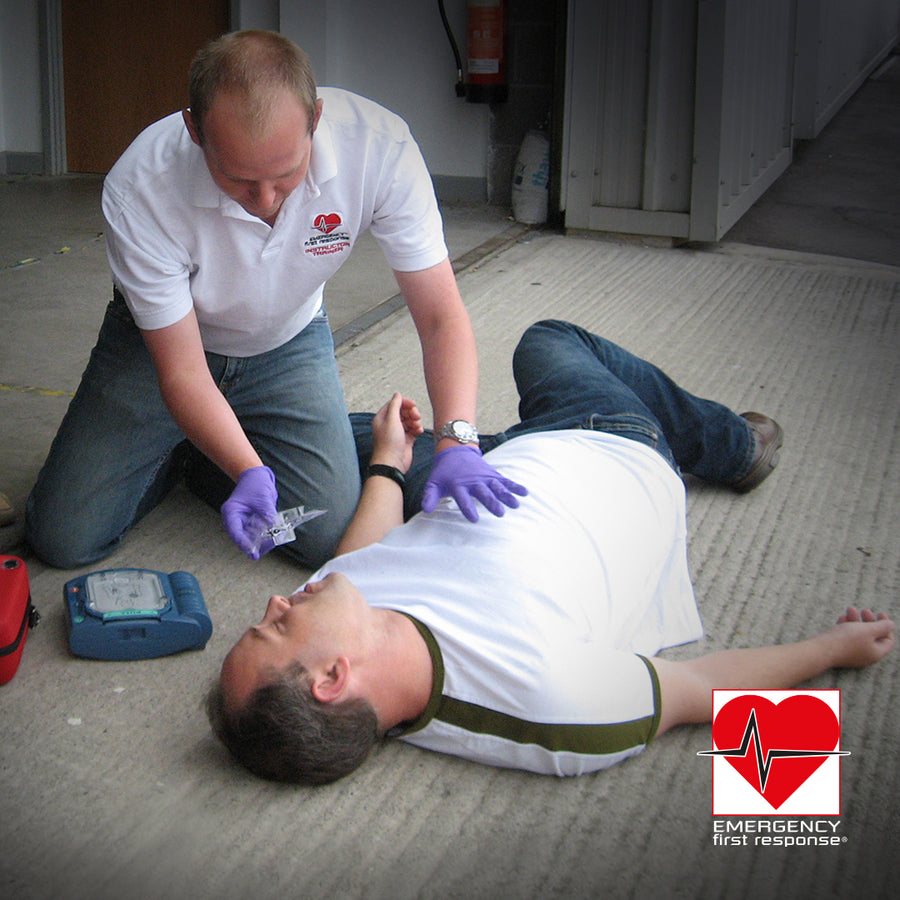
First aid and rescue readiness
-
HSE medical requirements
-
Risk assessment procedures
In the UK, diving instruction is governed by the Health and Safety Executive (HSE) under the Diving at Work Regulations 1997. This applies to all recreational instruction where training is delivered as part of a professional service.
Key expectations include:
-
Risk assessments before and during diving activities
-
Adequate surface support
-
Qualified and medically fit staff
-
Emergency preparedness and oxygen provision
Surface support and safety structure
A properly run dive operation includes structured surface support:
-
Monitoring dive plans and timing
-
Logging entries and exits
-
Supporting kit-up and exit procedures
-
Maintaining communication and emergency readiness
-
Assisting in incident response if required
This is not optional—it is part of safe, compliant operation in the UK.
Youth training and safeguarding
If training younger divers, safeguarding procedures should be:
-
Clearly documented
-
Readily available for review
-
Supported by appropriate DBS checks
-
Transparent and accessible to parents
Do not assume compliance—verify it.
The reality of “cheap training”
It is important to recognise that:
Price is not always a reflection of quality.
Lower-cost training may reduce time in water, limit instruction ratios, or compromise on supervision and experience.
The real question is not cost—but value, safety, and outcome.
Final thoughts
Diver education is an investment in your safety, confidence, and future enjoyment of the sport.
Choose carefully.
Look beyond marketing claims and ask:
-
How is the training actually delivered?
-
Will I be diving, or just practising skills on a floor?
-
Am I being trained for real-world conditions?
Because in diving, as in many things:
Cheap is rarely the best—and sometimes costs more in the long run.
If you would like to understand how we structure training or review our policies and procedures, they are always available on request.