



Knives and Cutting Tools

Expert advice
Talk to divers who use the kit we sell.
Servicing and repairs
Regulators, cylinders, drysuits, BCDs and computer batteries.
Rutland dive centre
A real shop in Oakham, with training and pool sessions.
UK delivery
Posted across the UK. Ask about lead times on special orders.




Frequently asked questions
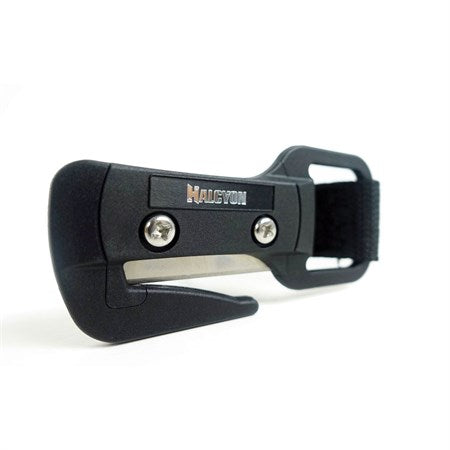
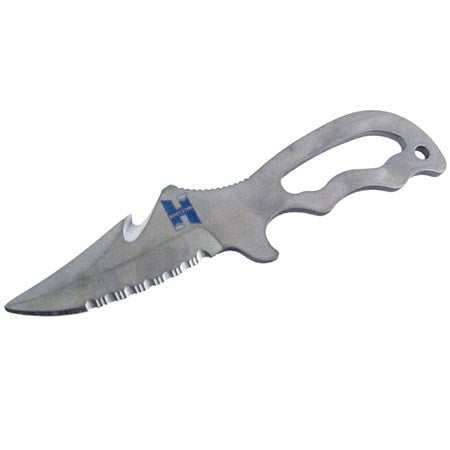
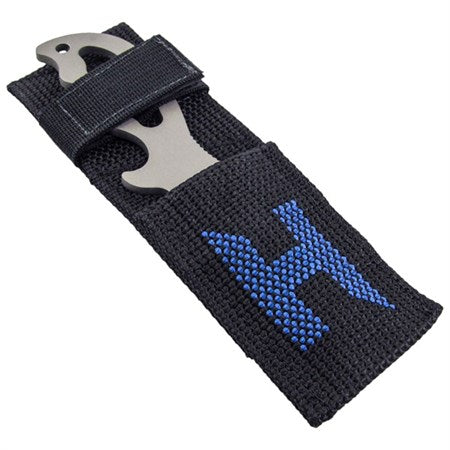
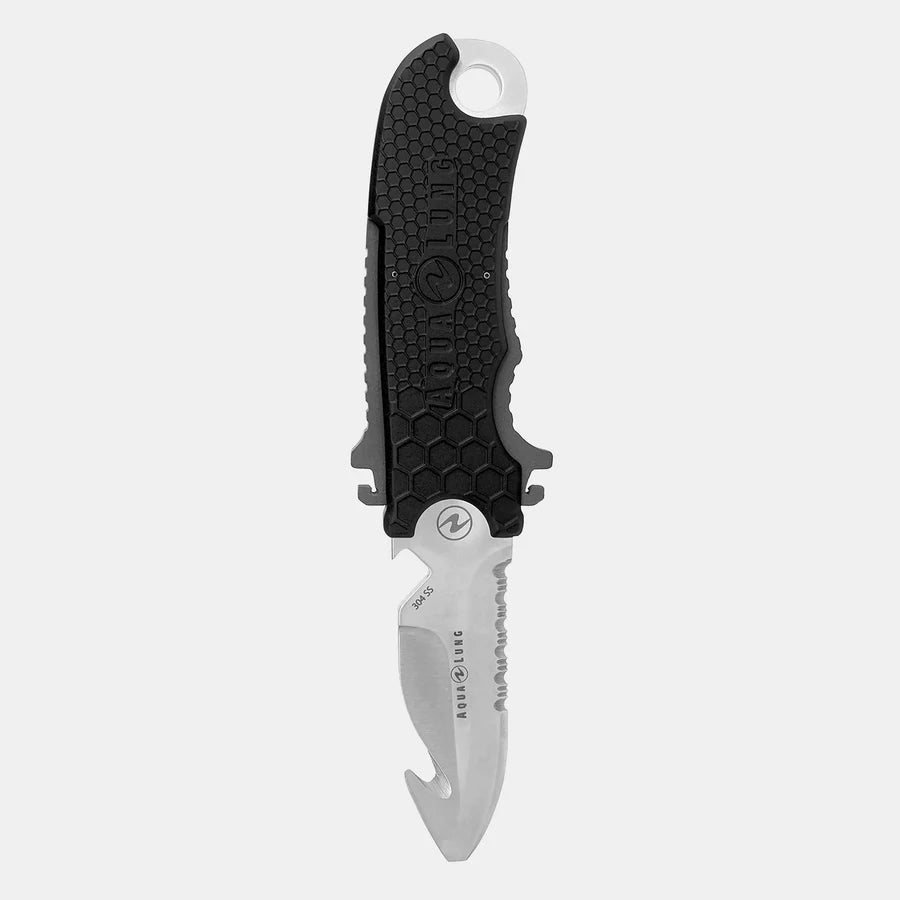
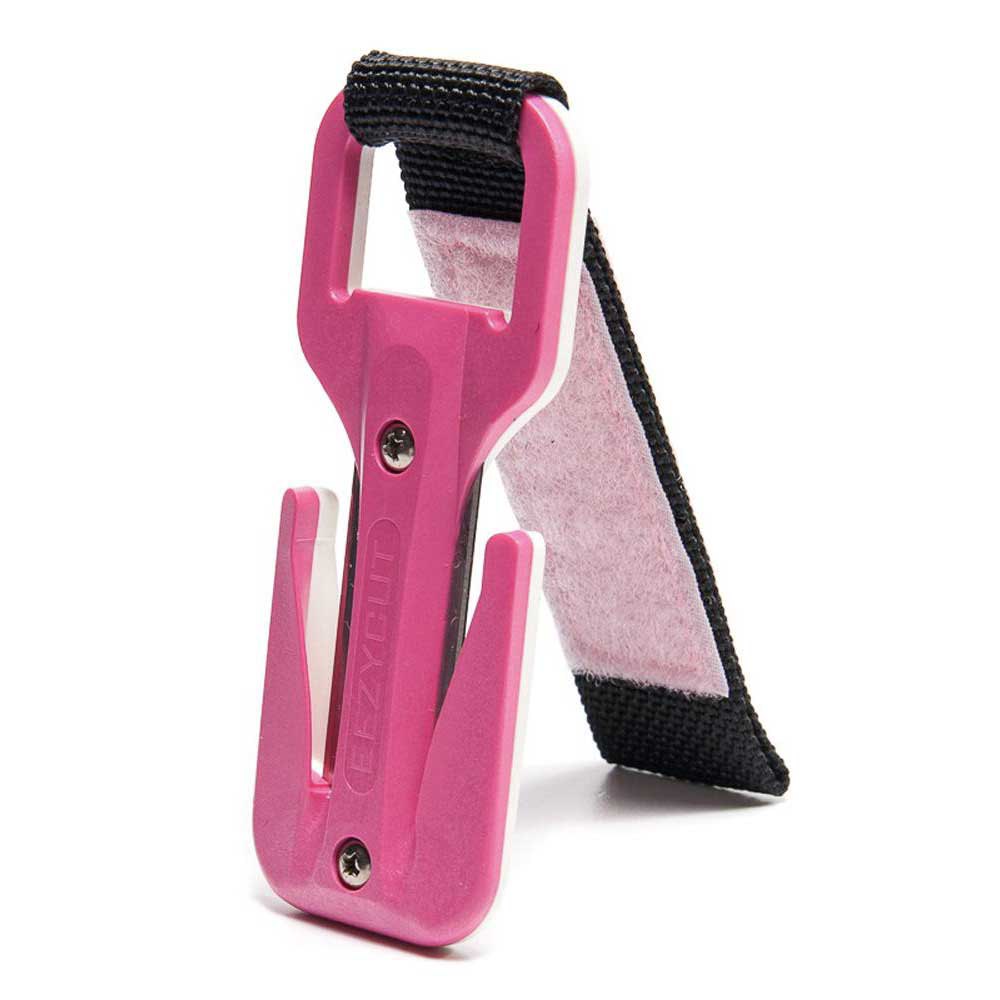
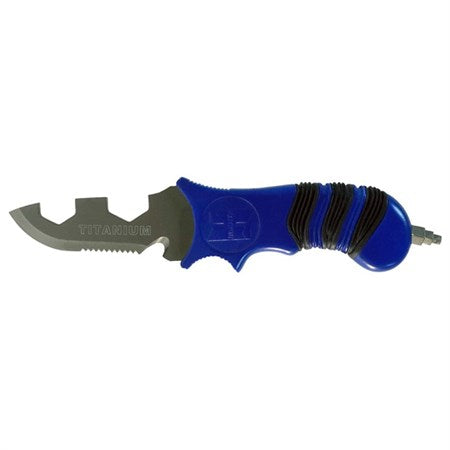
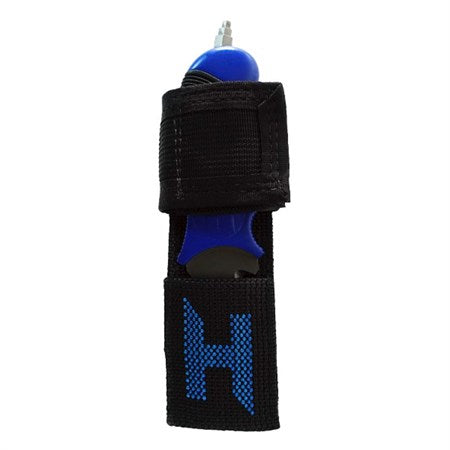
A line cutter has a short cutting edge set inside the tool body, so it is made for cutting line, webbing and netting and little else. A dive knife or multitool has an exposed blade and is more general-purpose. Plenty of divers who dive around wrecks or fishing debris end up carrying both. Formats, dimensions and mounting differ considerably between models, so check the manufacturer specification for the one you are looking at.
Mostly stainless steel, with titanium and ceramic also used. Stainless steel is the most common. Titanium is chosen by some manufacturers for its corrosion resistance, and ceramic appears in some fixed line cutters. Materials, blade dimensions and whether any part is replaceable vary between models, so check the manufacturer specification rather than assuming.
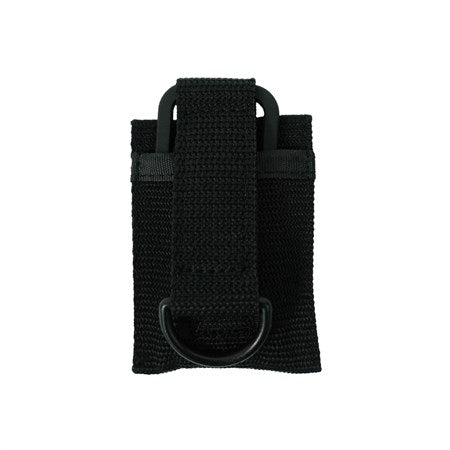
Rinse it in fresh water after every dive and dry it fully before storing. Check the sheath, mount or retaining clip for wear while you are checking the rest of your kit. Some tools use replaceable blades or cartridges; swap them when the cut starts to drag rather than pressing harder. Follow the manufacturer's care instructions for your specific tool, as they differ.
It depends on the diving you do and on the kit you already own, so there is no single answer that fits everyone. Using a cutting tool is covered in dive training, and your instructor is the right person to ask about technique. For the kit itself, call us or come into the shop in Rutland and we will go through the options with you.