



Rashguards

Expert advice
Talk to divers who use the kit we sell.
Servicing and repairs
Regulators, cylinders, drysuits, BCDs and computer batteries.
Rutland dive centre
A real shop in Oakham, with training and pool sessions.
UK delivery
Posted across the UK. Ask about lead times on special orders.






Frequently asked questions
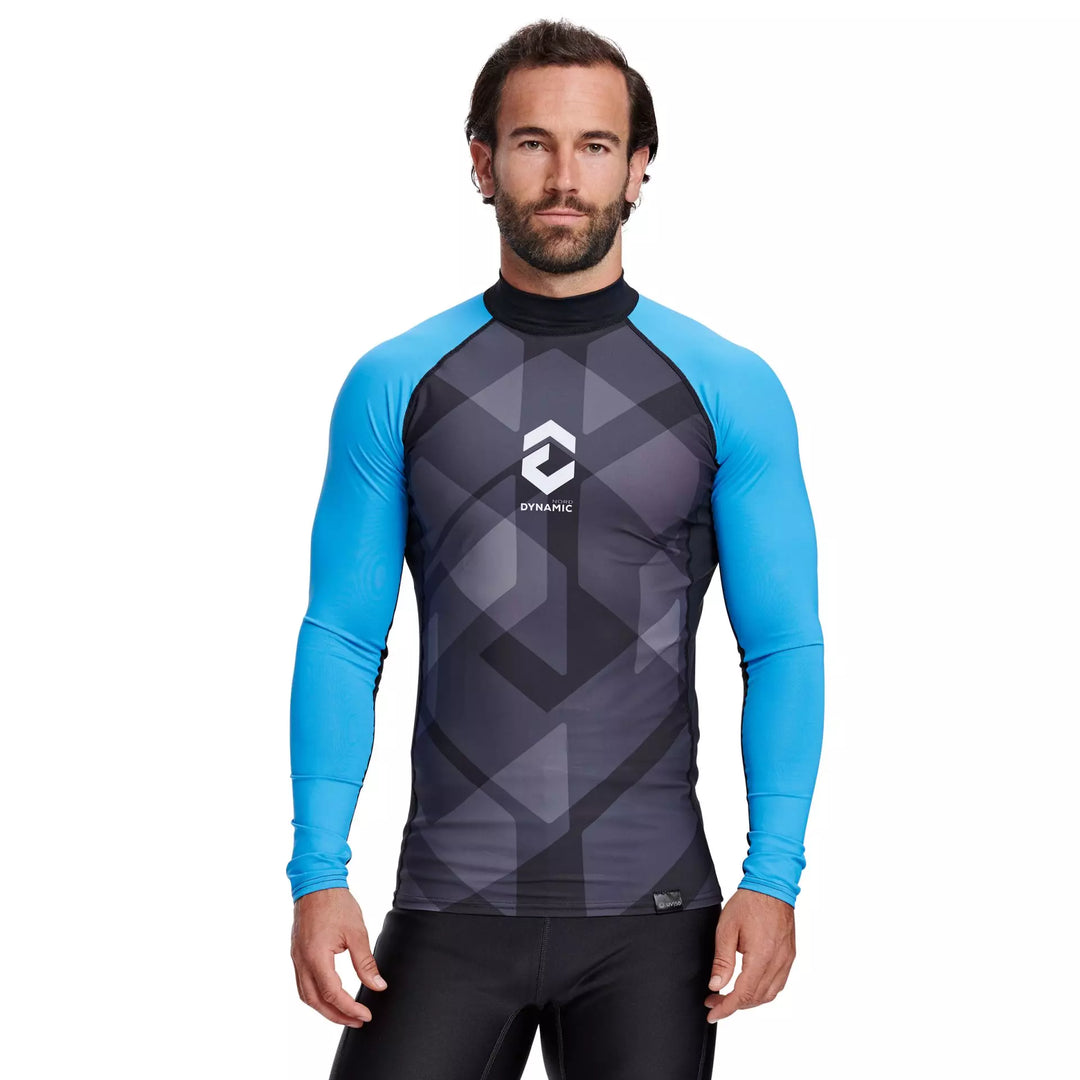
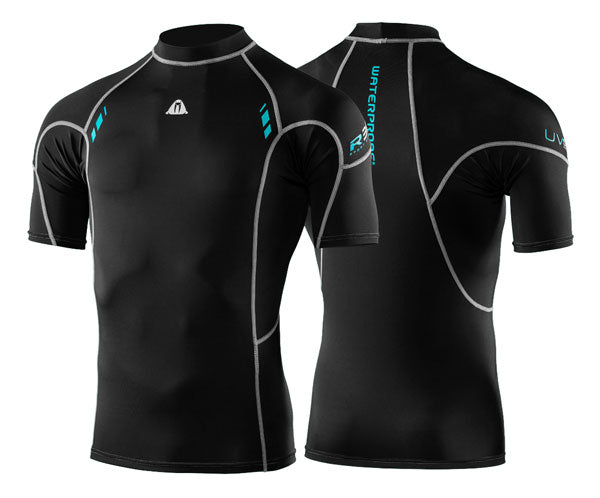
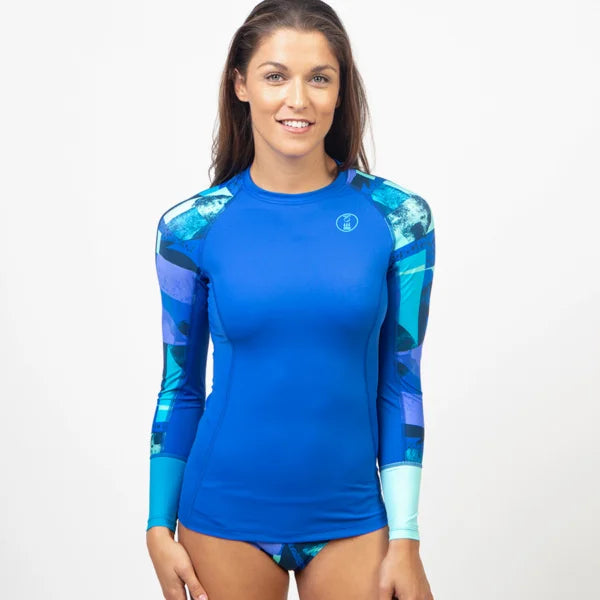
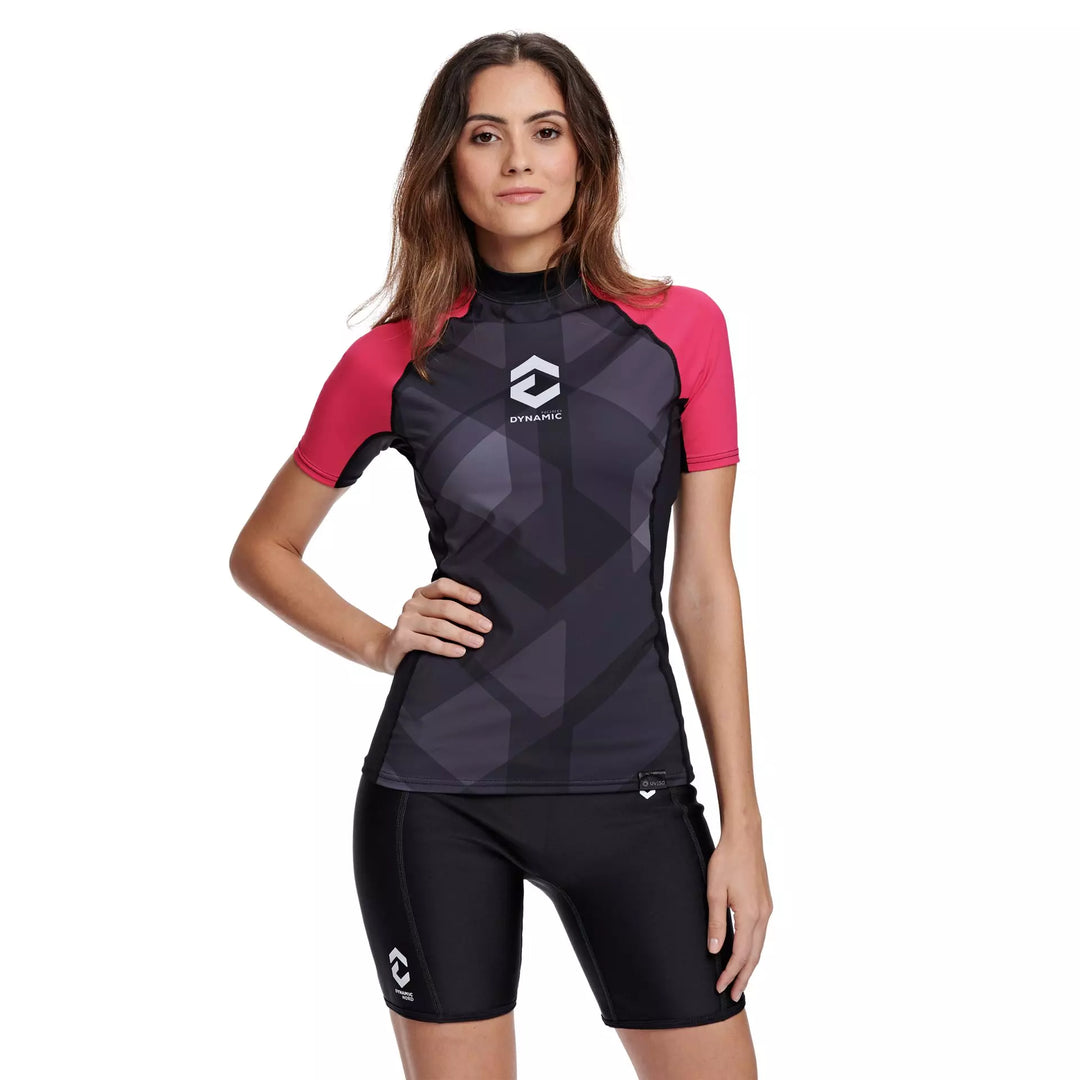
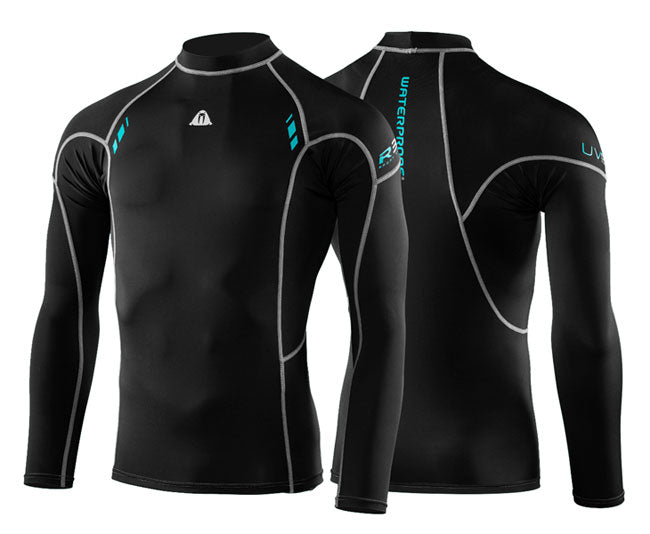
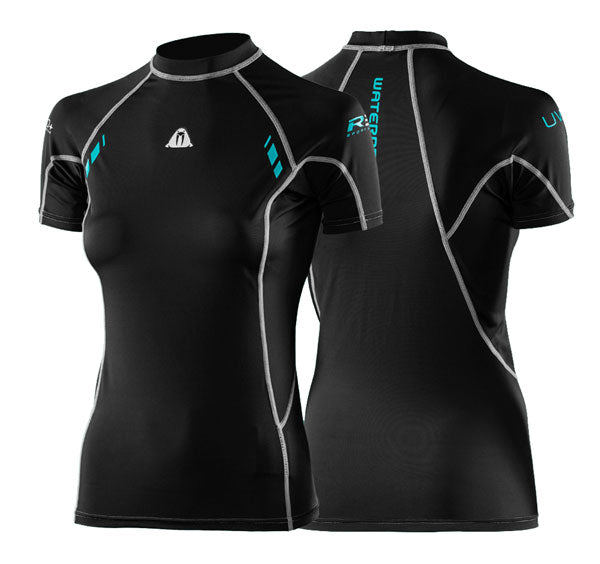
Both are normal. Under a wetsuit a skin layer reduces chafe at the neck and arms and makes the suit noticeably easier to pull on and off. On its own in genuinely warm water it gives you cover against abrasion, stings and the sun without the bulk of neoprene. What it is not is a replacement for proper exposure protection in cold water.
Some of the garments in this collection are designed as warmth layers and some are designed purely as rash and abrasion cover, and they are not the same product. Check the individual product page and the manufacturer specification before you assume either way. Whichever you choose, treat it as one layer in a system rather than as your exposure protection, and talk to us about what suits the diving you are planning.
It varies. Some manufacturers publish a sun protection rating for their fabric and some do not, so we will not quote a figure across the range. If a stated rating matters to you, check the manufacturer specification for the specific garment. And whatever the fabric does, it only covers the skin it covers, so keep the sun cream for everything else.
A skin layer works best close-fitting, so it does not bunch up under a wetsuit. Sizing is not consistent between brands, so use the size guide for the brand you are buying rather than assuming your usual size carries across. If you are between sizes or ordering for a suit you already own, call or email us and we will check it against the size chart.