

Heating Systems

Battery-powered heating for drysuit diving: heated undersuits and vests, heated gloves, batteries, thermovalves, and the connectors that join them together. We stock Santi and Ammonite System. Heating is an addition to correct thermal protection and correct training, never a replacement for either, and figures vary by product, so check the manufacturer specification and talk to us before you commit to any part of a system.

Diver on a boat wearing a heated undersuit before kitting up, cylinder and regulator alongside
  • Expert advice

    Talk to divers who use the kit we sell.

  • Servicing and repairs

    Regulators, cylinders, drysuits, BCDs and computer batteries.

  • Rutland dive centre

    A real shop in Oakham, with training and pool sessions.

  • UK delivery

    Posted across the UK. Ask about lead times on special orders.

Filter

    What a heating system is made of

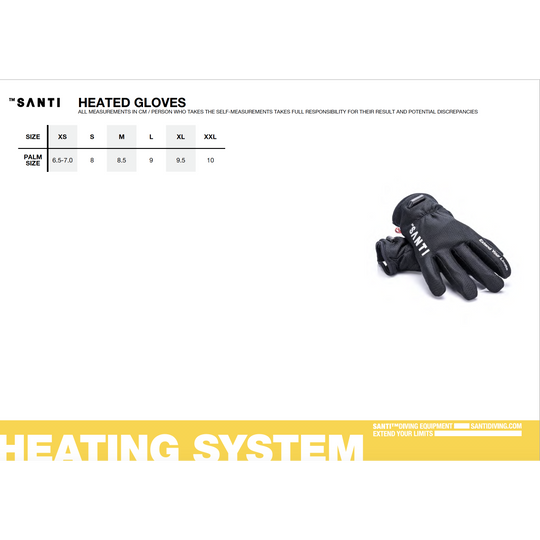
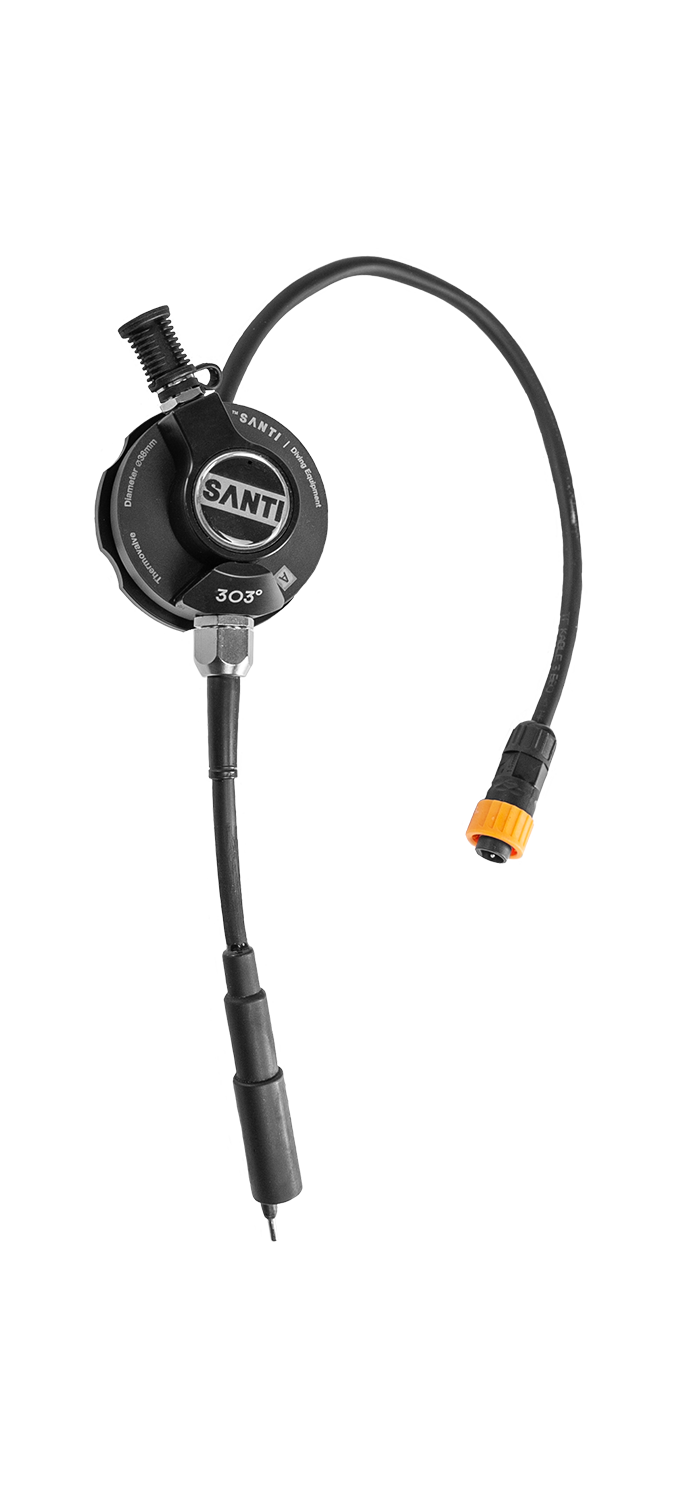
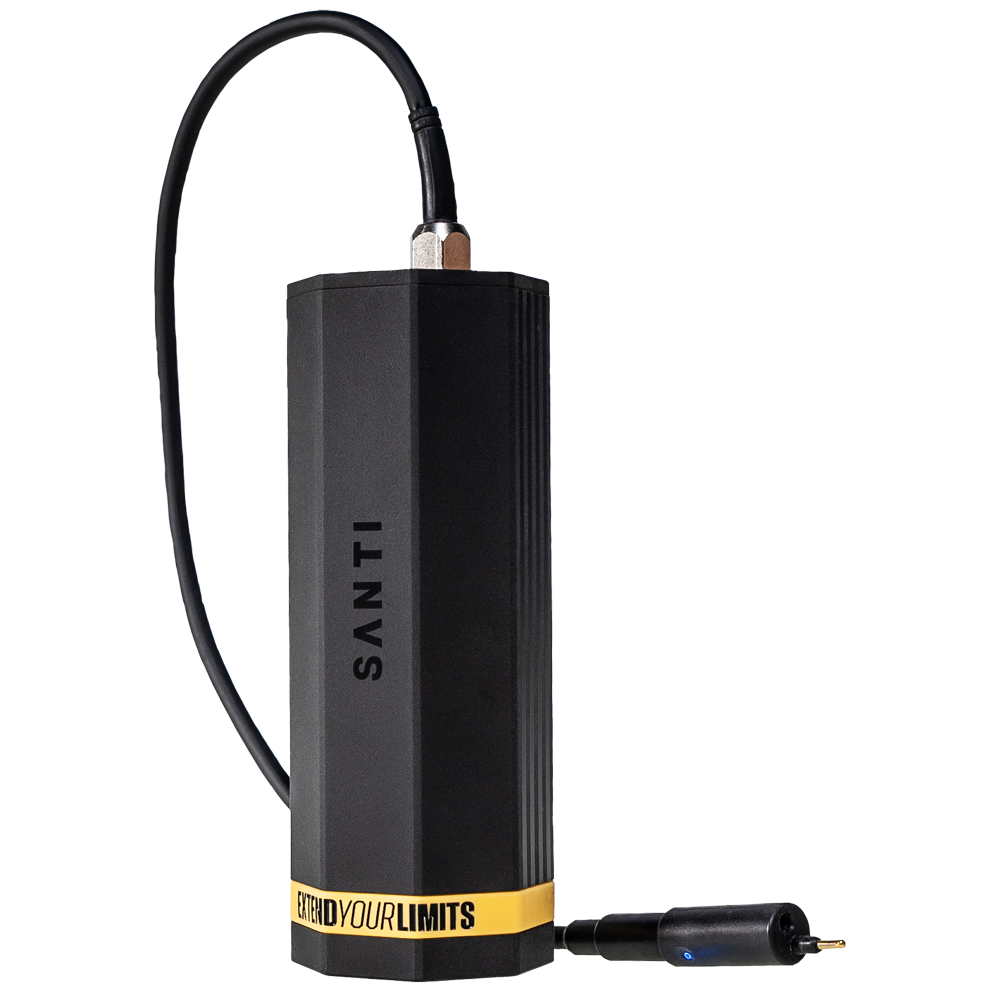
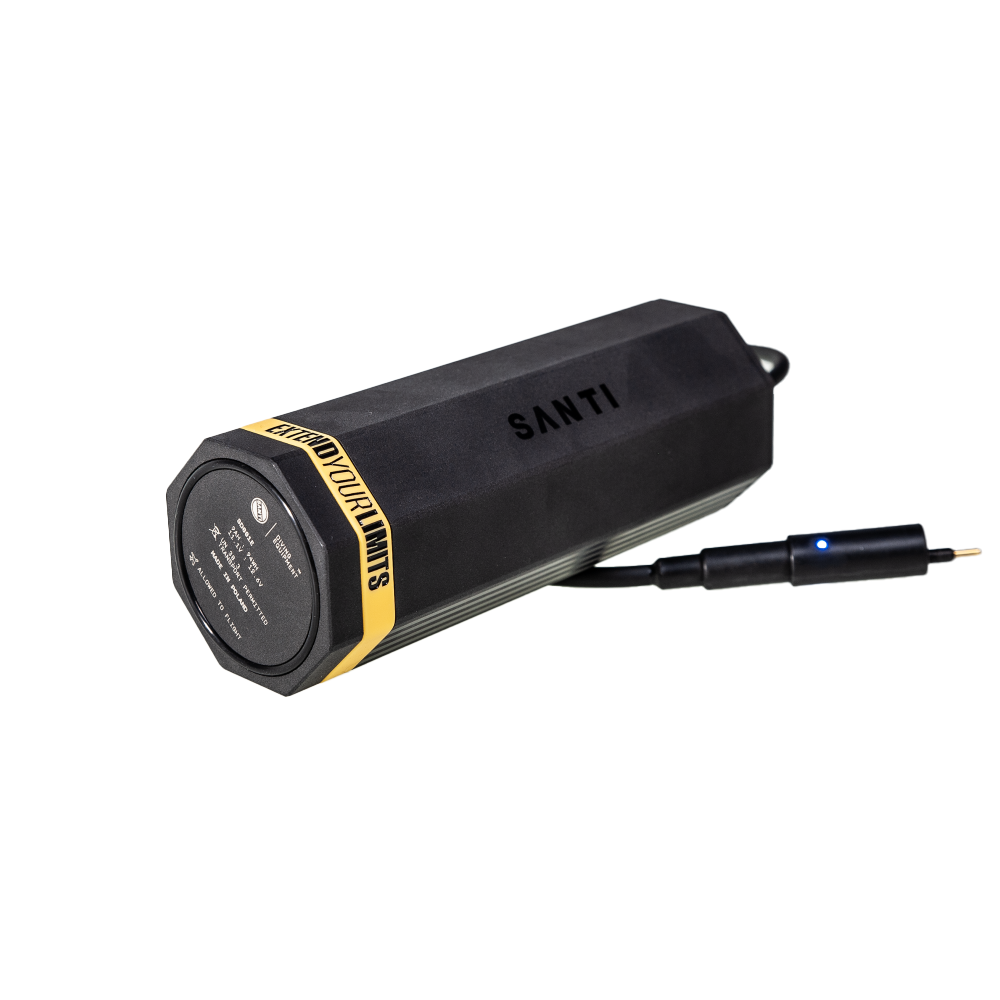
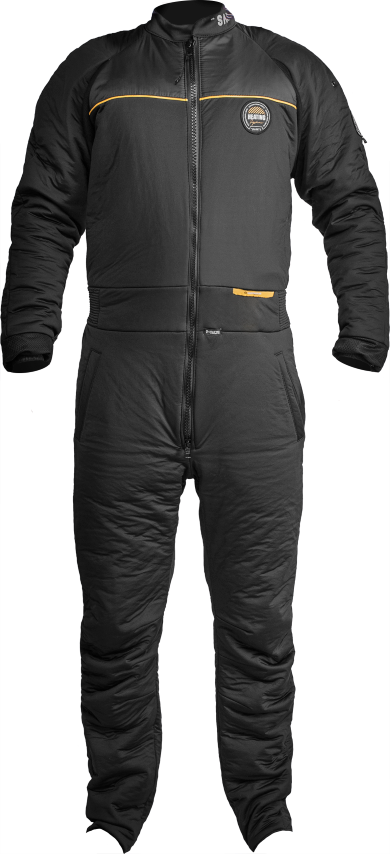
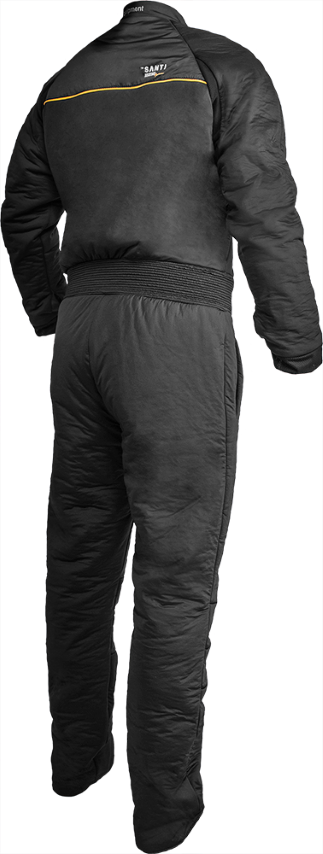
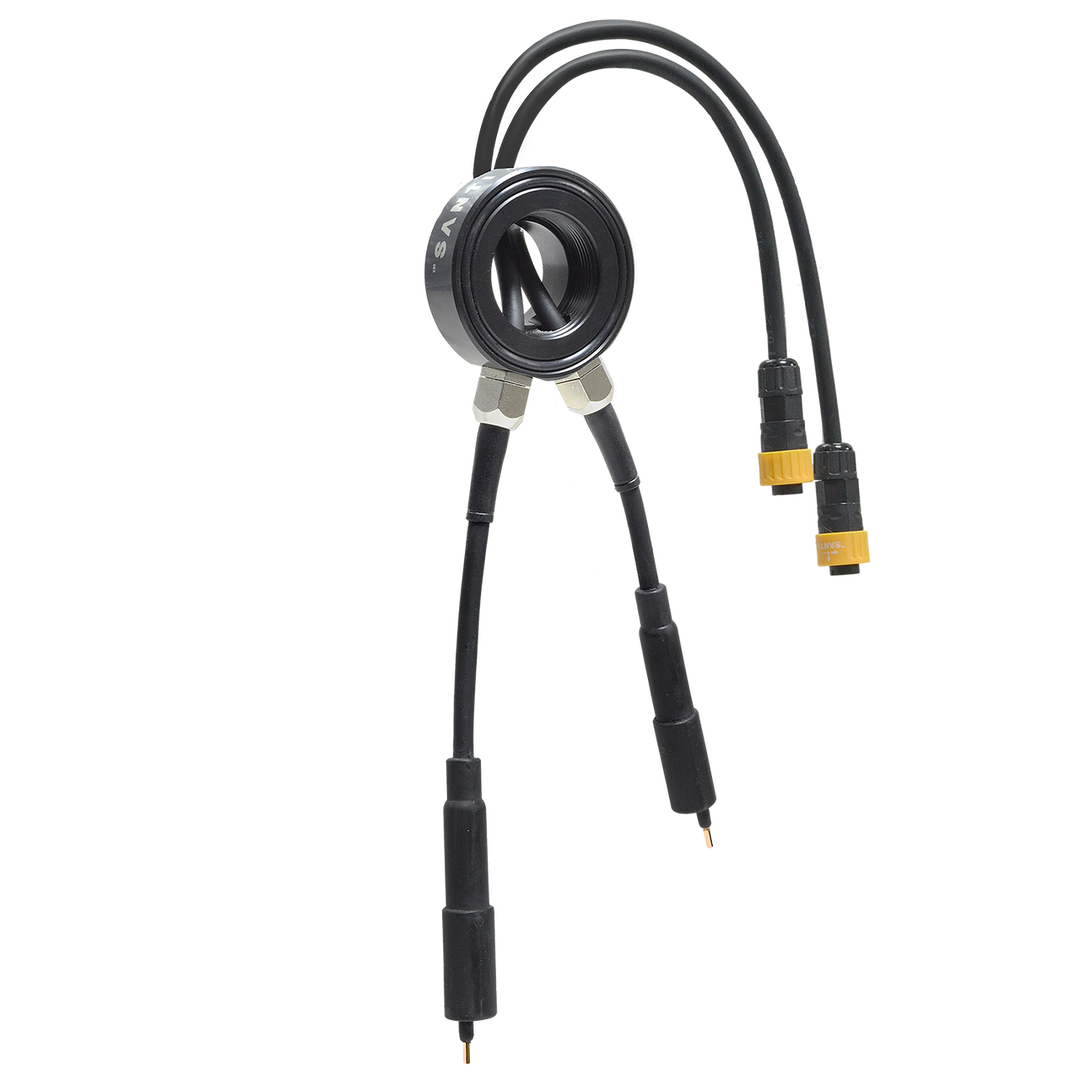
    Three things have to work together: the heated garment, a battery, and the means of getting power through the drysuit to reach it. On the garment side we stock the Santi BZ420X and Flex 2.0 heated undersuits, the Santi Heated Vest Flex 2.0 and Santi heated gloves. For power there are the Santi 9Ah and Blue Power batteries. Getting current through the suit means a thermovalve, either the Santi 303 or the Ammonite Thermovalve T360, plus the right connectors and cabling, such as the Santi double drysuit connector.

    Compatibility is the thing to get right

    Connectors, voltages, valve fittings and cable standards are not standardised across manufacturers, and a plug appearing to fit is not evidence that two parts belong together. Check the manufacturer specification for every part in the chain before you buy any of it. If you already own part of a system, tell us what you have and we will work through the rest with you rather than guessing.

    Heating is an addition, not a replacement

    We are not going to tell you that a heating system lets you dive colder, longer or in less insulation, because that is precisely the assumption that gets people into trouble. An electrically heated garment sits on top of a correctly fitting drysuit and a proper undersuit. Batteries run down, cables get pinched and connectors flood, and your plan has to survive that happening at the worst possible point in the dive. Dive the profile you could complete safely with the heat switched off. If heated kit is new to you, get training and supervision on it somewhere a failure would be an inconvenience rather than a serious problem, and read up on the signs of hypothermia while you are at it.

    What you will not find on this page

    Run times, power outputs and temperature figures. Those numbers belong to the manufacturer of the specific battery and garment you are buying, they change with the setting you use and the conditions on the day, and quoting a general figure across a range of brands would be misleading. Check the manufacturer specification for the exact parts, and talk to us about how you actually dive.

    Fitting, charging and care

    On most suits, fitting a thermovalve is a workshop job rather than a home one, so talk to us with the make and model before you order anything. Charge, store and transport batteries strictly according to the manufacturer's documentation, and if you are flying with them, check your airline's dangerous goods policy well before you travel rather than at the desk. Rinse external connectors after diving and keep them clean and capped.

    Start with the suit underneath

    If your drysuit or undersuit is not right, heating will not fix it. Get the base layer sorted first: see Undersuits and Drysuits, then come back to heating as the layer on top.

    Frequently asked questions

    We will not quote you a number, because the honest answer is that it depends on the battery, the garment, the setting you run it at and the conditions on the day, and because a figure that turns out to be wrong at depth is worse than no figure at all. Manufacturers publish their own run time data for their own combinations of battery and garment. Check the manufacturer specification for the exact parts you are considering, and plan your dive so that you are properly protected if the heat stops.
    No, and please do not assume it. Connectors, voltages, thermovalve fittings and cable standards vary between manufacturers, and mixing parts on the basis that the plug appears to fit is how people damage kit or worse. Check the manufacturer specification for every part in the chain, from the garment through the cable and thermovalve to the battery. If you are unsure, tell us what you already own and we will work through it with you.
    Yes. An electrically heated garment is an addition to a correctly fitting drysuit and undersuit, never a replacement for one. Batteries run down, connectors flood and cables fail, and when that happens the only thing between you and the water is the insulation you were already wearing. Plan and dive the profile you could complete safely with the heating switched off.
    Often it can, but it depends on the suit, its material and where the valve would sit, and on most suits it is a workshop job rather than something to attempt at home. Check the manufacturer specification for both the suit and the valve, then talk to us with the make and model and we will tell you what is involved.