



Boots and Shoes

Expert advice
Talk to divers who use the kit we sell.
Servicing and repairs
Regulators, cylinders, drysuits, BCDs and computer batteries.
Rutland dive centre
A real shop in Oakham, with training and pool sessions.
UK delivery
Posted across the UK. Ask about lead times on special orders.



Frequently asked questions
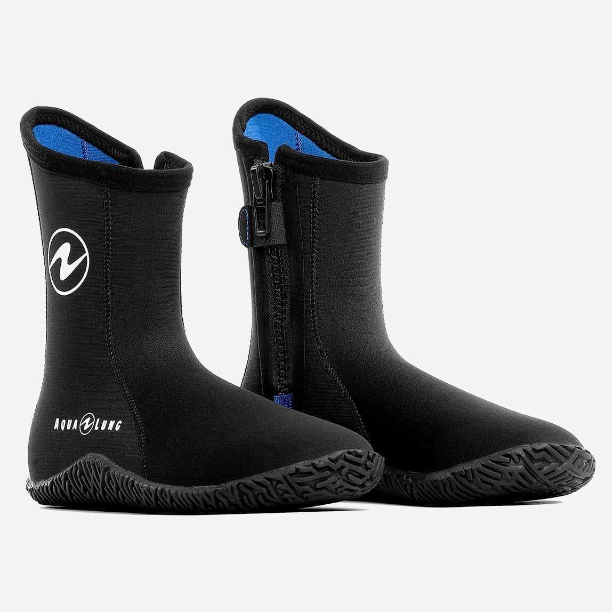
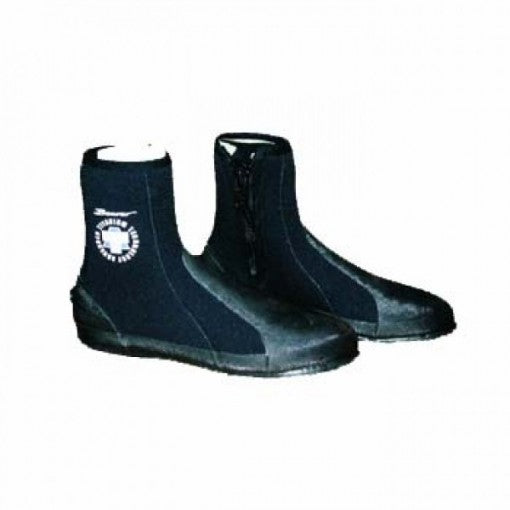
It depends on the fin. Open-heel fins are designed to be worn with a boot, and the boot is part of how the fin fits, so the two should be chosen together. Full-foot fins are worn on a bare foot and are not designed to take a boot. If you already own fins, bring them in or tell us the model, and size the boot with the fin rather than on its own.
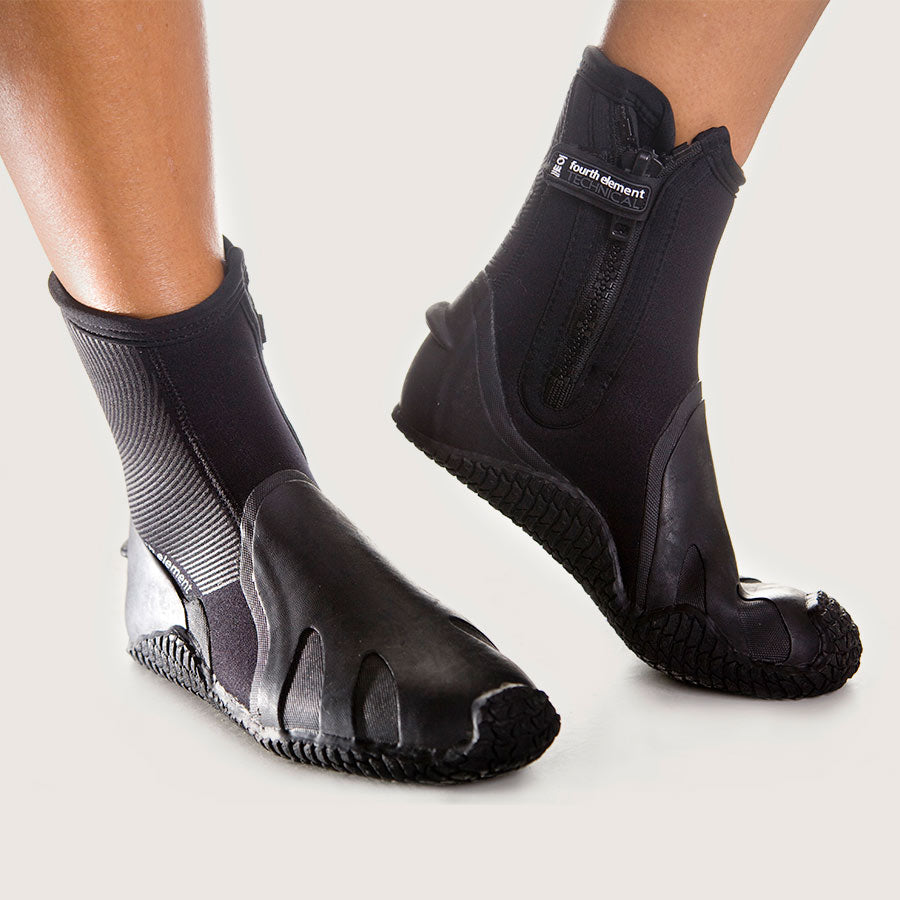
Sizing varies between manufacturers, so check the manufacturer specification rather than assuming your shoe size carries across brands. Try boots on with the socks you actually dive in, and with your fins if you have them. A boot should be snug without cramping your toes, and it should not lift off the heel when you walk, because that movement will be worse when you are finning.
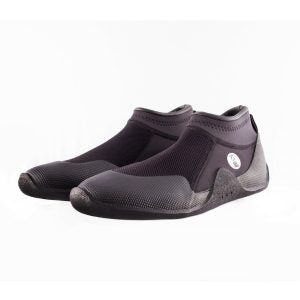
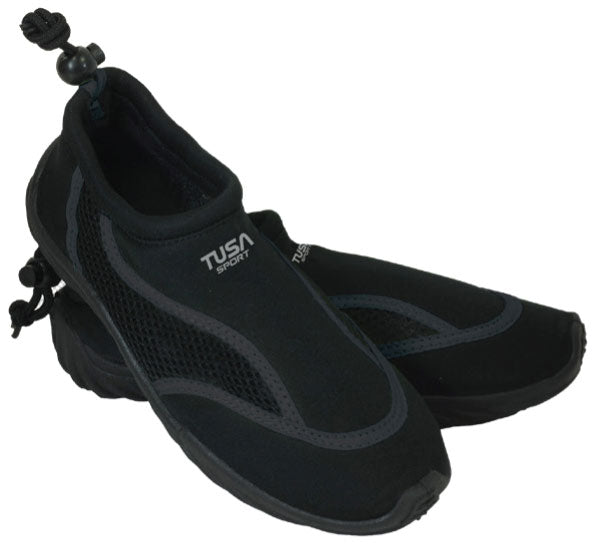
A dive boot is built to work with an open-heel fin and to give insulation and protection for diving, usually with a higher cut and a sole meant for walking over rough ground to the water. A water shoe is lighter and lower cut, designed for slipways, boat decks, beaches and rocky shores rather than for finning. Plenty of divers own both and use them for different parts of the same day.
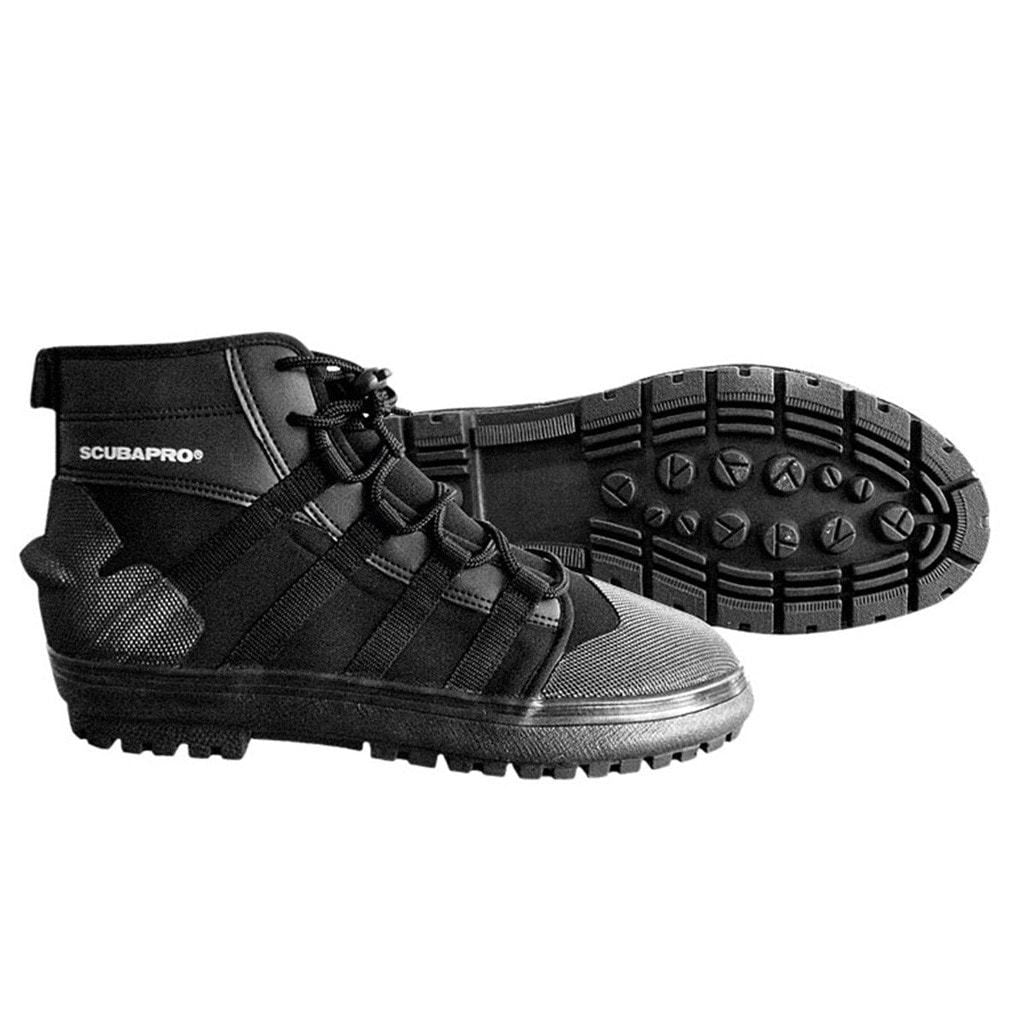
If your drysuit has soft neoprene or fabric socks rather than an attached hard boot, then yes, you will need a rock boot worn over the sock to walk in and to hold the fin. Sizing has to allow for the sock and whatever undersuit layer runs into it, so a rock boot is usually larger than your normal shoe size. Tell us which suit you dive and we will help you get the sizing right.