


Dive Bags Guide: Types, Top Brands & How to Choose the Right One
A good dive bag does more than just carry your kit — it protects your equipment, keeps everything organised, and makes travelling to and from dive sites far easier. With so many styles available, choosing the right dive bag can significantly improve your overall diving experience.
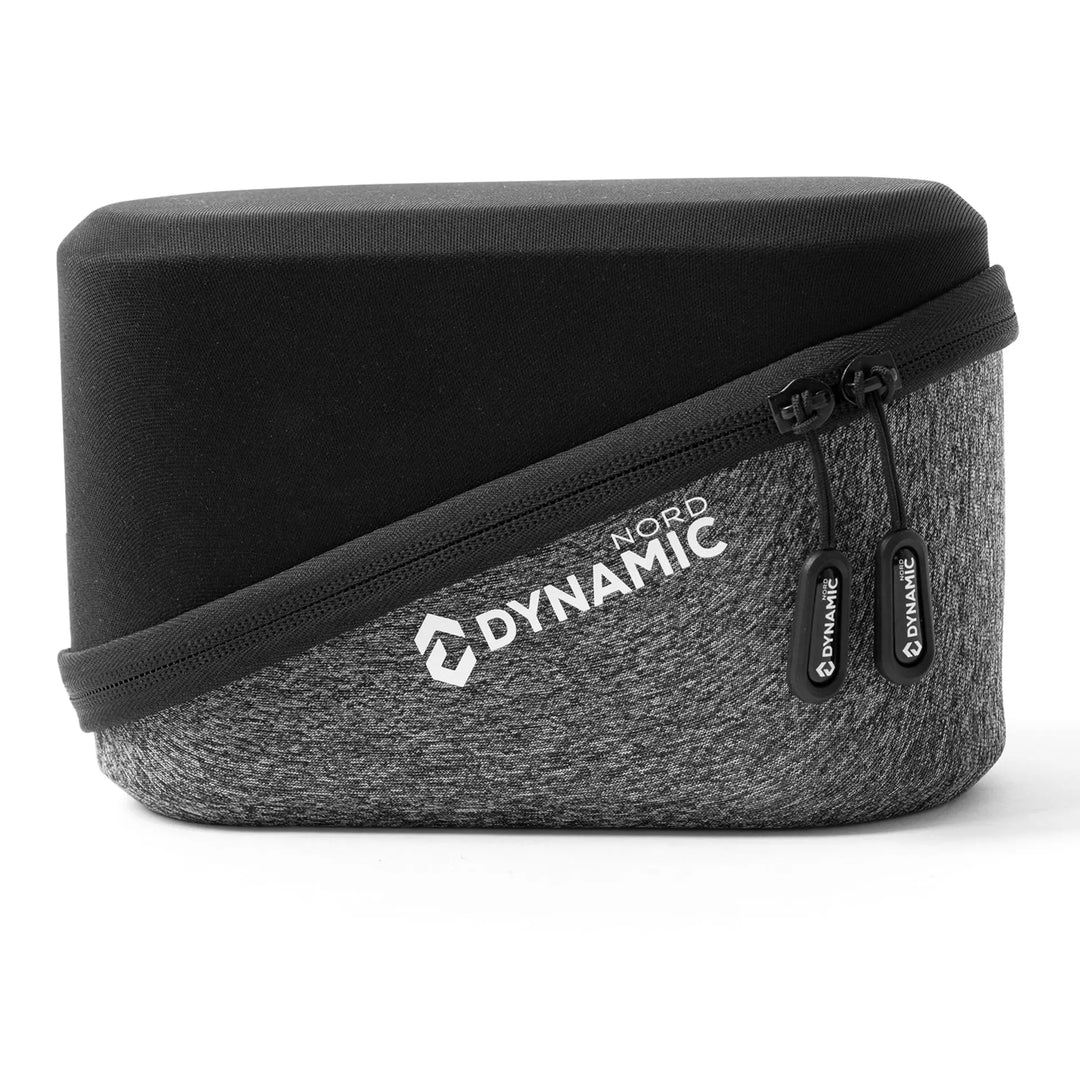
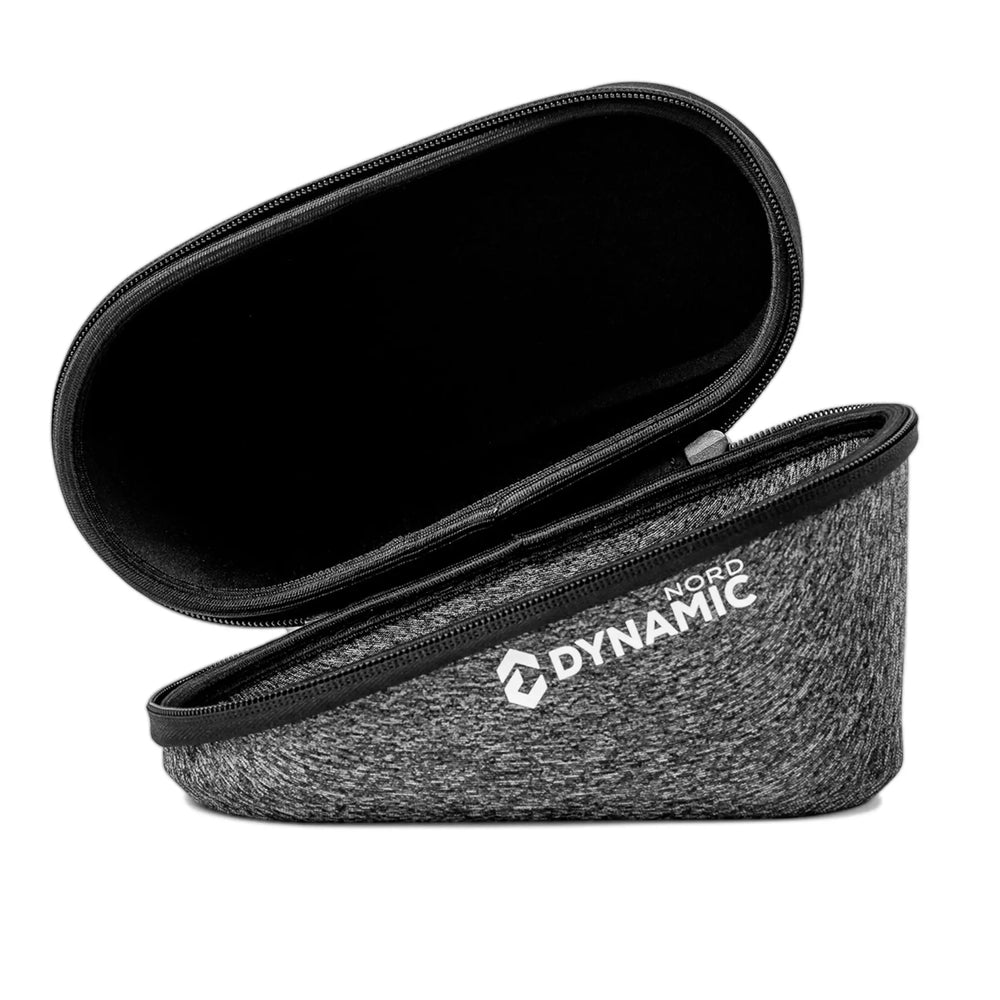
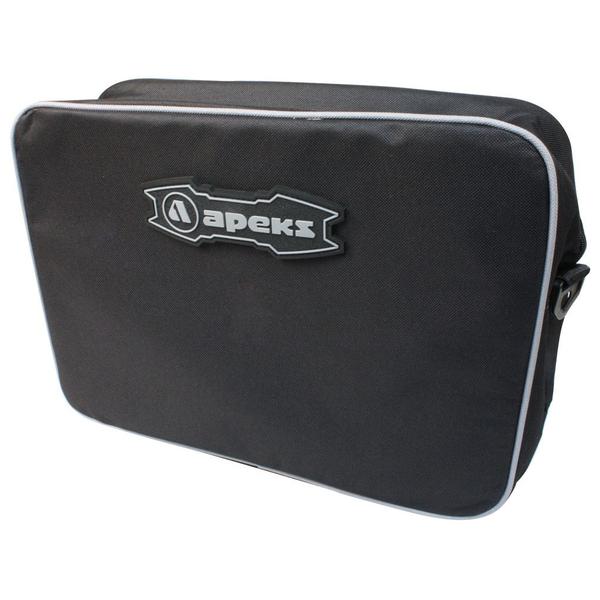
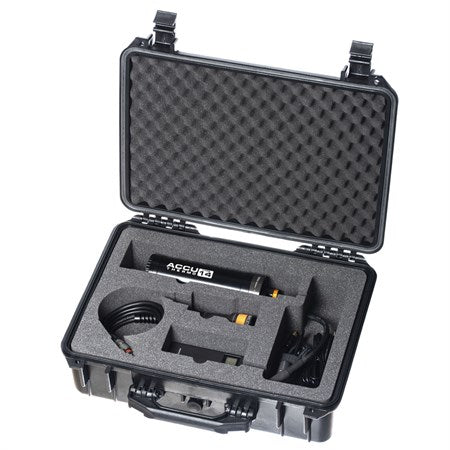
At Dive Rutland, we stock and use dive bags from trusted brands such as Apeks, DynamicNord, Fourth Element, and Mares, selecting them for their durability, practical design, and suitability for real-world diving.
Below is a guide to the main types of dive bags and how to decide which is right for you.
Duffel Dive Bags
Duffel bags are a popular choice for divers who want maximum space and flexibility. They usually feature a large main compartment capable of holding bulky items such as wetsuits, BCDs, fins, and regulators.
Many dive duffels include internal pockets or end compartments to help keep smaller items organised. Their simple, robust design makes them ideal for divers who want a no-nonsense bag that can handle a full kit without complication.
Best for:
Divers carrying a lot of equipment who want a straightforward, spacious solution.
Roller Dive Bags
Roller bags are designed with travel in mind, making them ideal for dive trips involving airports, ferries, or long walks across car parks. With durable wheels and a retractable handle, they allow you to transport heavy dive gear with minimal effort.
Most roller dive bags offer multiple compartments, helping separate wet and dry gear and keep everything accessible. They’re a favourite among divers travelling abroad or carrying full cold-water setups.
Best for:
Frequent travellers and divers carrying heavier or larger kits.
Dive Backpacks
Dive backpacks are ideal for divers who need mobility and hands-free transport, particularly when accessing shore dives, quarries, or remote locations. They typically feature padded shoulder straps and supportive back panels for comfort over longer distances.
Available in a range of sizes, from compact day packs to larger full-kit backpacks, they are a versatile option for both travel and local diving.
Best for:
Shore divers, instructors, and anyone who values flexibility and ease of movement.
Mesh Dive Bags
Mesh bags are lightweight, breathable, and designed specifically for wet gear. Their open construction allows water to drain and air to circulate, helping equipment dry more quickly and reducing the risk of odours or mildew.
They are perfect for fins, masks, wetsuits, and snorkelling gear, and are easy to fold away when not in use.
Best for:
Boat diving, pool sessions, or transporting wet kit after a dive.
Dry Bags
Dry bags are designed to keep contents completely dry, making them invaluable on boats or in wet environments. Made from waterproof materials with roll-top seals, they protect clothing, electronics, and personal items from water ingress.
They are available in sizes ranging from small accessory bags to large duffel-style dry bags capable of carrying dive equipment.
Best for:
Boat diving, kayaking, RIBs, and protecting valuables from water.
How to Choose the Right Dive Bag
When selecting a dive bag, consider:
-
How much equipment you need to carry
-
Whether you travel frequently or dive locally
-
How far you need to carry your kit
-
Whether you need wet gear ventilation or waterproof protection
There’s no single “best” dive bag — only the one that best suits your diving style and environment.
If you’re unsure which option is right for you, speak to the team at Dive Rutland. We use the bags we sell and are always happy to help you choose the right one for your diving adventures.