

Fins

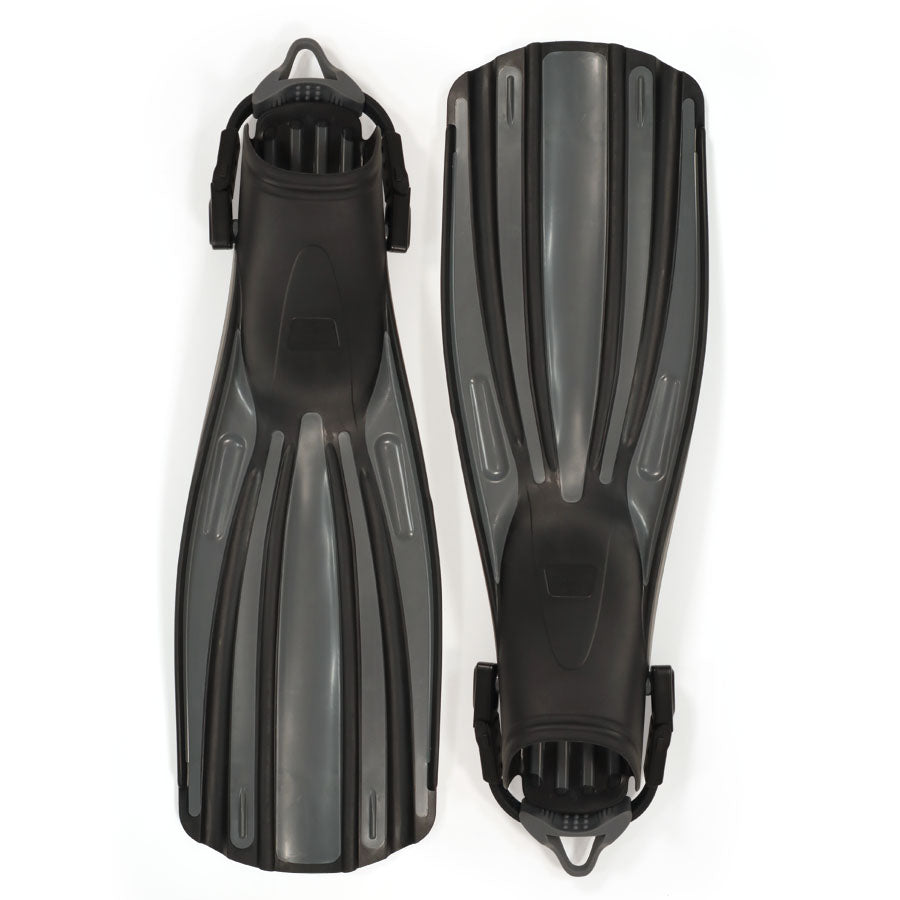
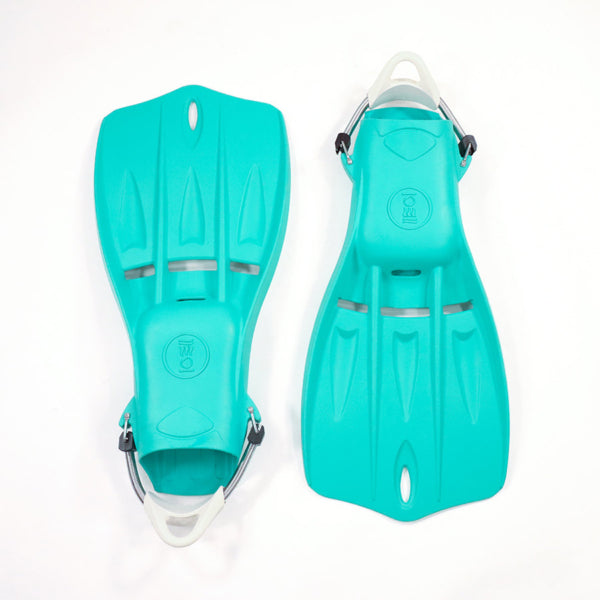
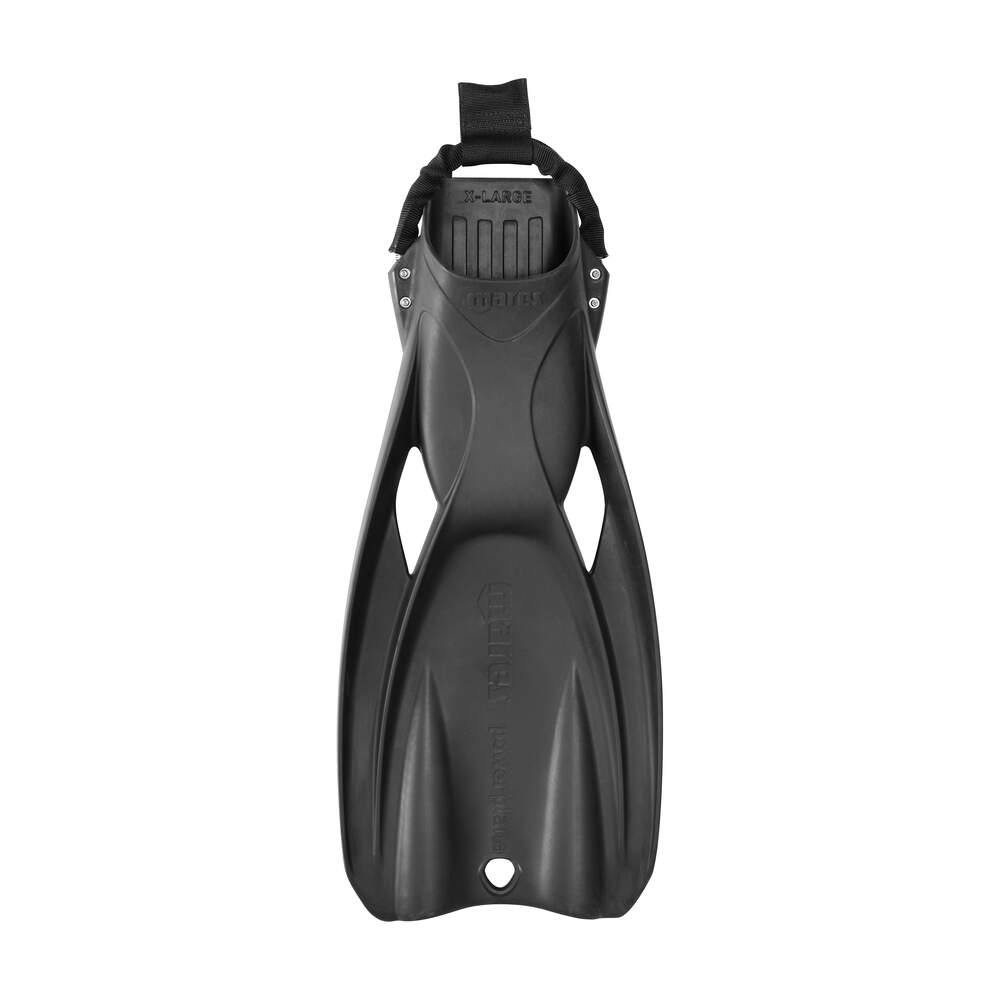
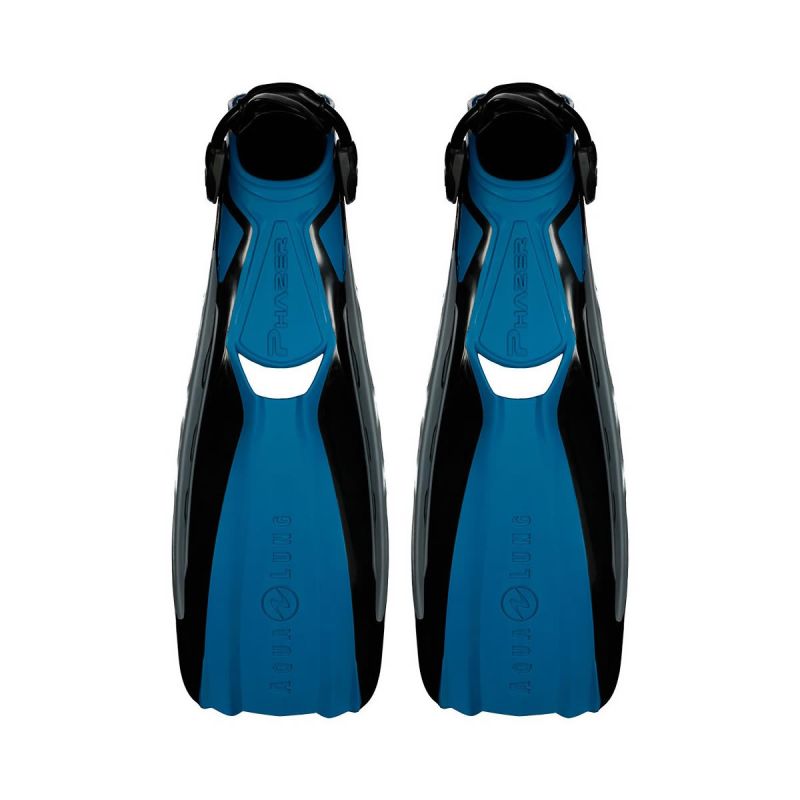
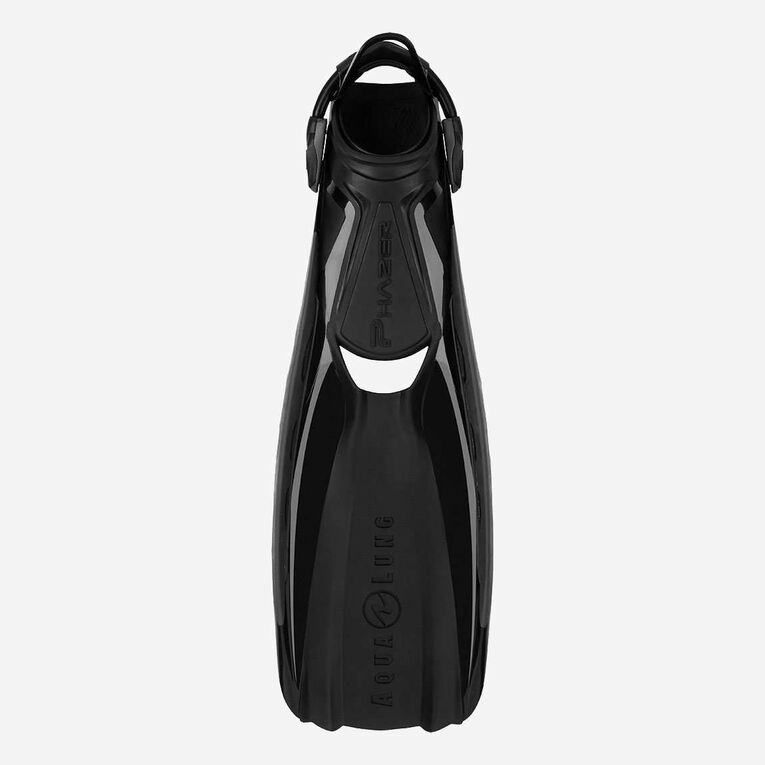
Fins decide how hard you have to work. The right pair reduces leg fatigue and cramp and gives you control; the wrong pair makes every dive tiring. For UK diving that usually means open-heel fins worn over boots. We stock Apeks, Aqualung, DynamicNord, Fourth Element, Halcyon, Mares and XDEEP. Try them on with the boots you actually dive.

Diver finning underwater in open-heel fins
  • Expert advice

    Talk to divers who use the kit we sell.

  • Servicing and repairs

    Regulators, cylinders, drysuits, BCDs and computer batteries.

  • Rutland dive centre

    A real shop in Oakham, with training and pool sessions.

  • UK delivery

    Posted across the UK. Ask about lead times on special orders.
Filter
    Sold Out
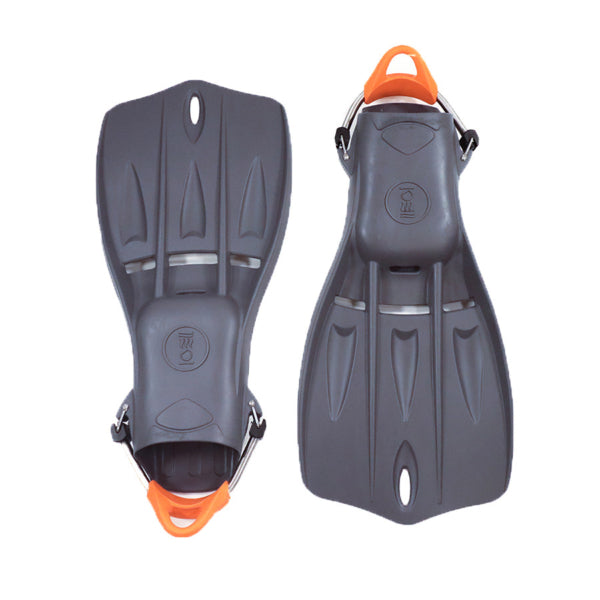
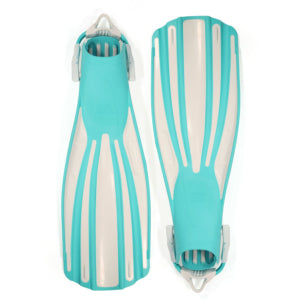
    Apeks RK4 Orange Fins | Dive Rutland
    Apeks RK4
    Apeks
    £176.00

    Choosing the correct fins

    Selecting the right fins plays a key role in comfort, efficiency and enjoyment underwater. Well-chosen fins reduce leg fatigue and cramping, improve propulsion, and let you move smoothly and precisely through the water.

    Open-heel or full-foot

    Open-heel fins are worn with dive boots and are the usual choice for UK and cold-water diving. Adjustable straps give a secure fit, and the boots add insulation and protection getting in and out of the water.

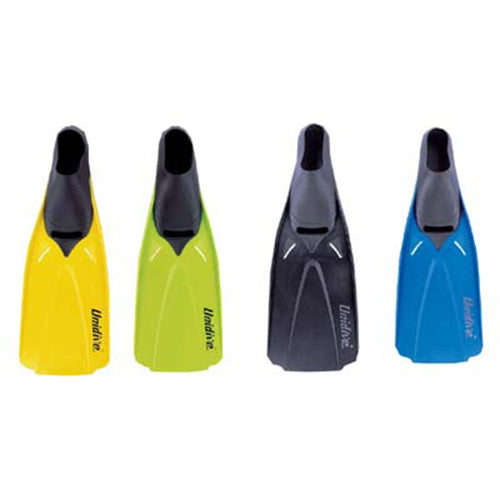
    Full-foot fins are lighter and more compact, suiting warm water and travel. They are worn without boots and are popular for holiday diving and snorkelling.

    Blade, stiffness and materials

    • Larger blades generate more power, useful in current or with heavier equipment
    • Smaller or more flexible blades improve efficiency and reduce leg strain on longer dives
    • Stiffer fins deliver more thrust but ask more of your legs and your technique
    • Softer fins are easier to kick and are often preferred by newer divers

    Materials range from plastic, which is light and cost-effective, through rubber, which is durable and favoured by many technical and cold-water divers, to composite and carbon blades, which are efficient and responsive at a higher price point.

    Fit, and what to ask yourself

    Fins should feel snug without pressure points or restricting circulation. Your toes should move comfortably and the fin should stay put through a kick cycle without slipping. Quick-release or spring straps, adjustable buckles and ergonomic foot pockets all make fins easier to get on and off, which matters most from a boat or in cold conditions.

    Before choosing, think about what diving you are doing, whether it is cold or warm water, and whether you value power or efficiency more. Then try them on, ideally with the boots you intend to dive in. Our team are always happy to help you find the right pair.

    Frequently asked questions

    Open-heel, in almost every case. They are worn over dive boots, which you want in UK water anyway for warmth and for walking over rock and shingle to the entry point.

    Full-foot fins make sense for warm-water holidays and snorkelling, where the lack of boots is an advantage and packing weight matters.
    Size them with the boots you dive in, not with bare feet or trainers. A 5mm boot and a 7mm boot are not the same fin size, and drysuit rock boots are different again.

    Bring your boots when you come in. If you are buying both together, we will fit them as a pair, which is the only way to be sure.
    Stiffer fins give more thrust per kick but ask more of your legs and reward good technique. Softer fins are easier to kick and cause less fatigue over a long dive.

    If you are newer to diving, or you get leg cramp, softer is usually the kinder choice. If you dive in current, carry twins, or want precise control for frog kick and back kick, stiffer tends to win. It is worth telling us which of those describes your diving.