
SMB & Lifting Bags

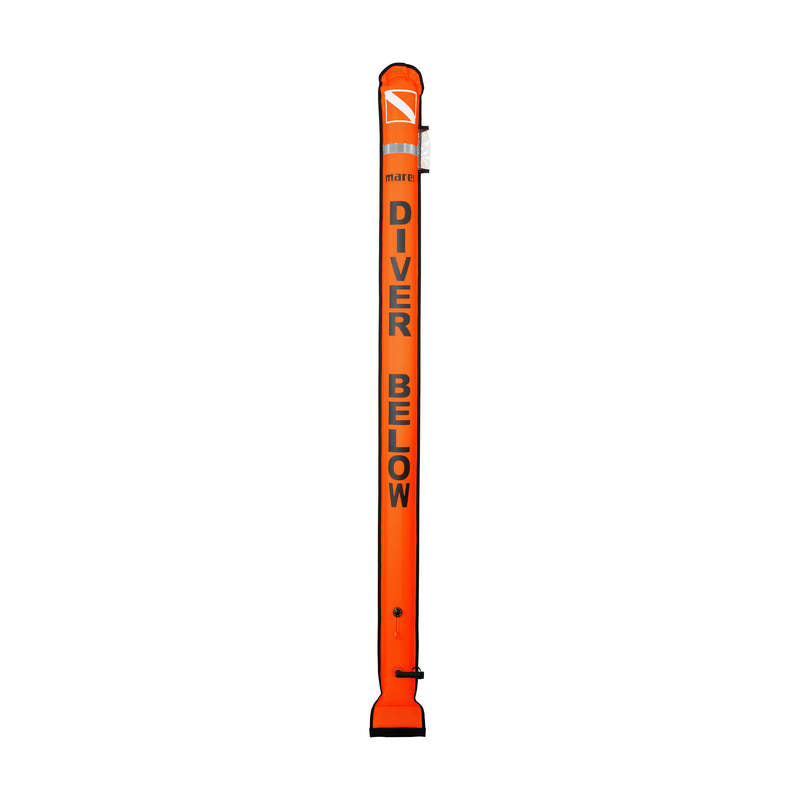
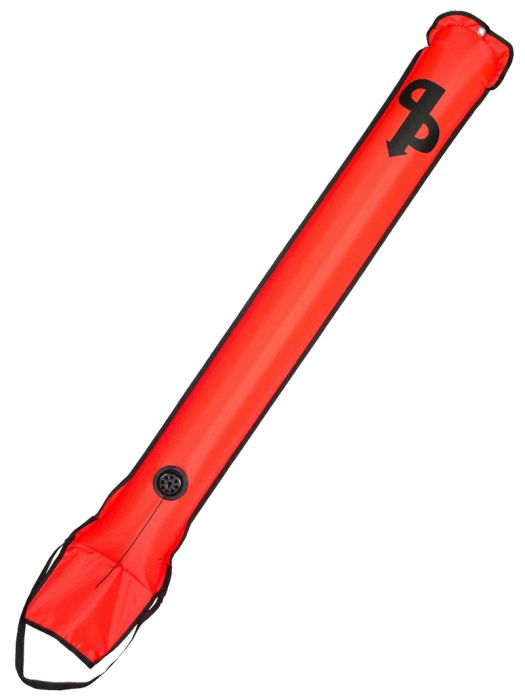
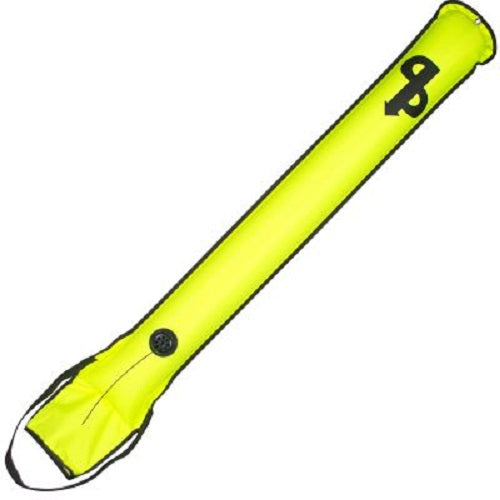
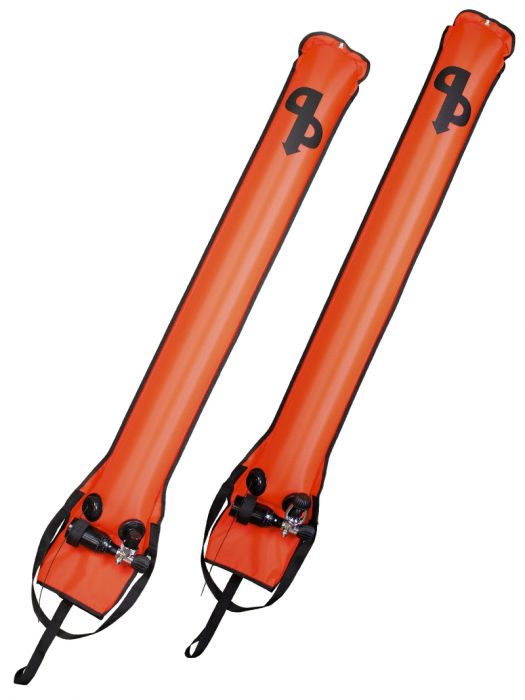
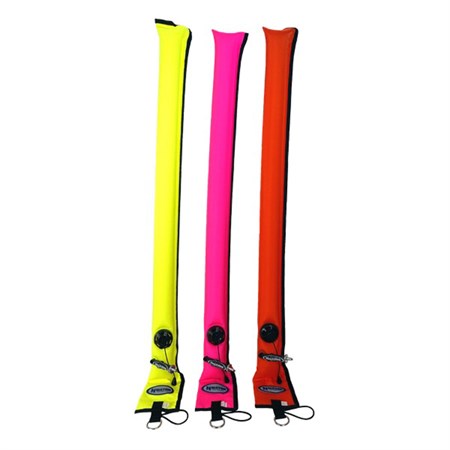
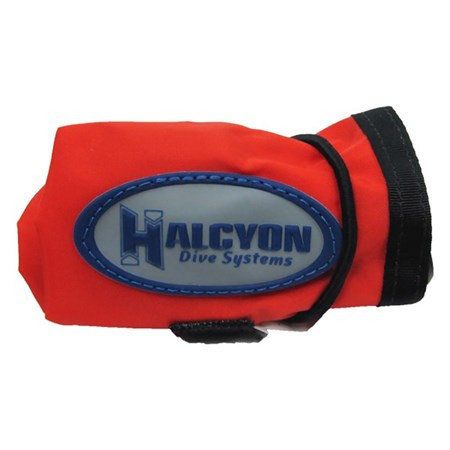
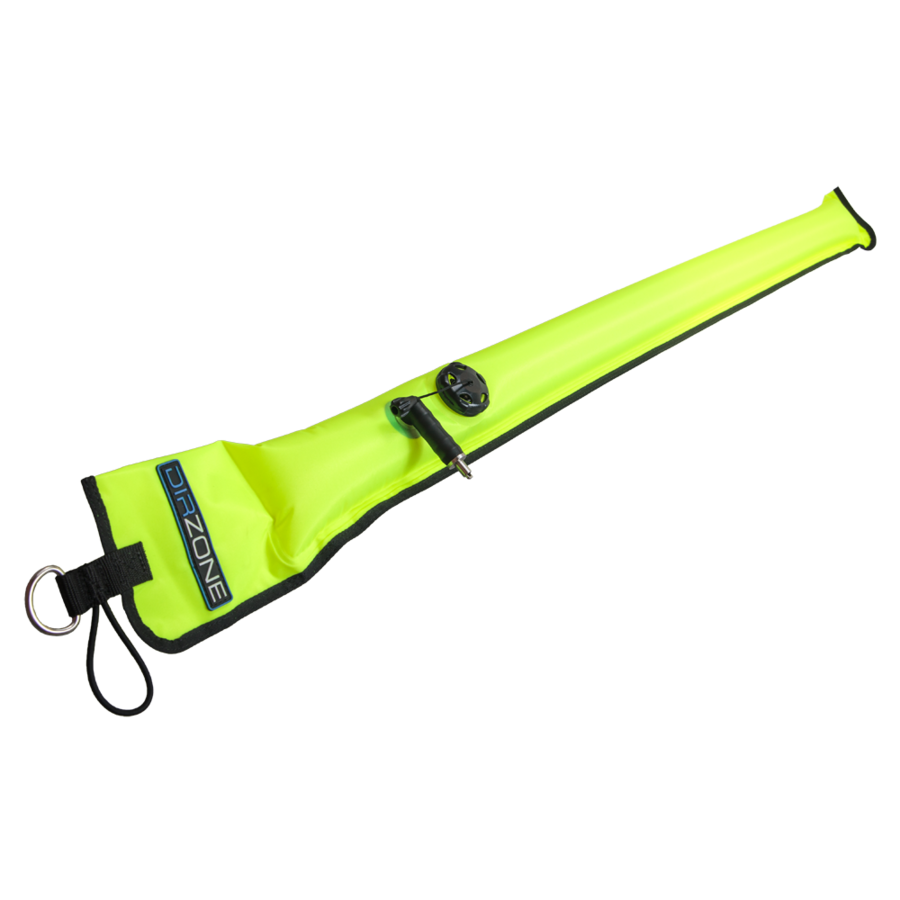
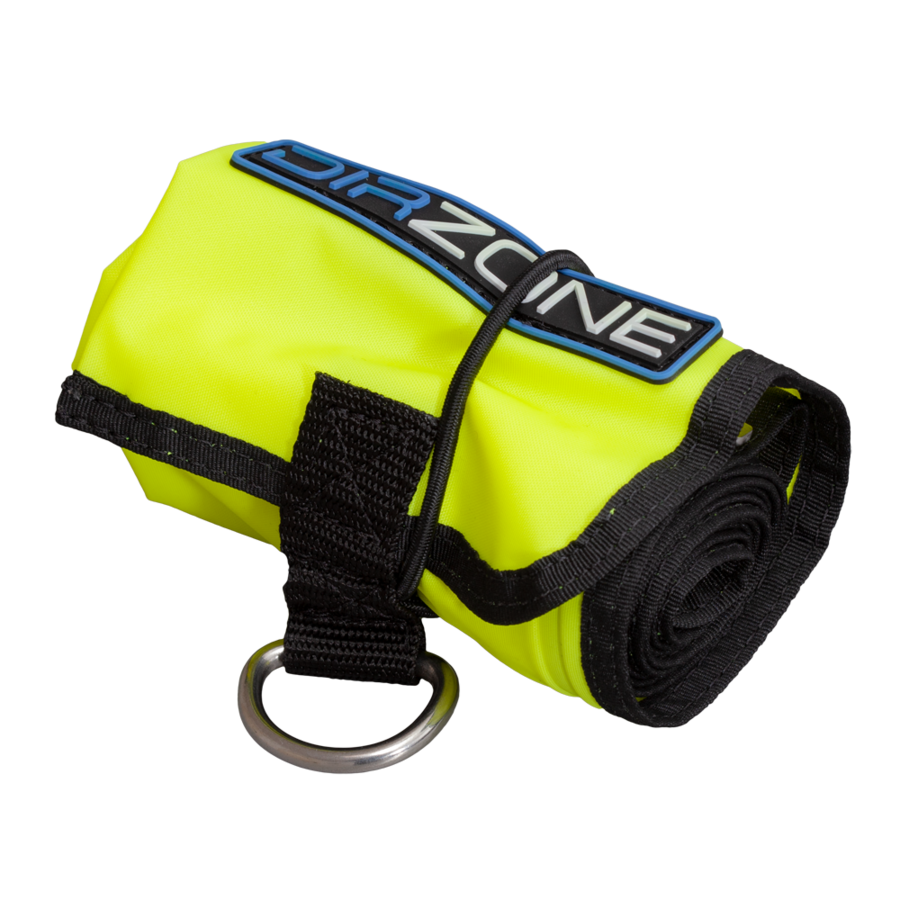
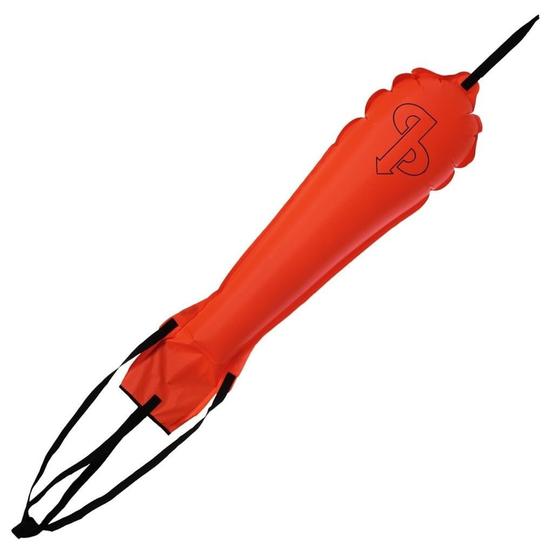
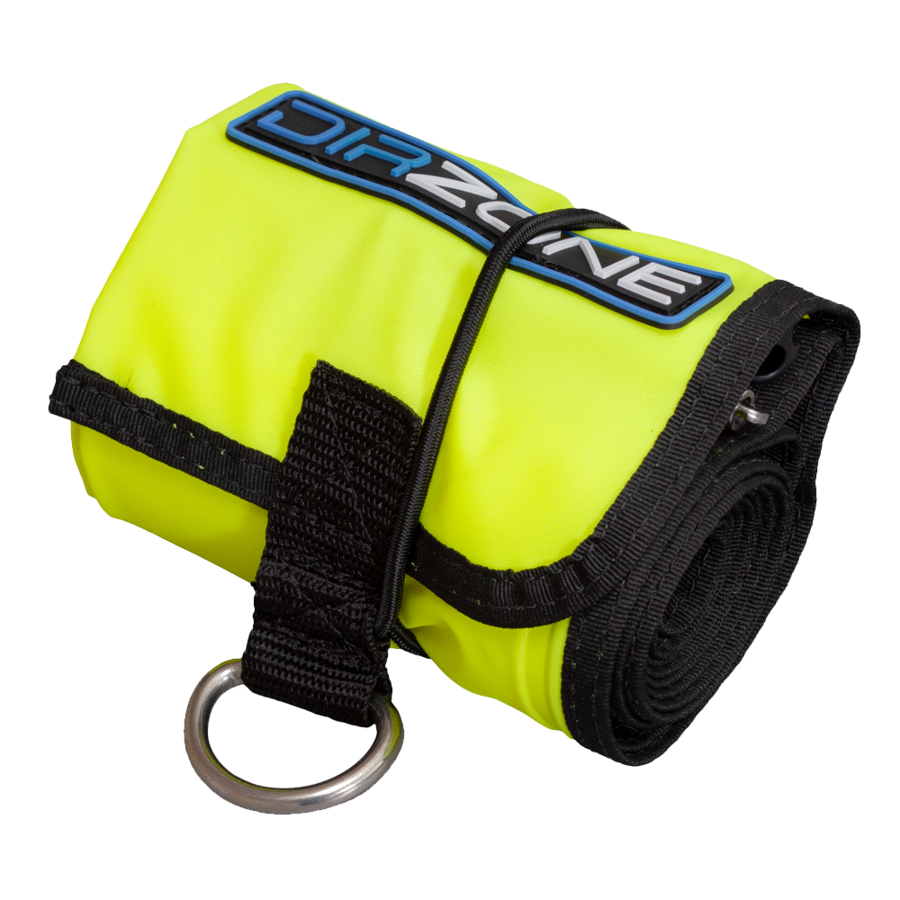
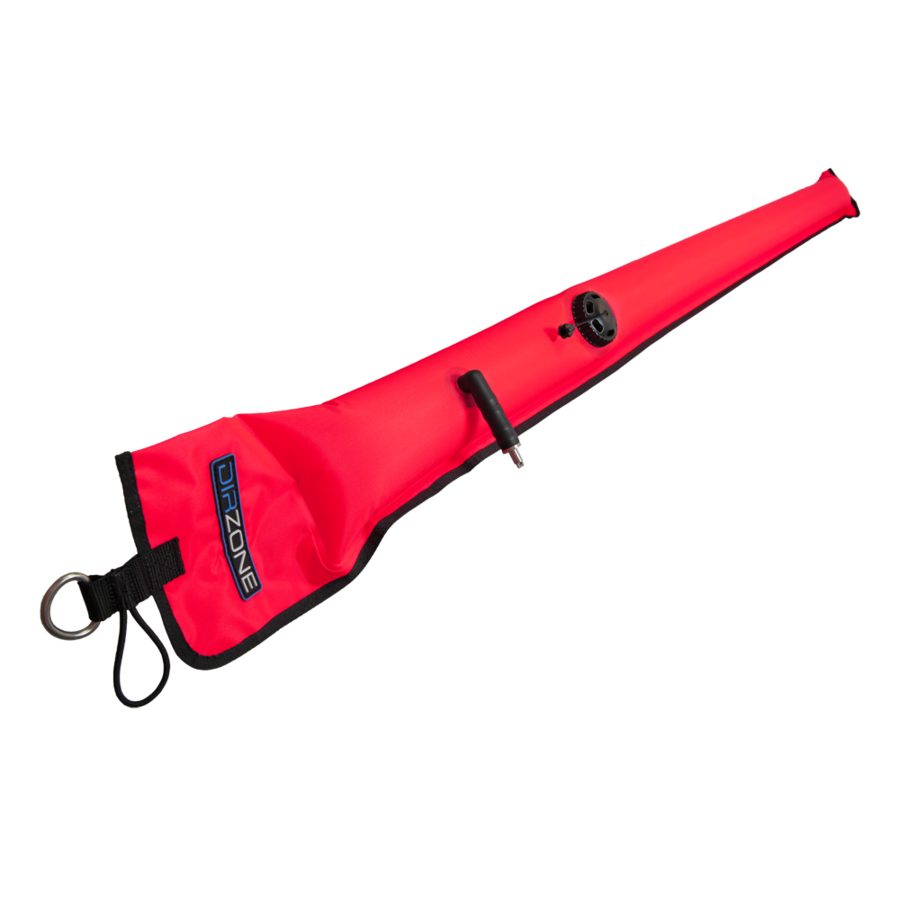
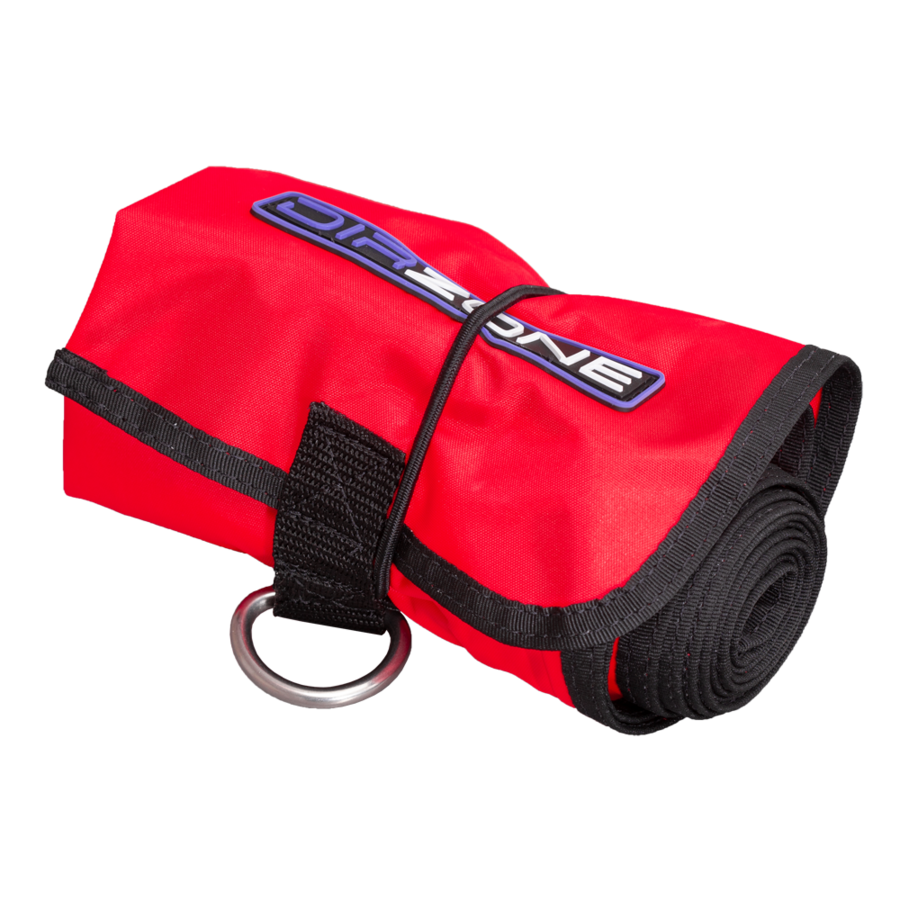
At Dive Rutland we treat surface marker buoys as core safety equipment, not optional extras. The range covers compact delayed SMBs that stow in a pocket, larger high-visibility markers for open water and poor visibility, and lifting bags for controlled recovery work. Everything here is chosen by divers who use this kit themselves, for reliability and real-world performance rather than how it reads on paper.

Diver underwater deploying an Halcyon SMB
  • Expert advice

    Talk to divers who use the kit we sell.

  • Servicing and repairs

    Regulators, cylinders, drysuits, BCDs and computer batteries.

  • Rutland dive centre

    A real shop in Oakham, with training and pool sessions.

  • UK delivery

    Posted across the UK. Ask about lead times on special orders.

Filter

    Core safety equipment, not an optional extra

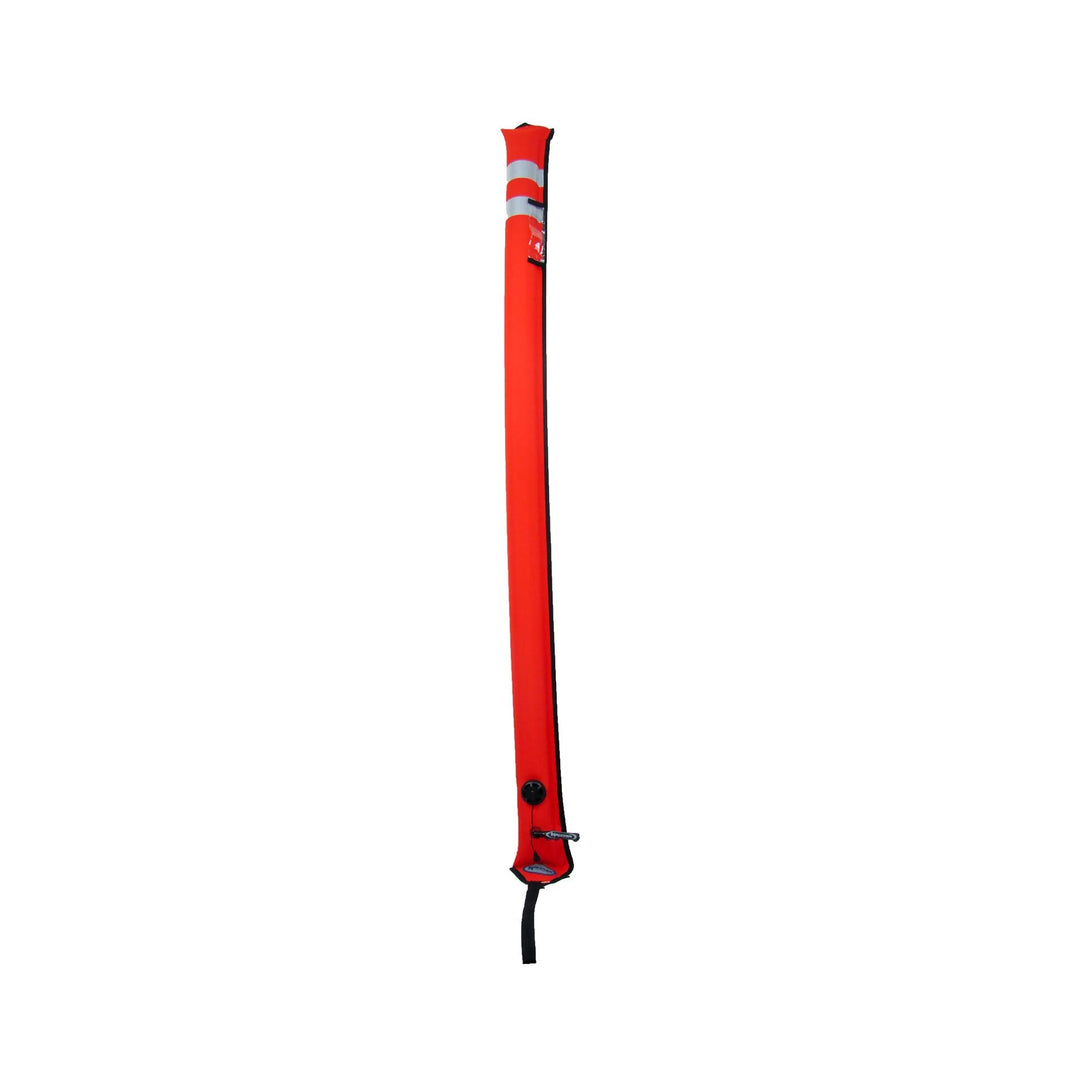
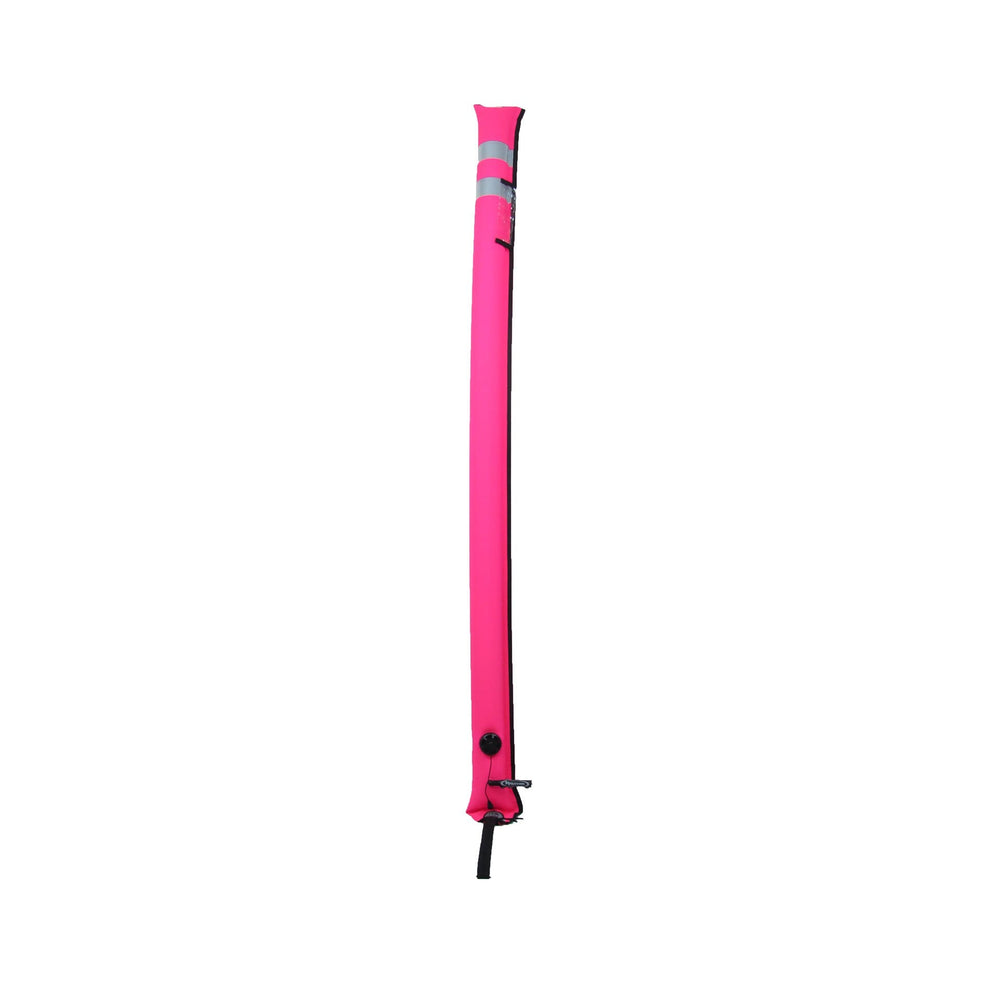
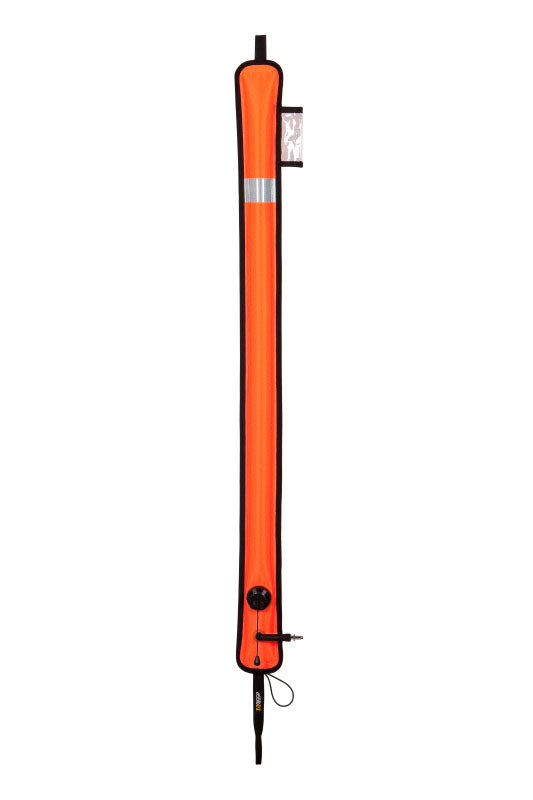
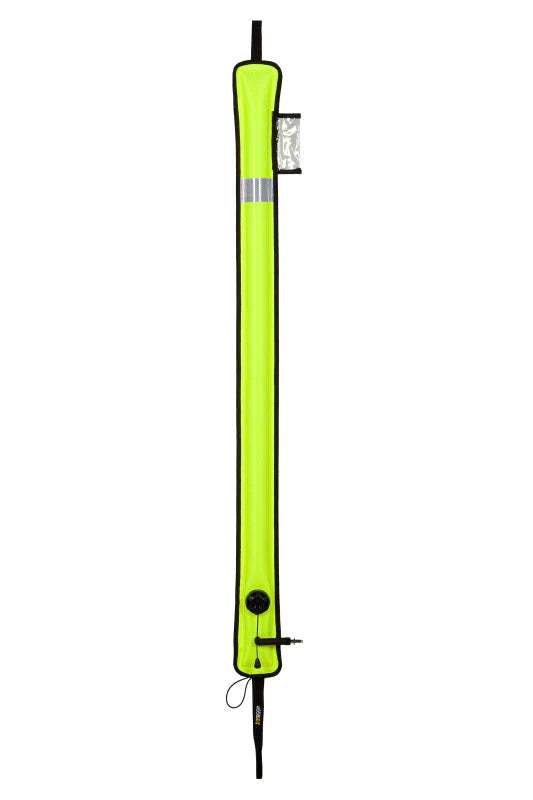
    At Dive Rutland, we see Surface Marker Buoys (SMBs) and marker buoys as core safety equipment. They play a vital role in diver awareness, navigation and surface communication, whether you are shore diving inland sites, drifting from a boat, or completing decompression and safety stops. SMBs let you signal your position clearly to surface cover, which matters most in busy or low-visibility conditions.

    They are not just recommended. Many dive operators and training agencies require one. Used correctly, an SMB helps surface cover track divers underwater and alerts passing vessels to your presence.

    Choosing a delayed SMB

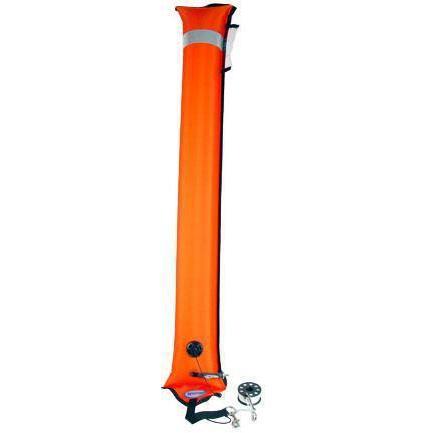
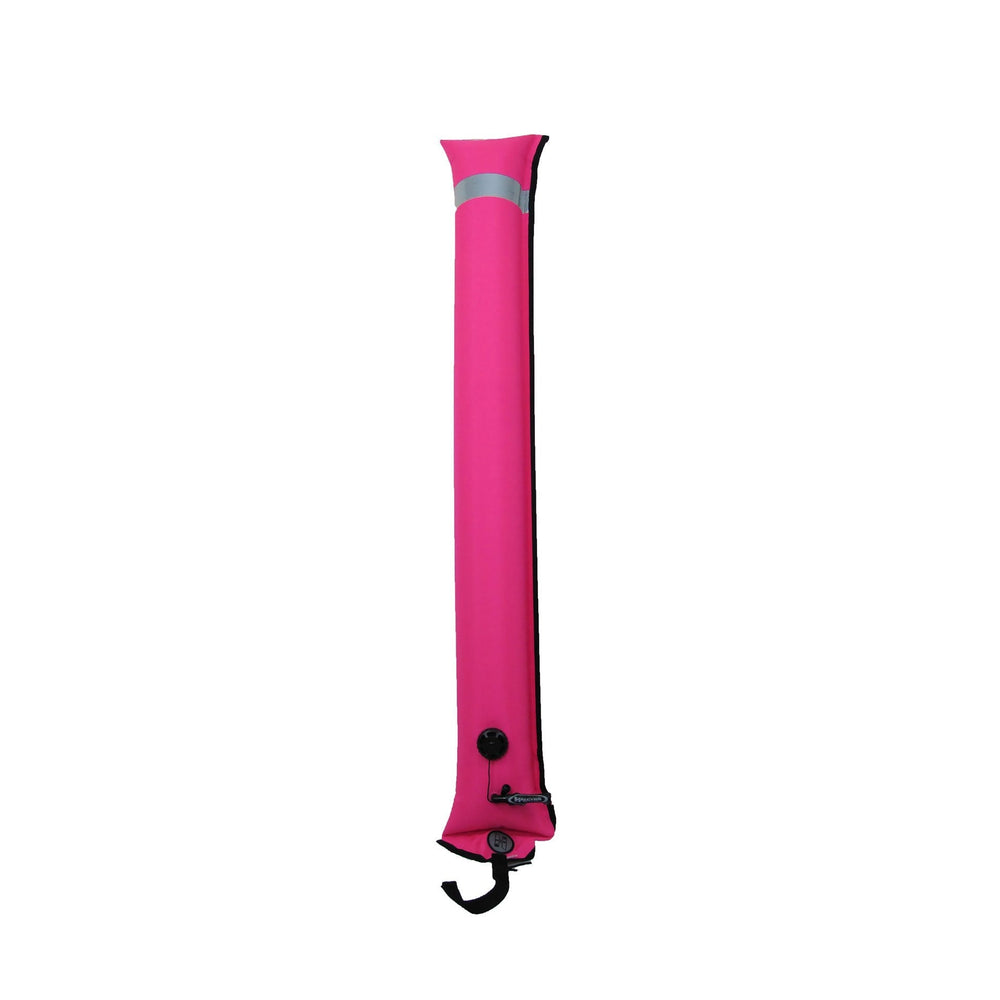
    Our collection runs from compact delayed SMBs (DSMBs) that stow neatly in a pocket, through to larger high-visibility models intended for offshore or low-visibility conditions, so there are options for recreational, technical and training dives. Features to look at include the material, the colour and height for visibility, whether it inflates orally, from a low-pressure hose or from its own small cylinder, whether it has an over-pressure valve, and how it attaches. Specifications vary between models, so check the manufacturer specification for the buoy you are considering.

    Lifting bags

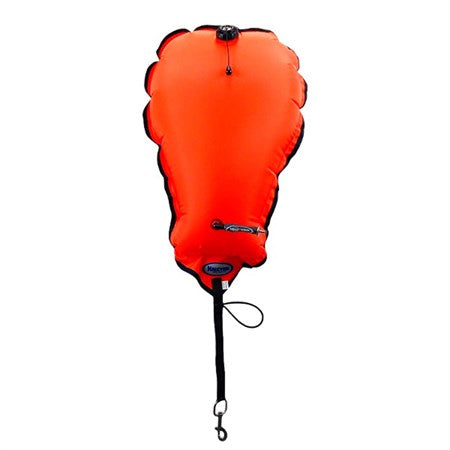
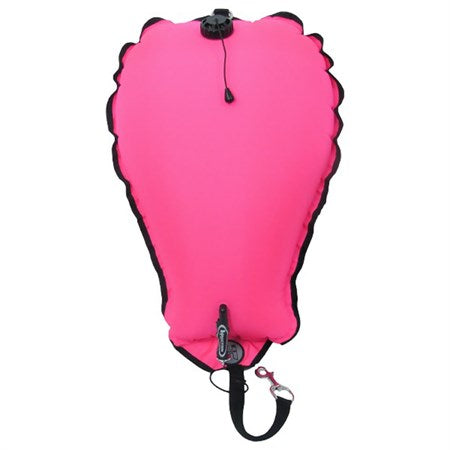
    Lifting bags are a different job from a marker buoy: they are built to raise an object under control, and usually carry a dump valve so gas can be vented on the way up. Rated capacities differ widely between models and we will not give a general figure, so check the manufacturer specification for the bag itself. Lifting and recovery carries real risk if it is done badly, so get proper instruction before you use one.

    Deployment is a trained skill

    Sending up a buoy from depth, and lifting anything with a bag, are skills to be taught in the water rather than read off a product page. We are not going to write you a procedure here. If you want to learn it properly, or refresh it, talk to us about training. Our guide to choosing an SMB covers the equipment side, and our buoyancy articles cover the stable platform you need to do it well.

    Reels and spools

    A buoy needs a line, and reels and spools are essential for controlled deployment, wreck and line work, and holding a reference point underwater. You will find our full range in the Reels and Spools collection.

    Brands in this collection

    We currently stock SMBs, marker buoys and lifting bags from AP Diving, Apeks, DIRZone, Halcyon, Mares, XDEEP and XS Scuba. If you are unsure what setup best suits your diving, the Dive Rutland team is always happy to offer practical advice based on how you dive, not just what looks good on paper.

    Frequently asked questions

    A delayed surface marker buoy is one you carry stowed and send up during the dive, so surface cover and passing boats know where you are. Closed and self-sealing designs hold gas better once at the surface; open-bottom designs are simpler. Sending one up is a trained skill rather than something to work out on the day, so get proper instruction first and we are always happy to talk it through in the shop.
    As an inflated buoy rises, the gas inside it expands. An over-pressure valve vents that excess automatically so the buoy is not over-stressed on the way up. Not every model has one and designs differ, so check the manufacturer specification for the buoy you are considering.
    Oral inflation means putting gas into the buoy by mouth. Low-pressure inflation uses a hose connection from your regulator, and some buoys have their own small inflation cylinder. Many models accept more than one method. Which one suits you depends on your training and how you dive, so check the manufacturer specification and ask us to match it to your setup.
    We will not give a blanket figure, because it depends entirely on what you are lifting and how. Rated capacities differ widely between models, so check the manufacturer specification for the bag itself. Lifting and recovery is a trained skill with real risk if it is done badly, so get proper instruction before you use a lift bag, and talk to us about the right bag for the job.