


Drysuits

Expert advice
Talk to divers who use the kit we sell.
Servicing and repairs
Regulators, cylinders, drysuits, BCDs and computer batteries.
Rutland dive centre
A real shop in Oakham, with training and pool sessions.
UK delivery
Posted across the UK. Ask about lead times on special orders.












Frequently asked questions
Not for every dive, but most divers who want to dive comfortably through the whole year end up in one. UK inland and coastal water is cold enough for long enough that a drysuit is what keeps the dive about the diving rather than about how cold you are.
Plenty of divers start in a wetsuit and move to a drysuit as their diving gets longer, deeper or more frequent.
Plenty of divers start in a wetsuit and move to a drysuit as their diving gets longer, deeper or more frequent.
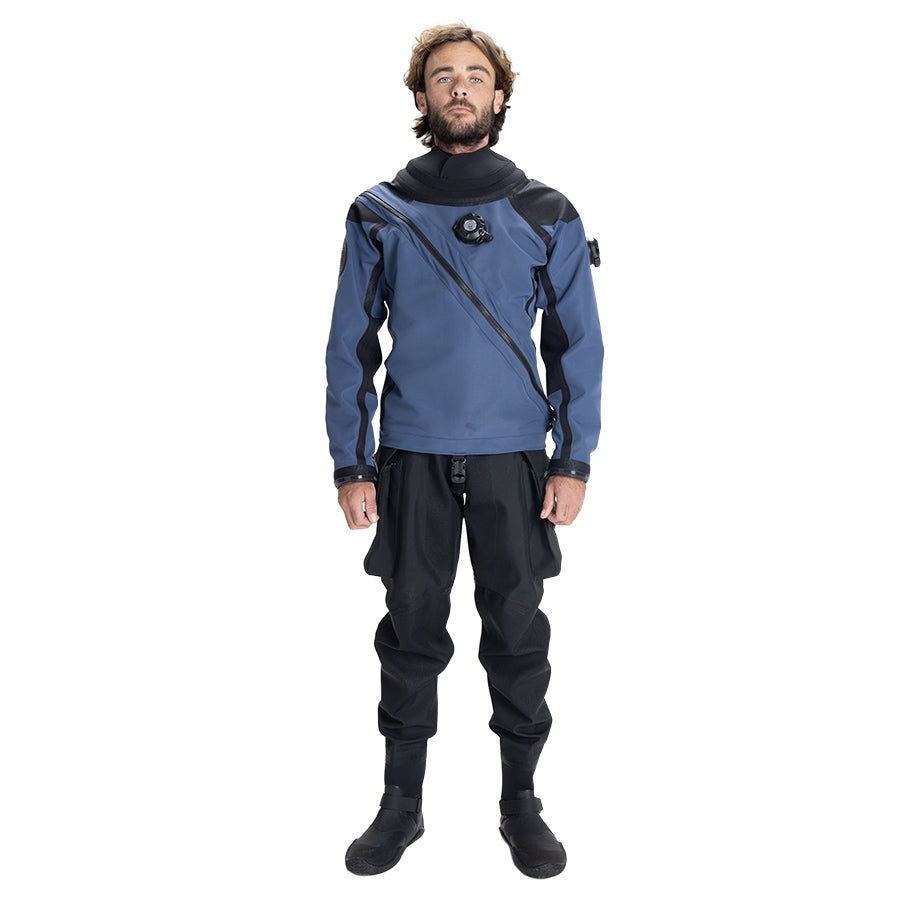
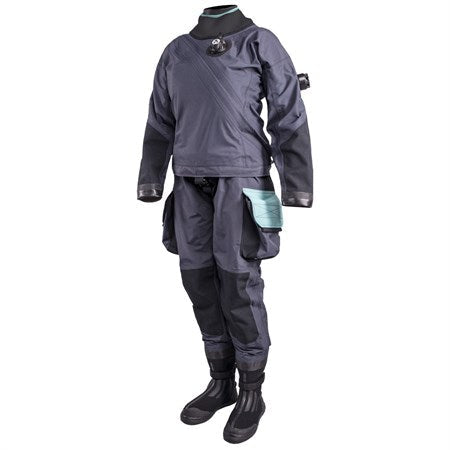
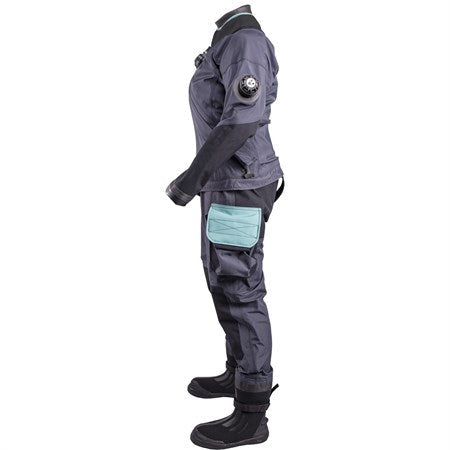
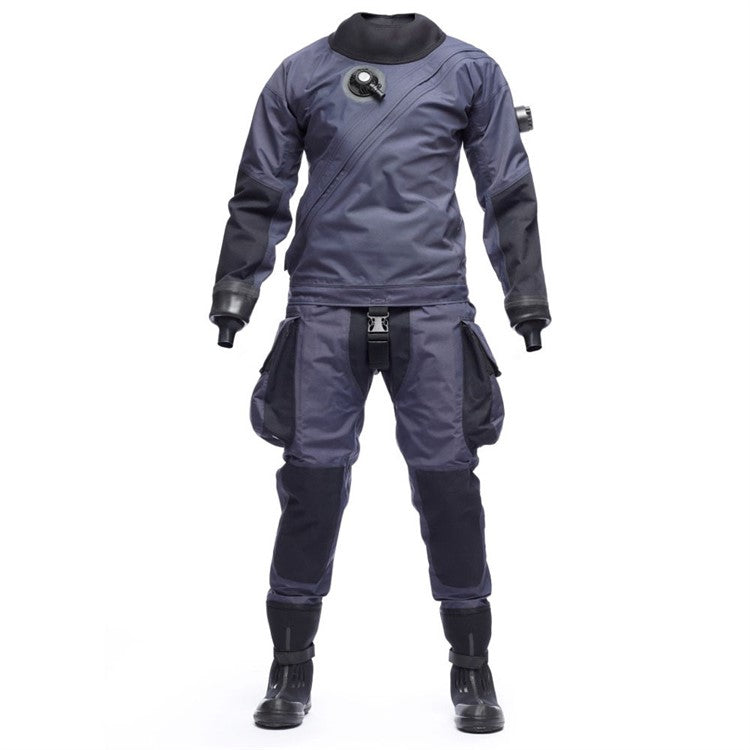
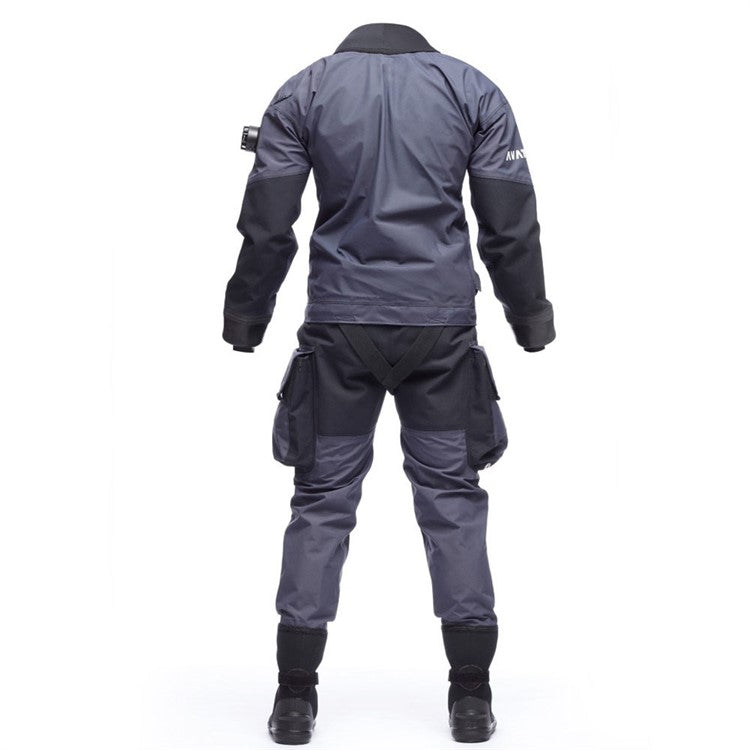
A membrane suit is a shell. It keeps water out but provides little insulation on its own, so you set your warmth entirely with the undersuit underneath. That makes it flexible across seasons and easy to layer up or down.
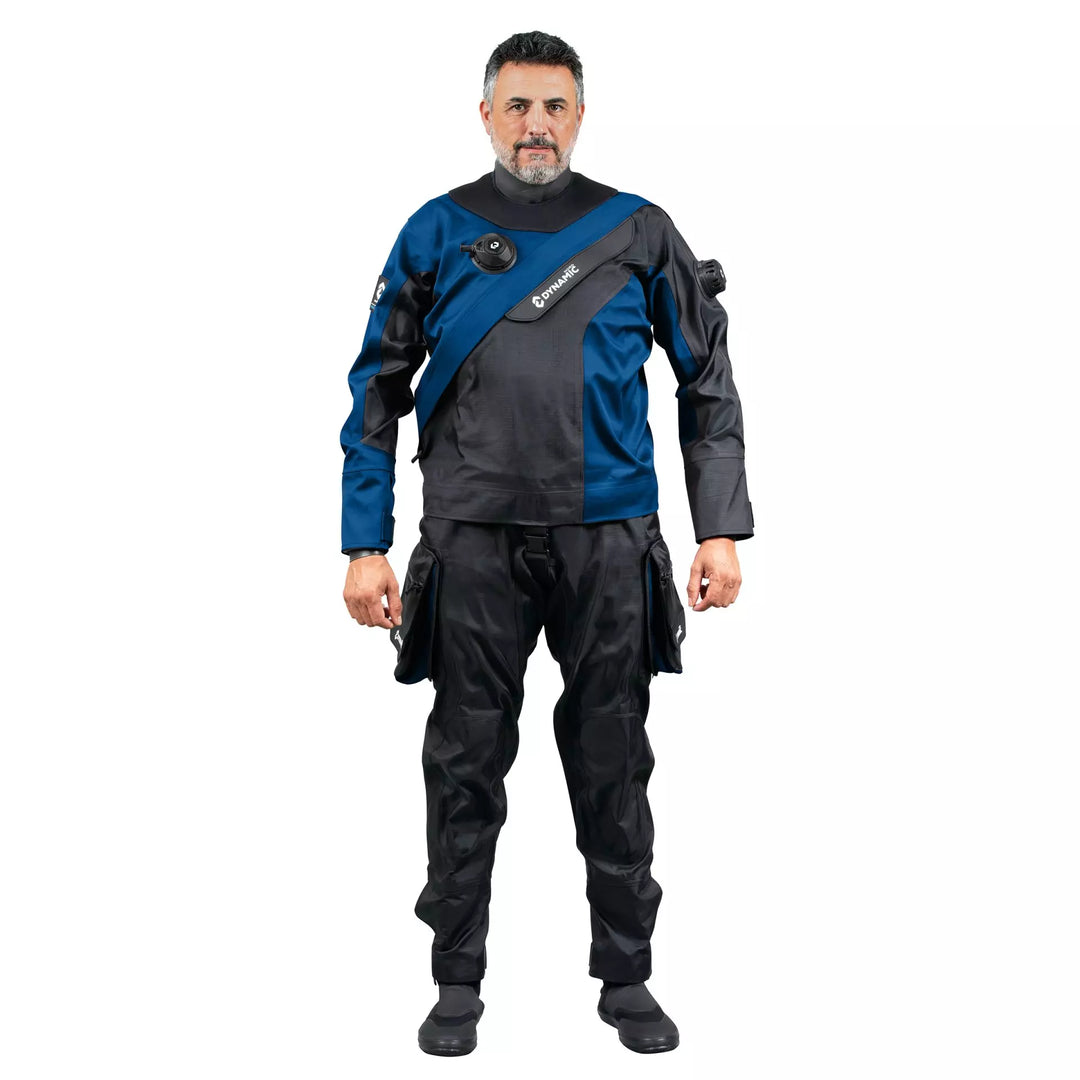
A neoprene suit has insulation built into the material itself, so it carries some warmth without an undersuit and tends to be more robust.
We stock both. Which suits you depends more on the diving you do and how you like to layer than on which is better in the abstract.
A neoprene suit has insulation built into the material itself, so it carries some warmth without an undersuit and tends to be more robust.
We stock both. Which suits you depends more on the diving you do and how you like to layer than on which is better in the abstract.
No. The suit keeps you dry. The undersuit keeps you warm.
This is the single most useful thing to understand before buying, because it means the suit and the undersuit are one decision, not two. A very good drysuit with too little insulation underneath will still be a cold dive.
If you are buying a suit, budget time to get the undersuit right as well.
This is the single most useful thing to understand before buying, because it means the suit and the undersuit are one decision, not two. A very good drysuit with too little insulation underneath will still be a cold dive.
If you are buying a suit, budget time to get the undersuit right as well.
Yes. A drysuit changes how you manage buoyancy, because the air in the suit moves as you move. It is a genuinely different skill from wetsuit diving and it is worth learning properly rather than working it out underwater.
We run drysuit training at Dive Rutland. If you are buying your first suit, it is worth booking the course around the same time.
We run drysuit training at Dive Rutland. If you are buying your first suit, it is worth booking the course around the same time.
Sizing varies between manufacturers, so a size in one brand will not always match the same size in another. Check the manufacturer specification for the suit you are looking at, and remember the suit has to fit over an undersuit, not over your normal clothes.
Our size guide has the published charts for the brands we stock. If you are between sizes, or you are not sure, come and try one on. It is the part of this decision that is hardest to get right from a chart.
Our size guide has the published charts for the brands we stock. If you are between sizes, or you are not sure, come and try one on. It is the part of this decision that is hardest to get right from a chart.
Rinse it after diving, dry it out of direct sunlight, and look after the zip and the seals, which are the parts that wear first and the parts that stop it being a drysuit.
Seals and zips are replaceable, and we repair suits in house, so a leak is usually a repair rather than a new suit. Follow the manufacturer's care instructions for the specific suit.
Seals and zips are replaceable, and we repair suits in house, so a leak is usually a repair rather than a new suit. Follow the manufacturer's care instructions for the specific suit.