




Gloves

Expert advice
Talk to divers who use the kit we sell.
Servicing and repairs
Regulators, cylinders, drysuits, BCDs and computer batteries.
Rutland dive centre
A real shop in Oakham, with training and pool sessions.
UK delivery
Posted across the UK. Ask about lead times on special orders.

Frequently asked questions
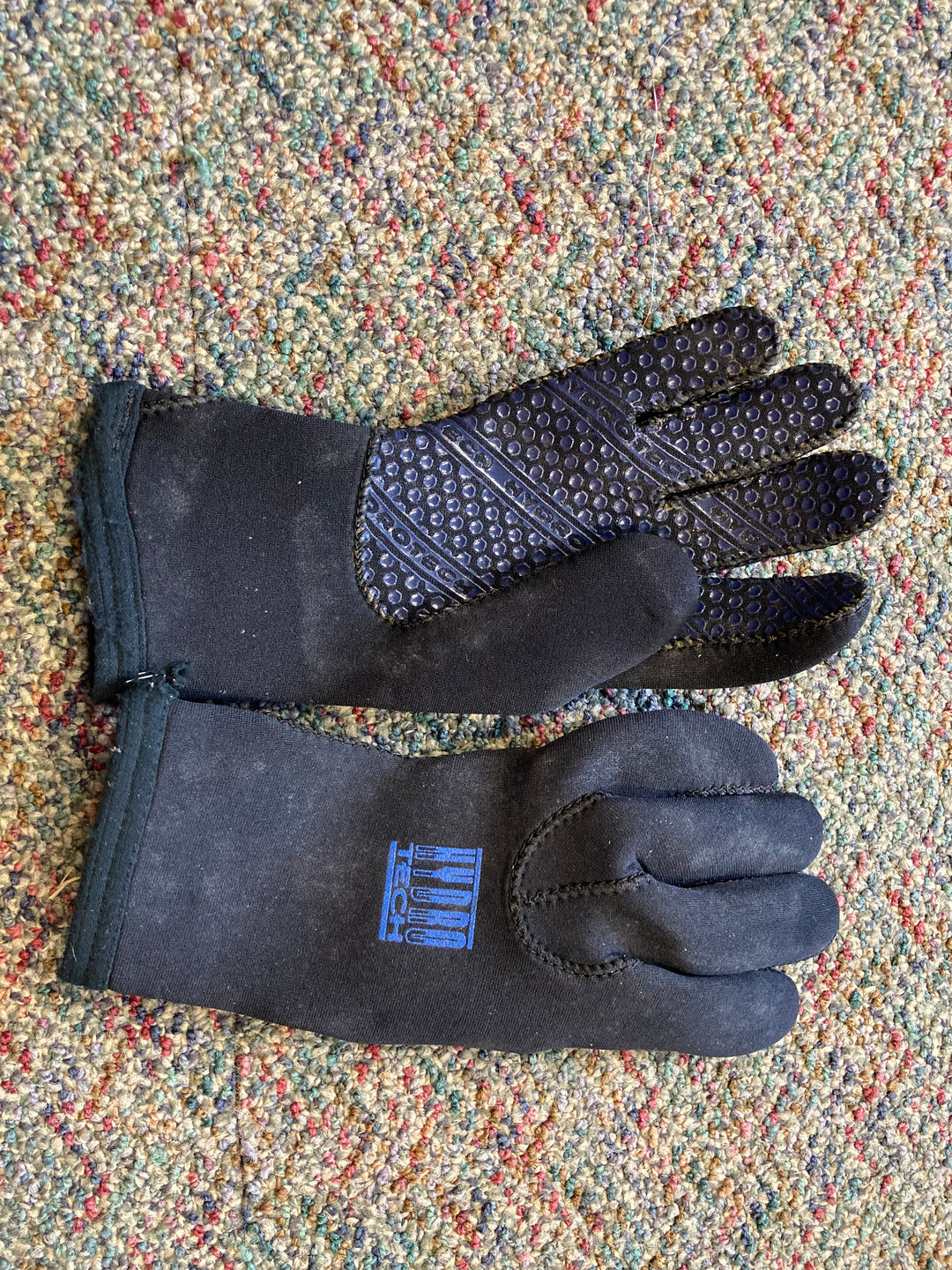
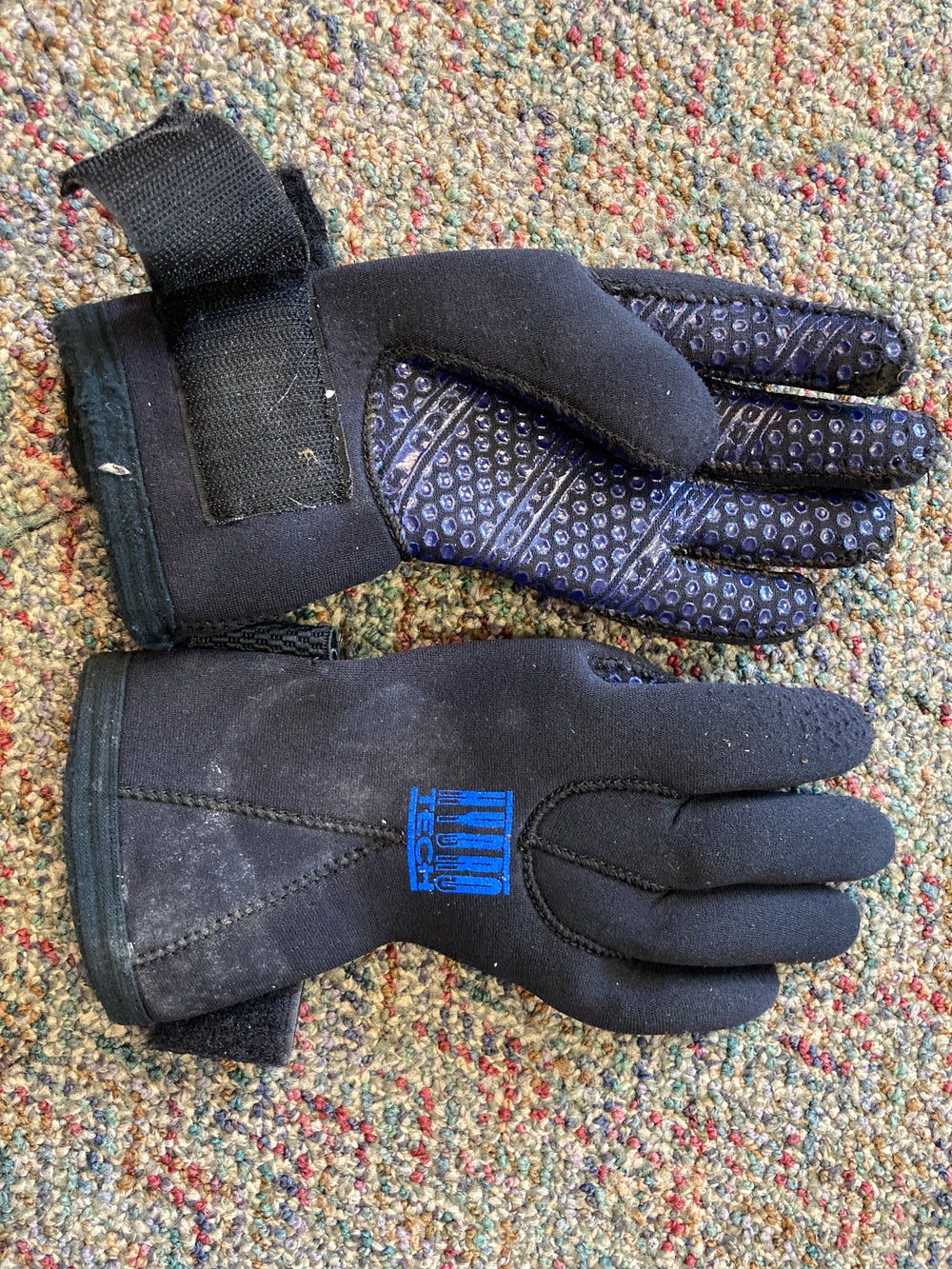
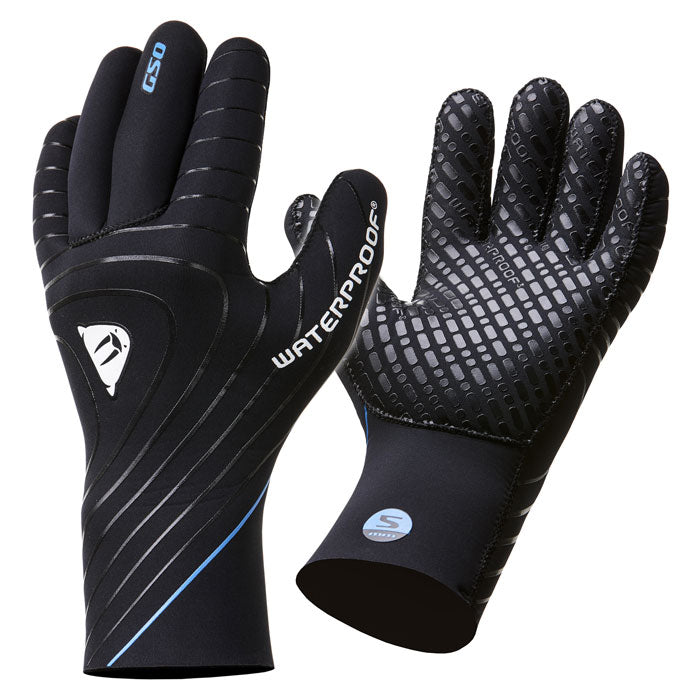
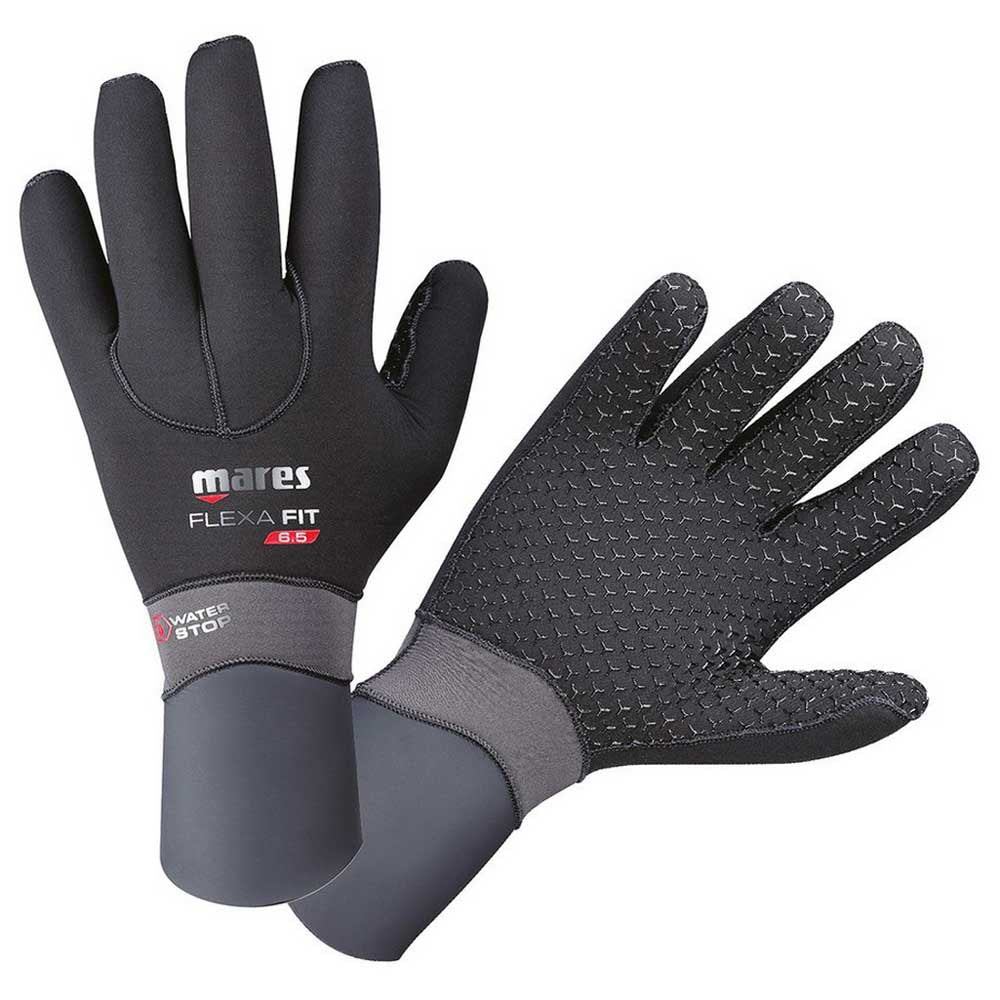
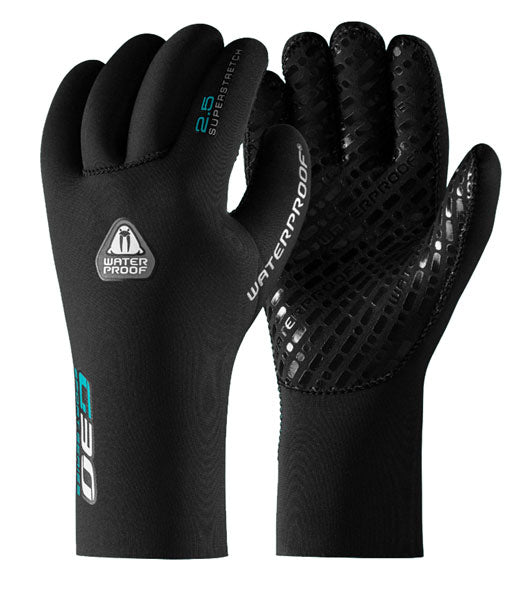
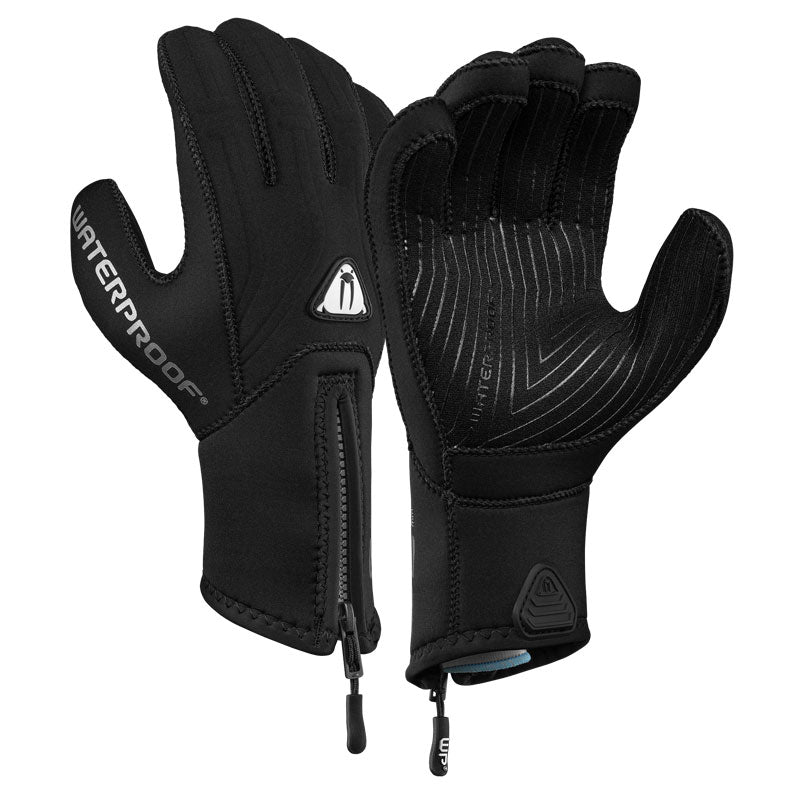
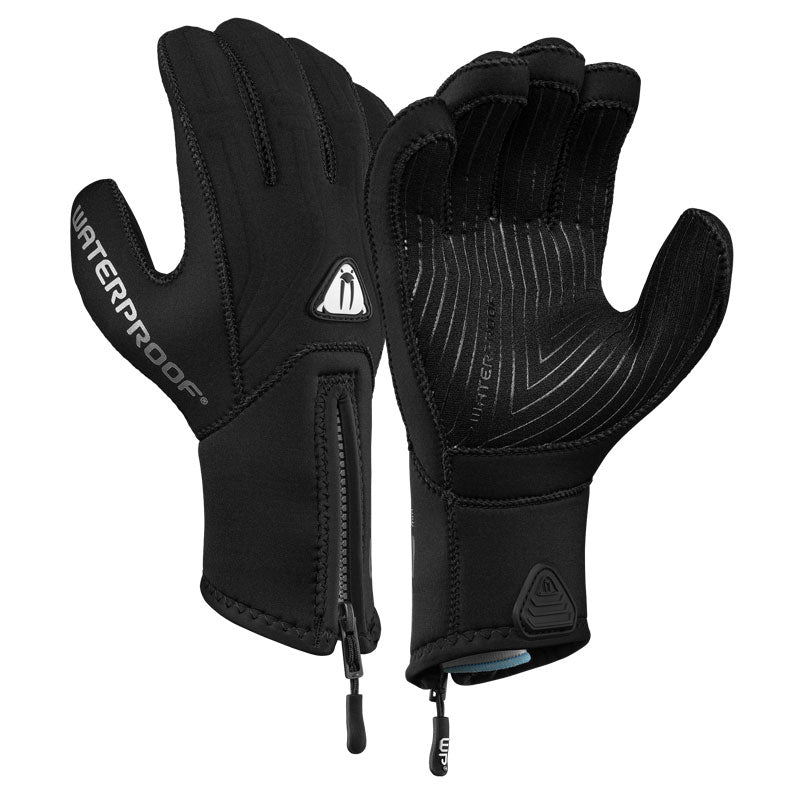
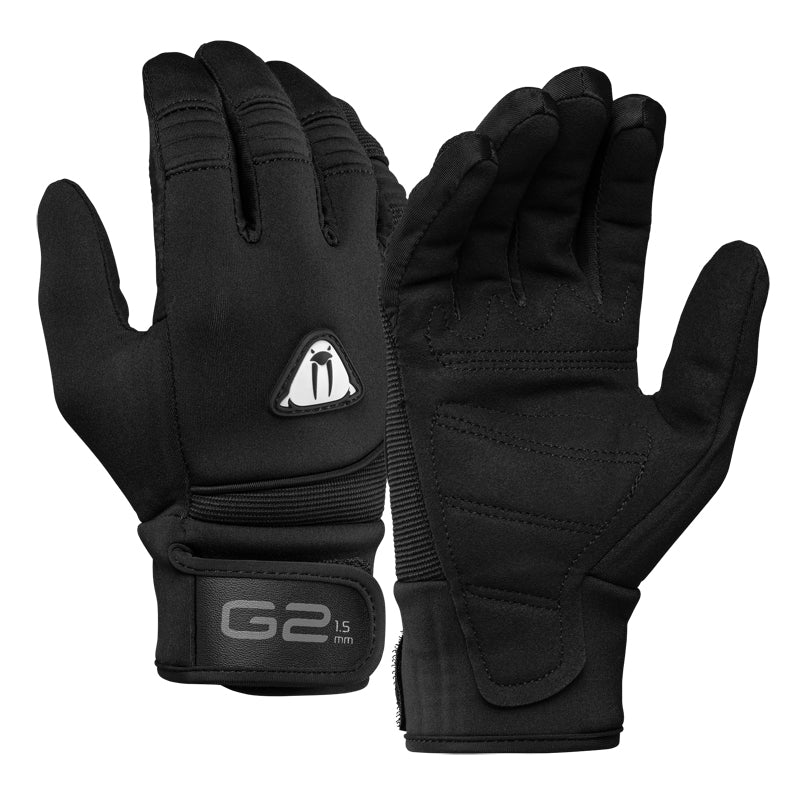
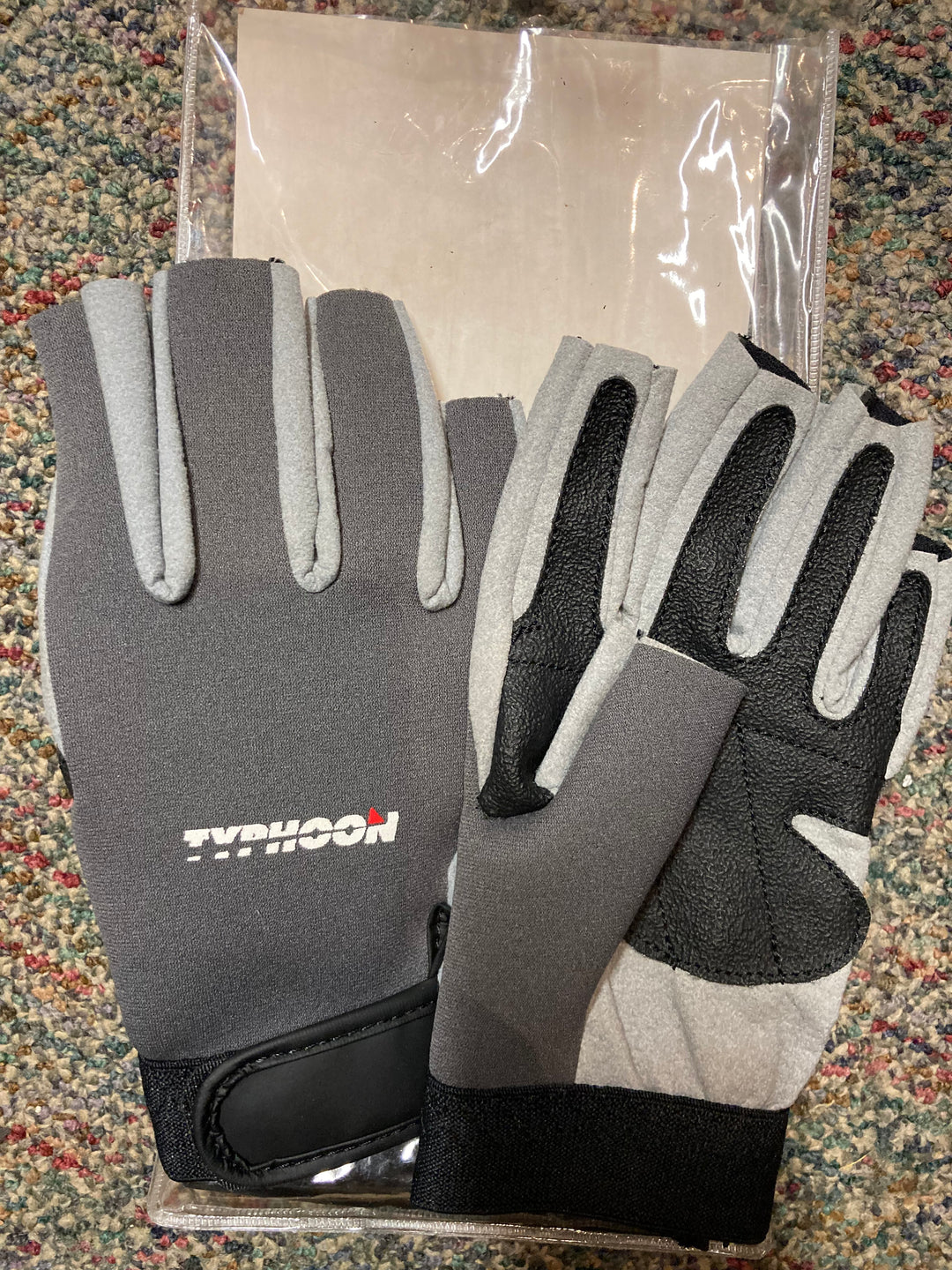
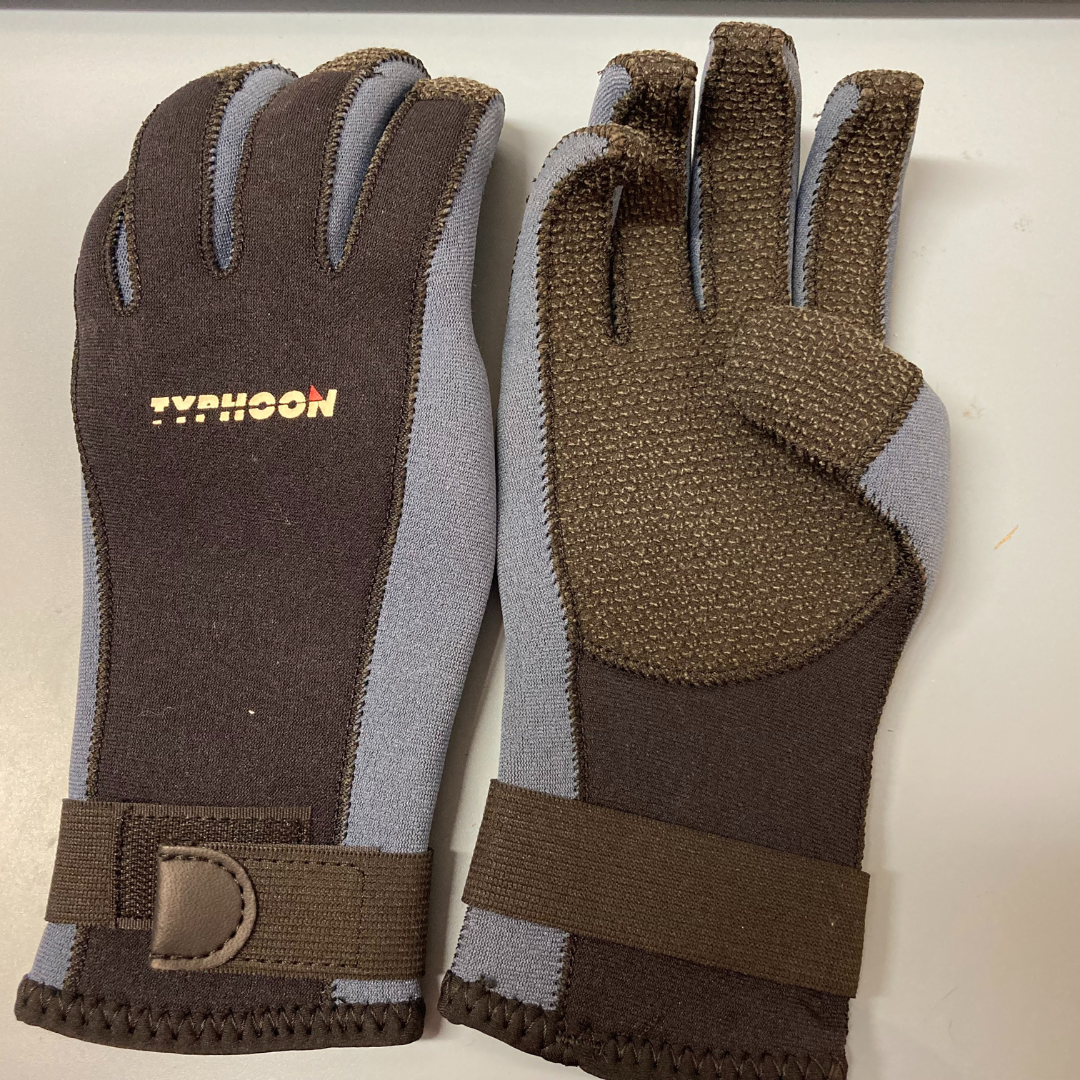
There is no single right answer, and we will not give you a blanket rule for a safety item. Thicker neoprene insulates more than thinner neoprene, but it also costs you dexterity, so the choice depends on the water you are diving, how long you are in it, how you personally feel the cold and what you need your hands to do down there. The neoprene gloves in this collection run from 1.5mm up to 7mm three-finger mitts. Tell us where you are diving and we will help you narrow it down.
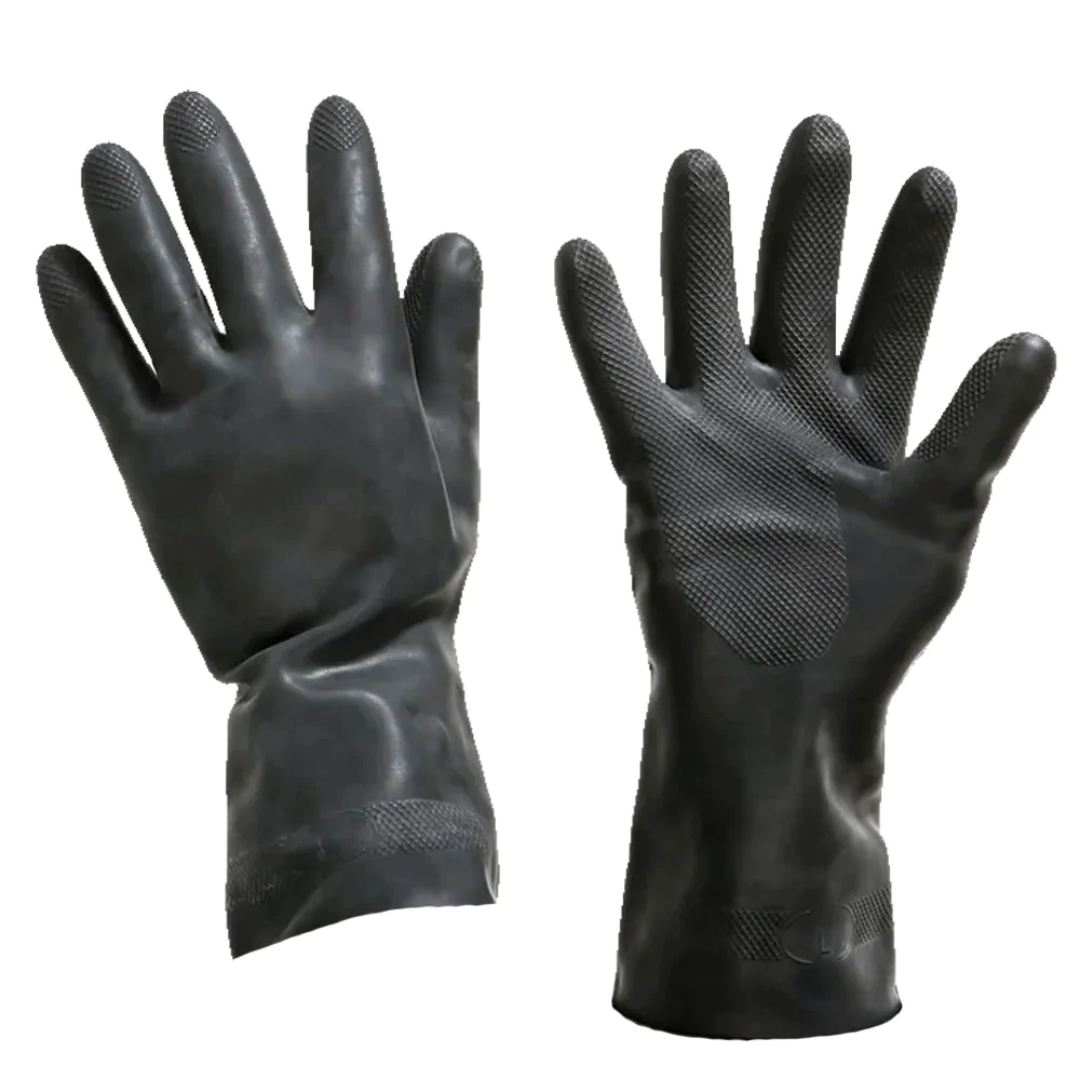
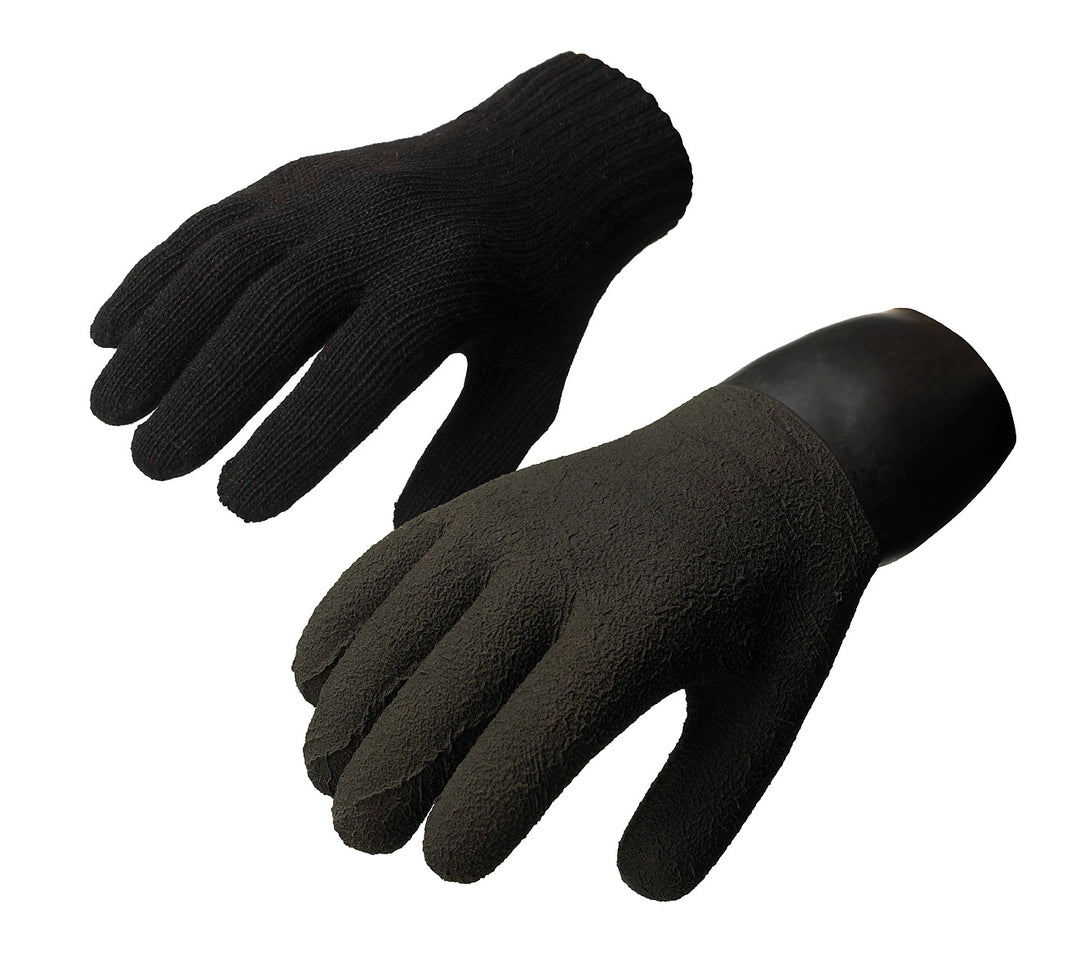
That depends entirely on the suit, the cuff or seal it has and the ring system involved. Dry glove rings and mounting systems are not universally interchangeable between manufacturers. Check the manufacturer specification for both your suit and the glove system you are considering, or bring the suit into the shop and we will check it with you before you buy anything.
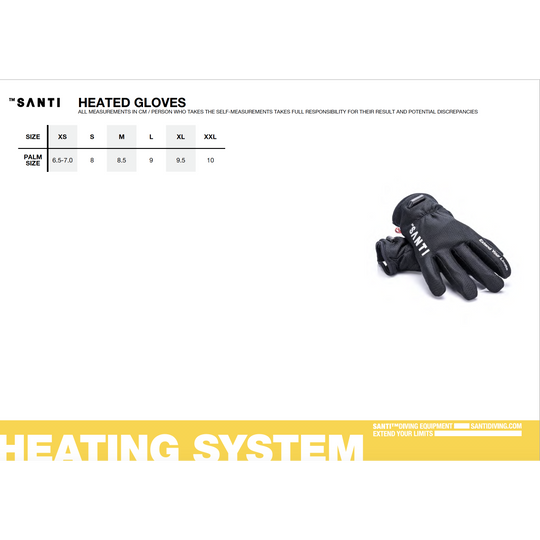
Snug, without restricting your circulation. A glove that is too tight is uncomfortable and works against you; one that is too loose lets water move around inside and takes away the grip you need for clips, valves and a camera. Try them on with any liner you intend to wear underneath, and try gripping something while you have them on rather than judging by feel alone.
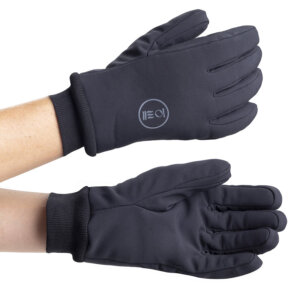
With a dry glove system, yes, and it is common practice. Size the outer glove with the liner in mind rather than buying it to fit your bare hand. With wet gloves it is more constrained, because the glove is meant to fit closely, so allow for it when you size up. We stock Fourth Element G1 liners, Halo A degrees R gloves and Xerotherm wrist warmers for exactly this.