

Cameras Strobes and Accessories

Expert advice
Talk to divers who use the kit we sell.
Servicing and repairs
Regulators, cylinders, drysuits, BCDs and computer batteries.
Rutland dive centre
A real shop in Oakham, with training and pool sessions.
UK delivery
Posted across the UK. Ask about lead times on special orders.




Frequently asked questions
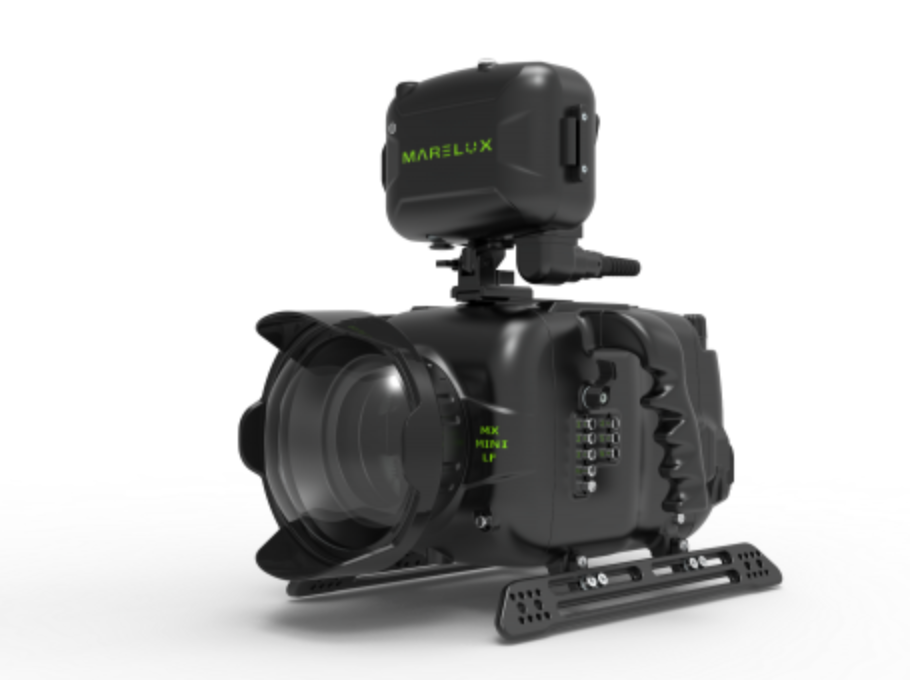
This collection is mostly the hardware that goes around a camera underwater: housings and ports, focus gears and vacuum valves, trays, handles, arms, clamps and ball mounts, continuous lighting, and leak detection. What we hold in housings and bodies changes over time, so if you are after something specific please get in touch and ask.
Usually not without an adapter. Ports use different mounts and different port extensions depending on the housing, and the port also has to suit the specific lens you are putting behind it. We list conversion rings for fitting Nauticam and Sea & Sea ports to a Marelux housing. Beyond that, check the manufacturer specification for your housing, port and lens combination, and ask us if it is not clear.
It depends on how heavy your rig is and how far out you want to push the lights. Float arms are hollow, so they add buoyancy and help offset the weight of a housing and lights in the water. Sizes, ball diameters and fittings vary between products, so check the individual listing, and bring your rig in if you want us to check it fits.
Care with the seals is most of it. Keep o-rings and their grooves clean and free of hair, sand and grit, service and lubricate them exactly as the housing manufacturer instructs, and close the housing somewhere clean and dry. A vacuum valve lets you pull a partial vacuum before the dive so a poor seal shows up on the surface rather than at depth, and moisture-absorbing strips inside the housing can soak up small ingress. None of these replace careful preparation.