




Equipment Care

Expert advice
Talk to divers who use the kit we sell.
Servicing and repairs
Regulators, cylinders, drysuits, BCDs and computer batteries.
Rutland dive centre
A real shop in Oakham, with training and pool sessions.
UK delivery
Posted across the UK. Ask about lead times on special orders.

Frequently asked questions
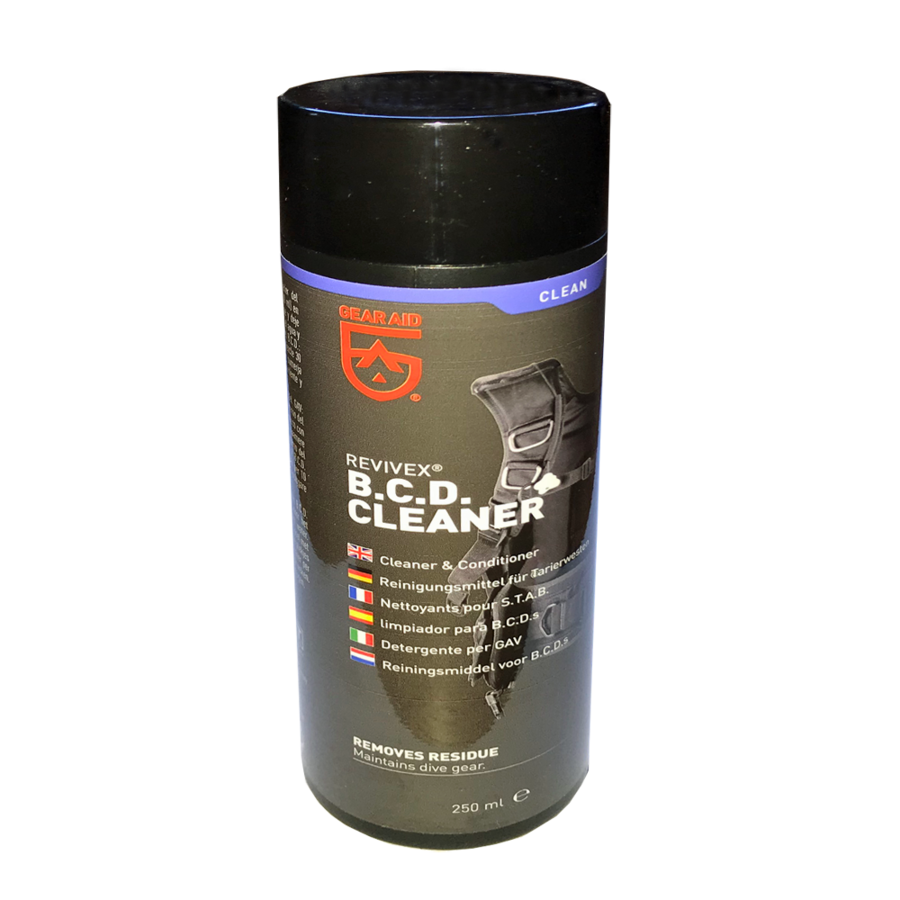
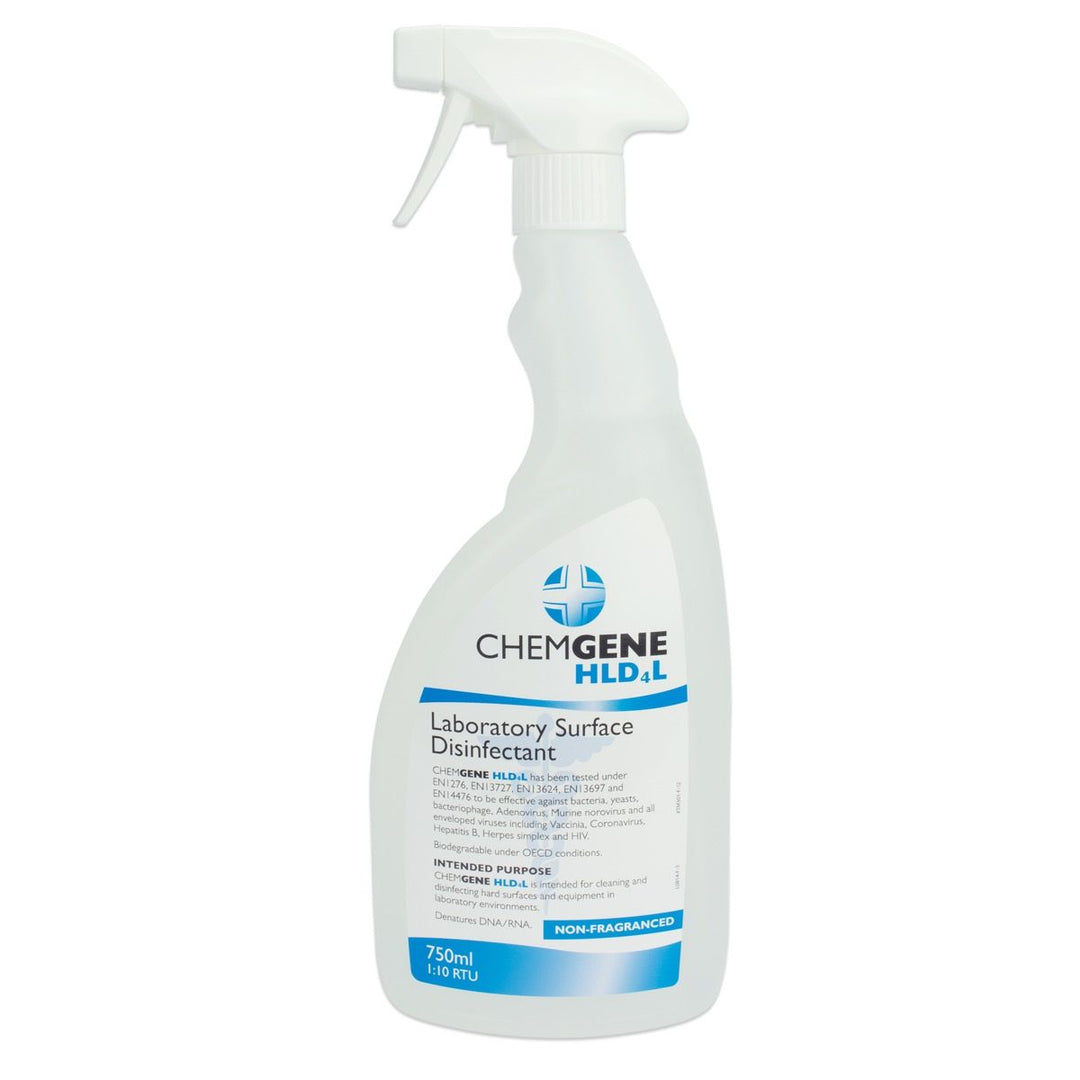
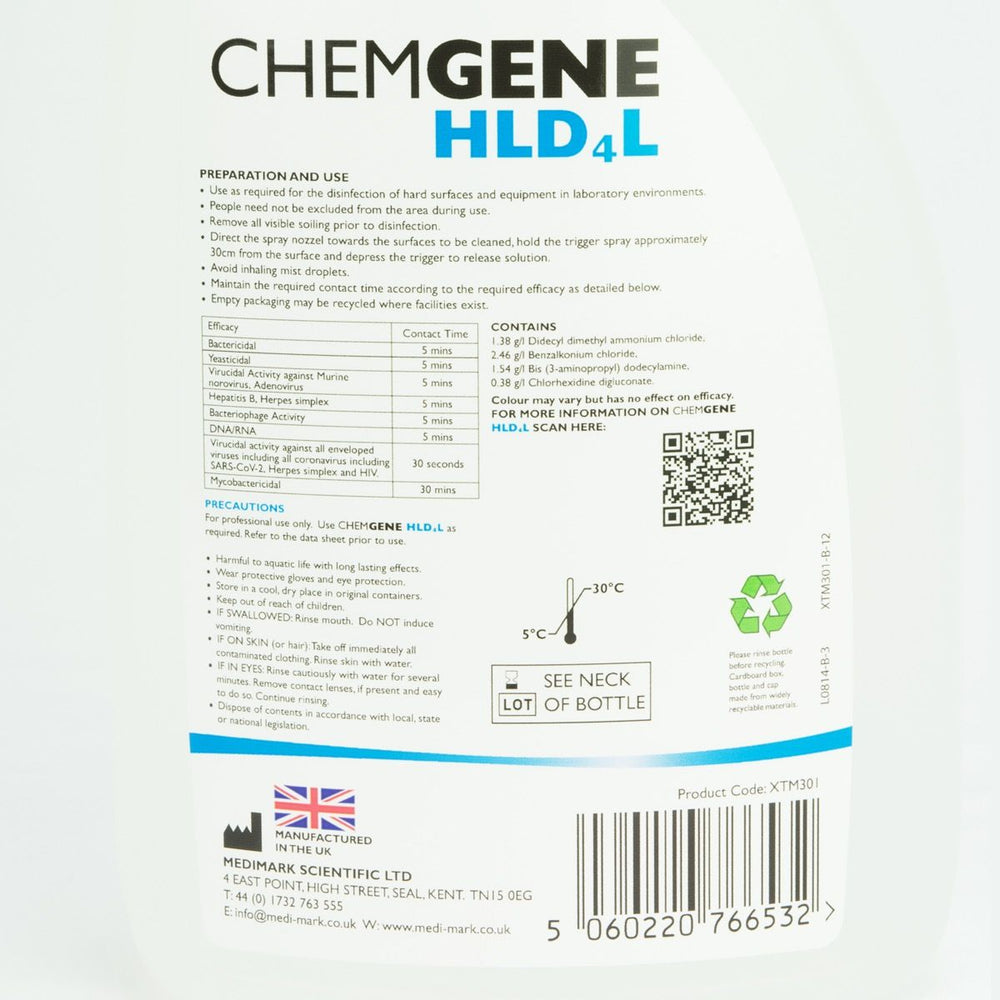
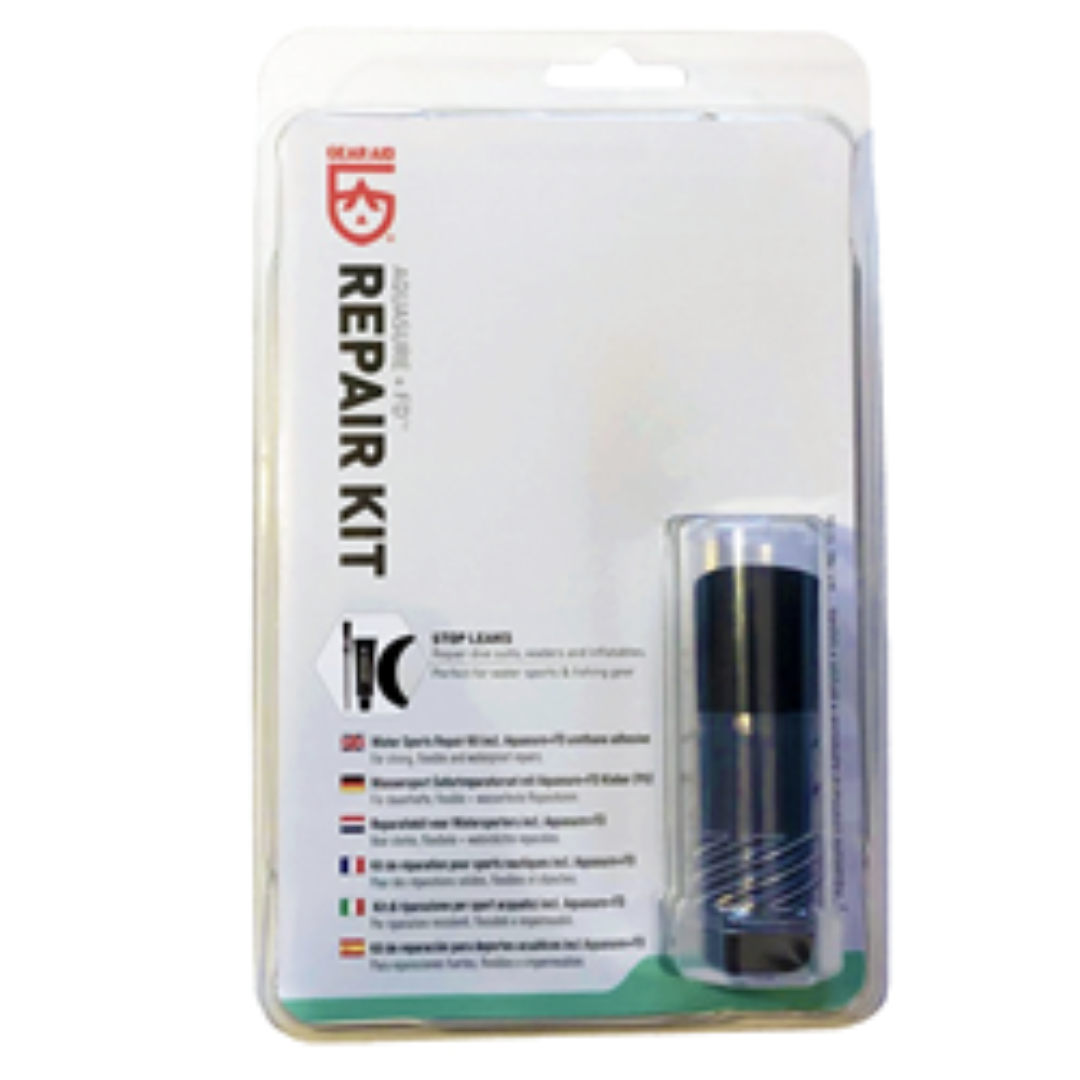
It deals with most of the salt and grit, which is the single most useful thing you can do after a dive. It does not deal with body oils, bacteria or anything inside a BCD bladder, and that is what the purpose made cleaners are for.
Rinsing is also not servicing. It slows down external wear, but it does not reach the parts inside a regulator, an inflator or a cylinder valve.
Rinsing is also not servicing. It slows down external wear, but it does not reach the parts inside a regulator, an inflator or a cylinder valve.
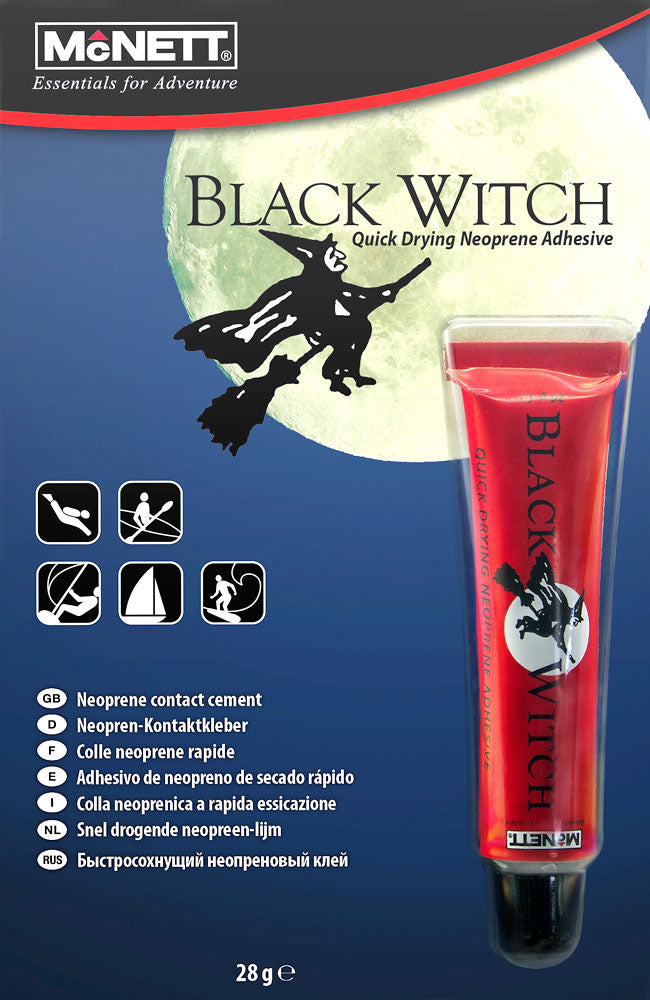
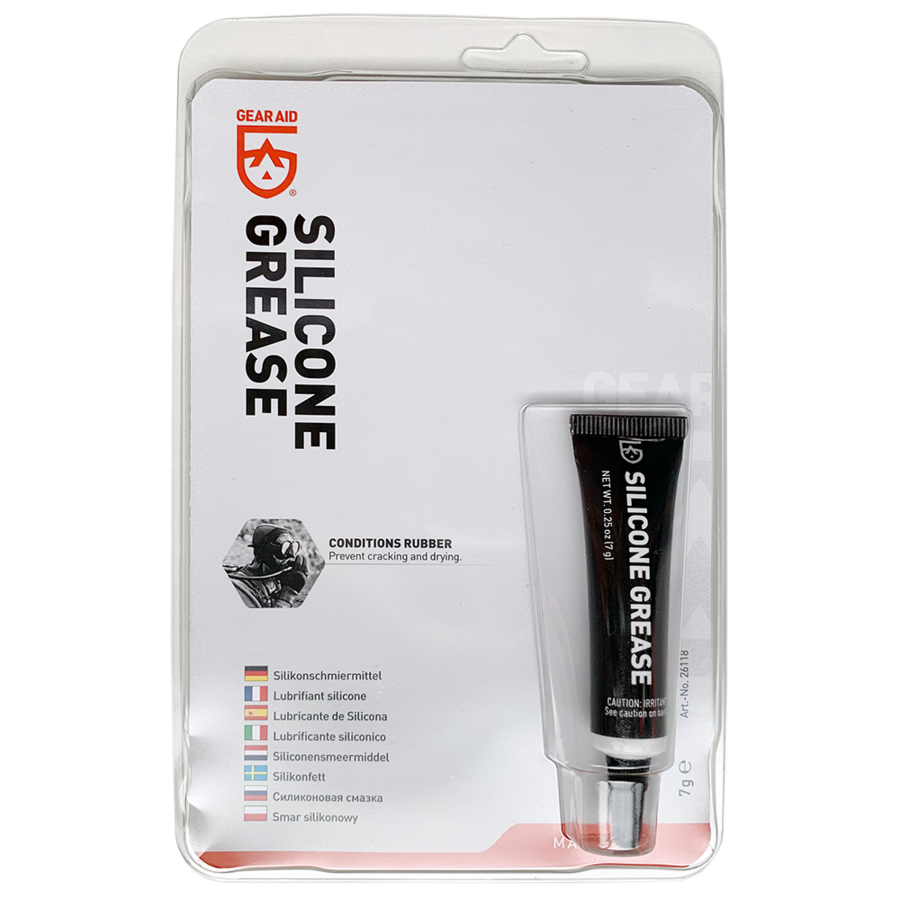
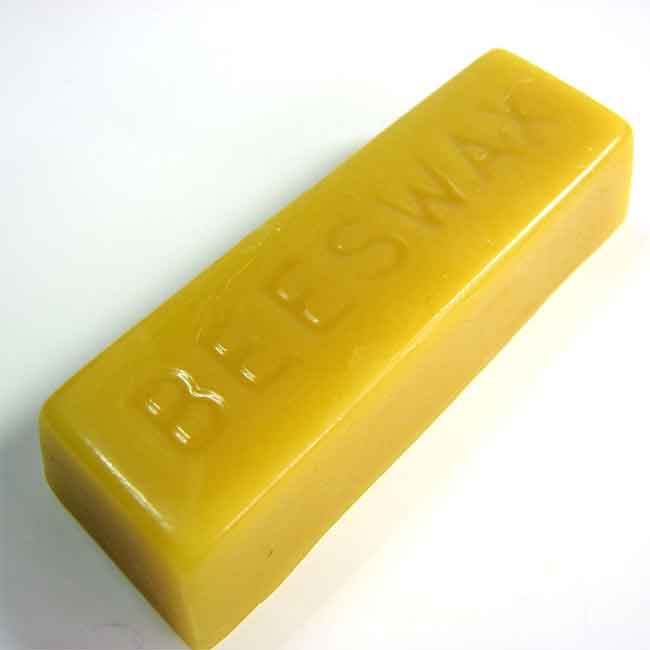
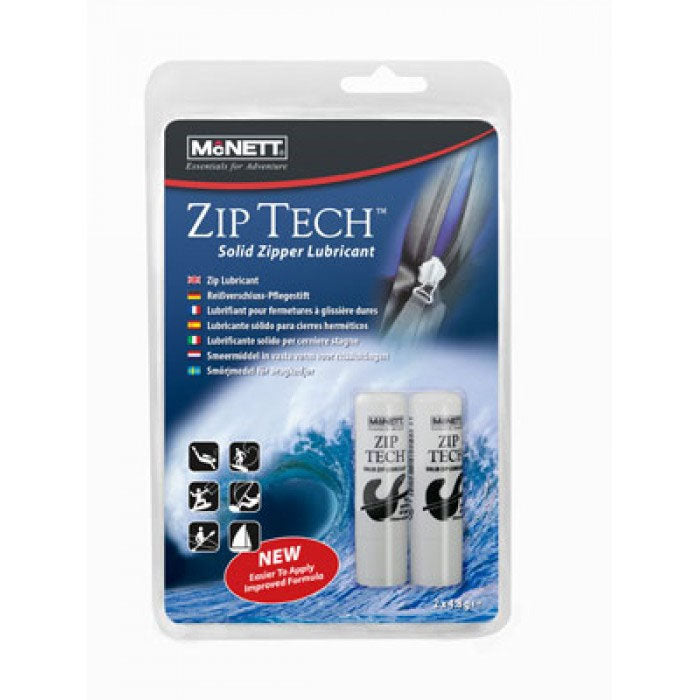
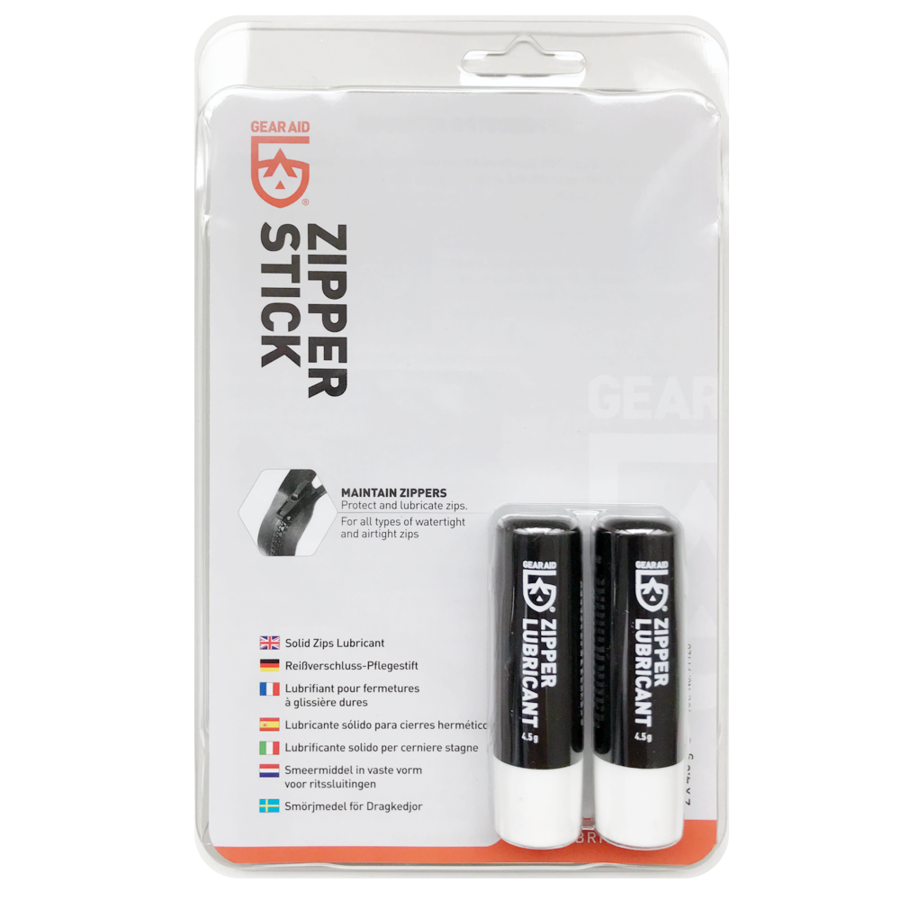
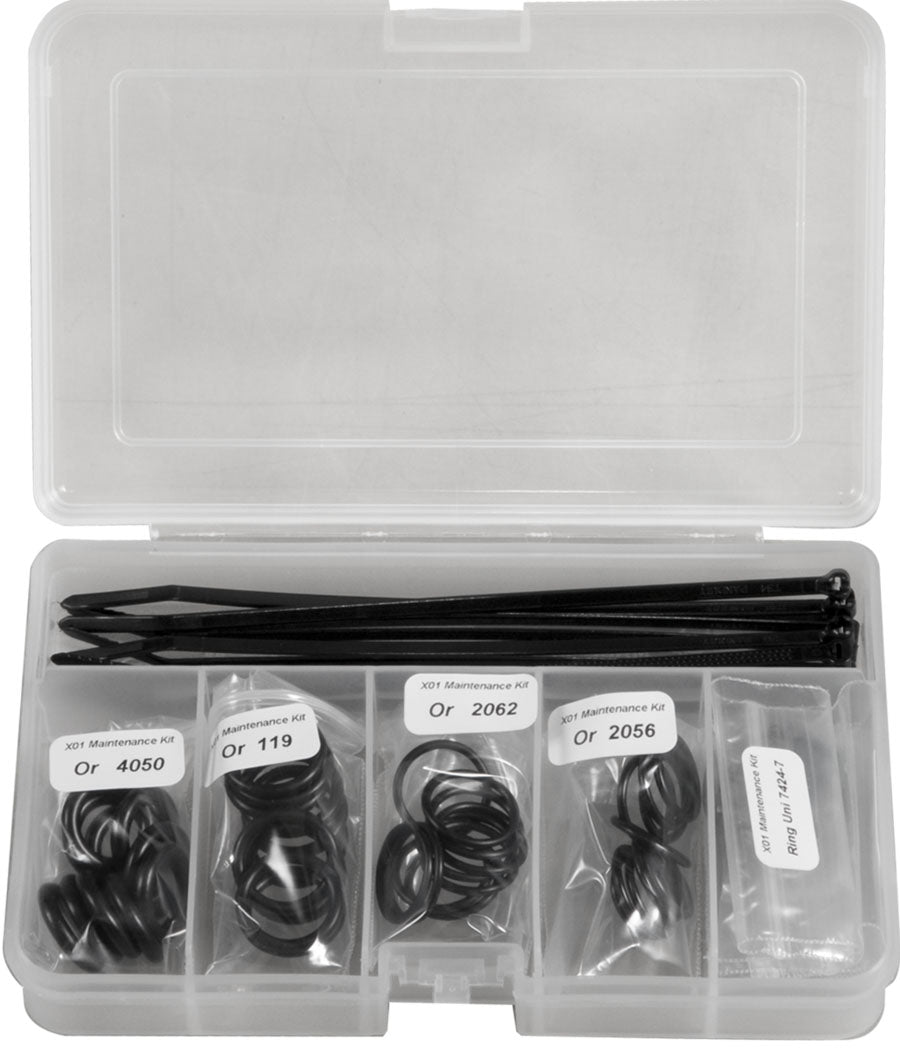
The one the equipment manufacturer specifies for that part, and no other. Silicone greases, zip lubricants, waxes and oxygen compatible greases do different jobs and are not substitutes for each other.
This matters most on anything that sees enriched oxygen, where using a lubricant that is not specified for that duty is a genuine hazard rather than a cosmetic mistake. Check the manufacturer specification for your own equipment, and if you are unsure, ask us or let us do it as part of a service.
This matters most on anything that sees enriched oxygen, where using a lubricant that is not specified for that duty is a genuine hazard rather than a cosmetic mistake. Check the manufacturer specification for your own equipment, and if you are unsure, ask us or let us do it as part of a service.
Only if the care instructions supplied with that garment say so. Some undersuits are machine washable and most wetsuits are not, so the garment label decides it rather than a general rule.
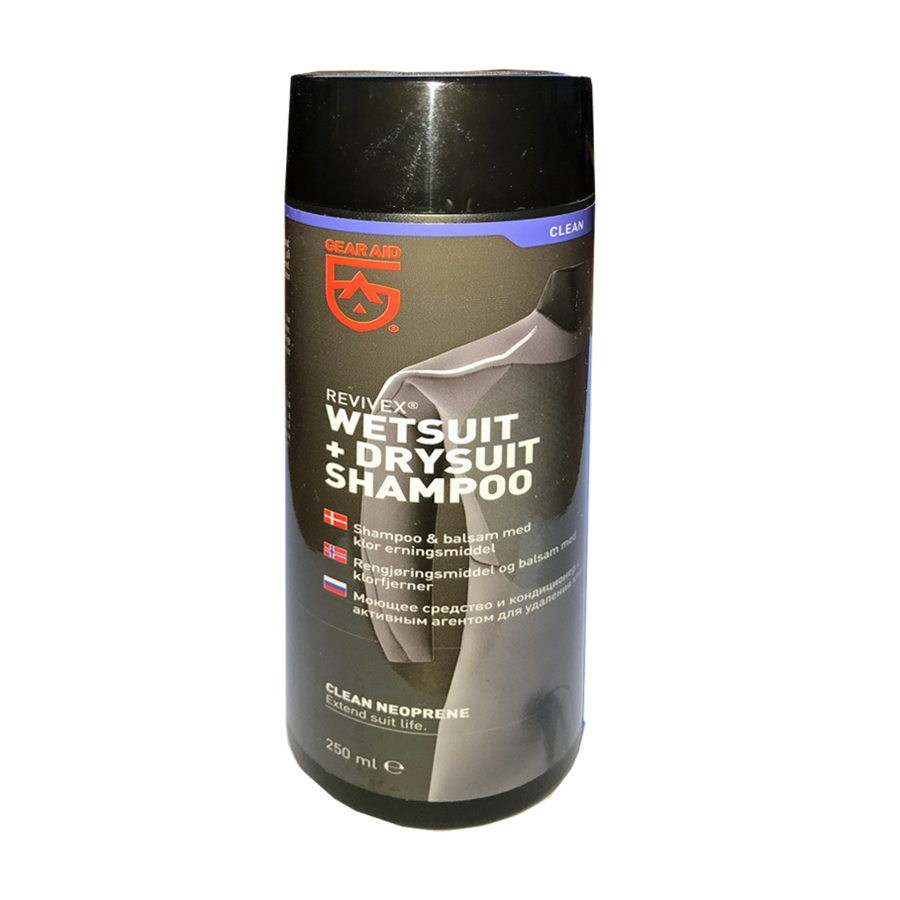
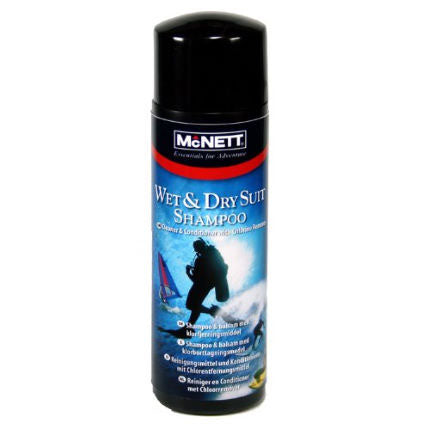
Where hand washing is called for, a wetsuit shampoo is designed for the job in a way household detergent is not. Rinse thoroughly, and dry away from direct heat and direct sunlight before storing.
Where hand washing is called for, a wetsuit shampoo is designed for the job in a way household detergent is not. Rinse thoroughly, and dry away from direct heat and direct sunlight before storing.
Yes. Good care reduces the wear that comes from salt, grit and UV, and it will make a service go more smoothly, but it does not reach the seats, springs, diaphragms and O-rings inside your equipment.
Follow the manufacturer service schedule for each item. Dive Rutland services regulators, BCDs and wings, dive computers, cylinders and drysuits in house.
Follow the manufacturer service schedule for each item. Dive Rutland services regulators, BCDs and wings, dive computers, cylinders and drysuits in house.