


Snorkelling Gear

Expert advice
Talk to divers who use the kit we sell.
Servicing and repairs
Regulators, cylinders, drysuits, BCDs and computer batteries.
Rutland dive centre
A real shop in Oakham, with training and pool sessions.
UK delivery
Posted across the UK. Ask about lead times on special orders.






Frequently asked questions
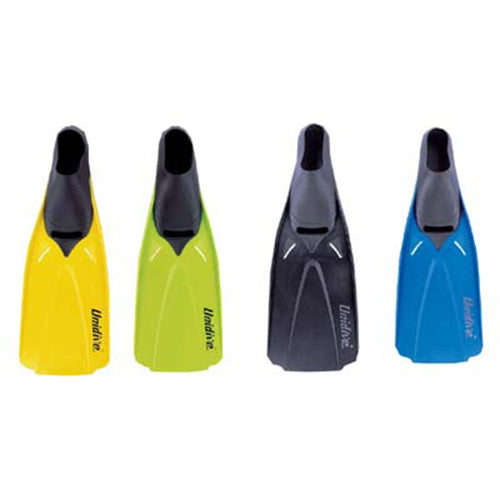
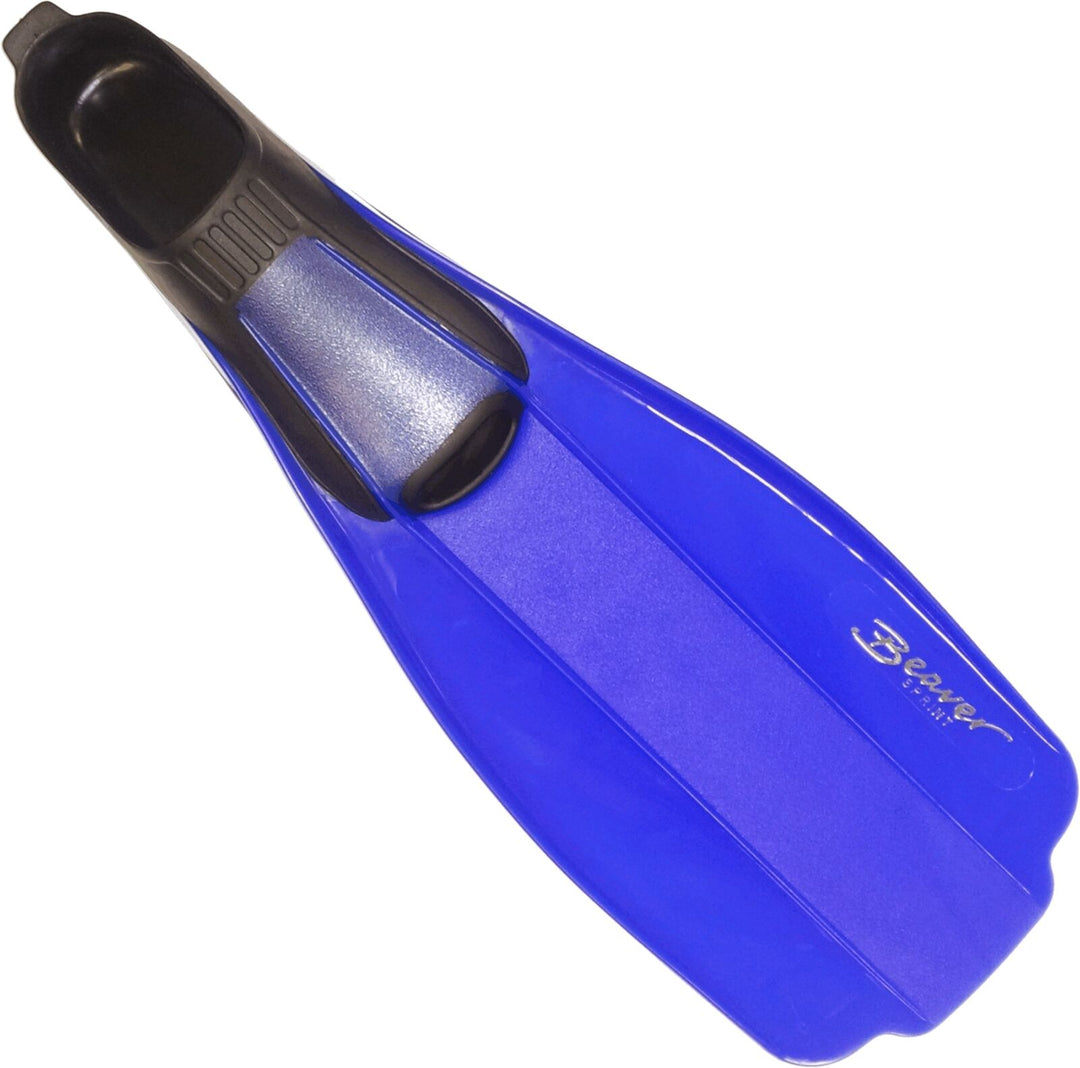
Not necessarily. Full-foot fins are popular for snorkelling because they are light, pack small and are worn barefoot or over a thin sock. Open-heel fins are worn with boots and are the usual choice for scuba diving, but they work for snorkelling too. If you already dive, your existing fins are often fine. Fit matters more than the style, so try a few pairs on before you decide.
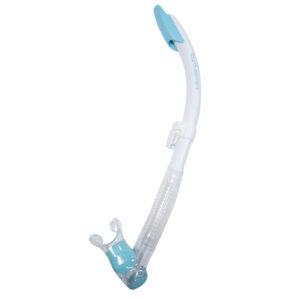
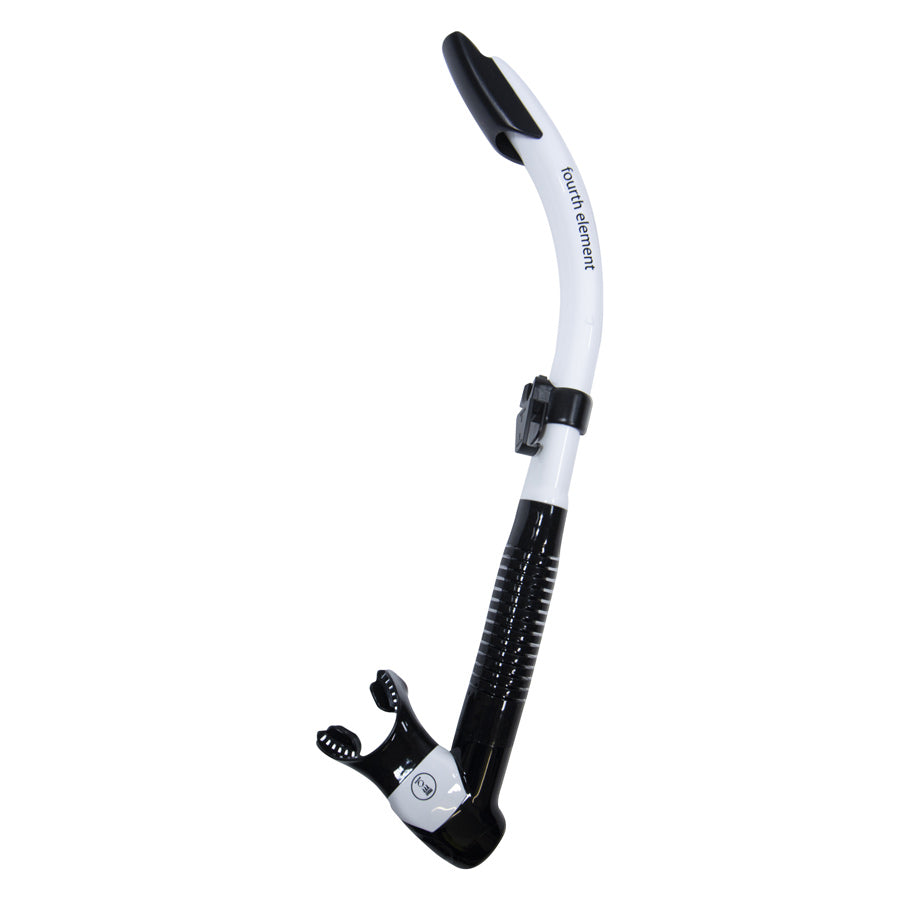
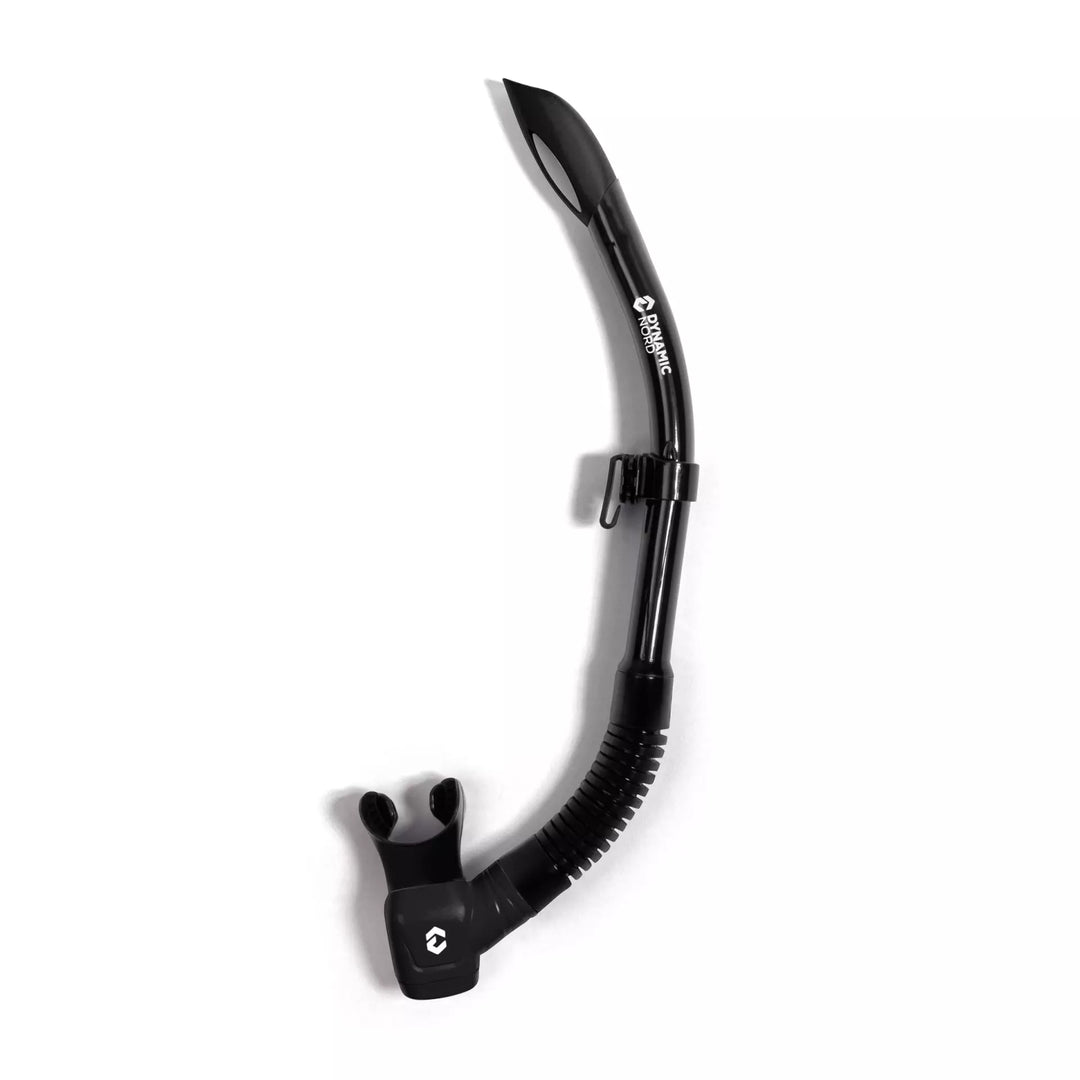
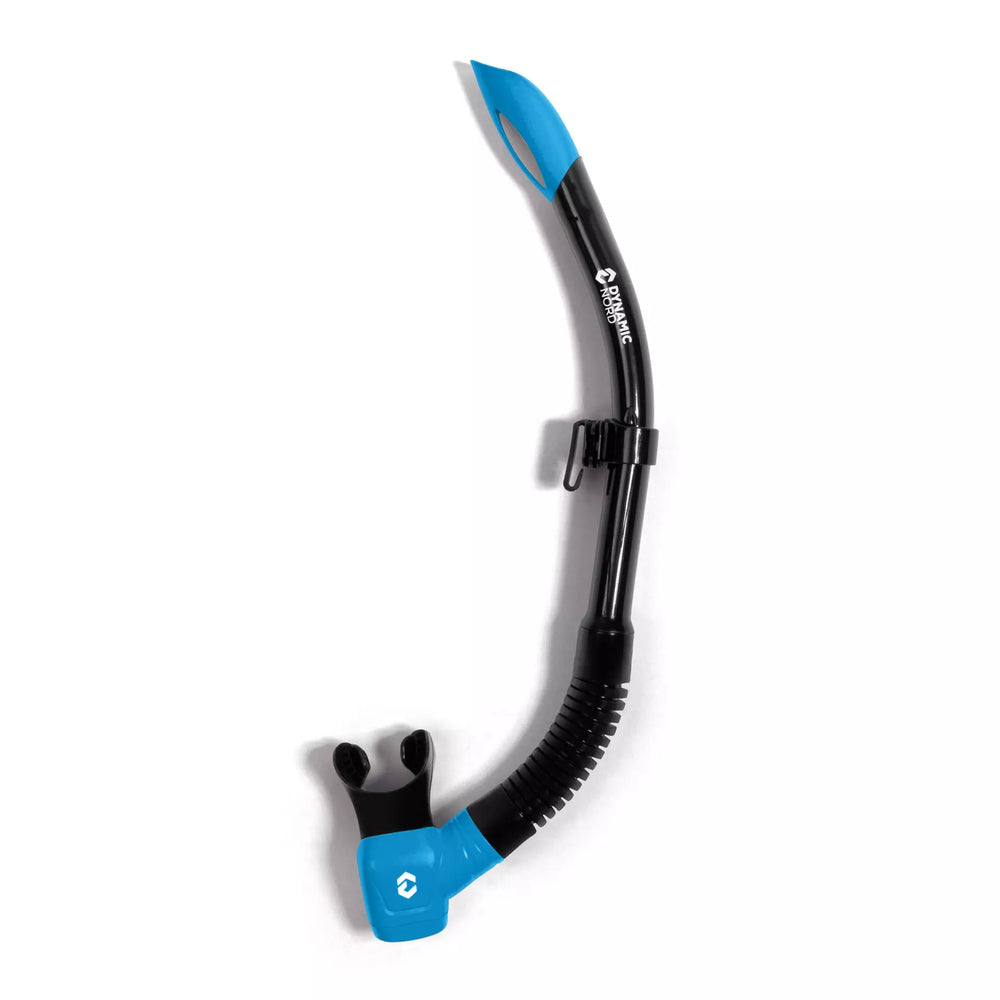
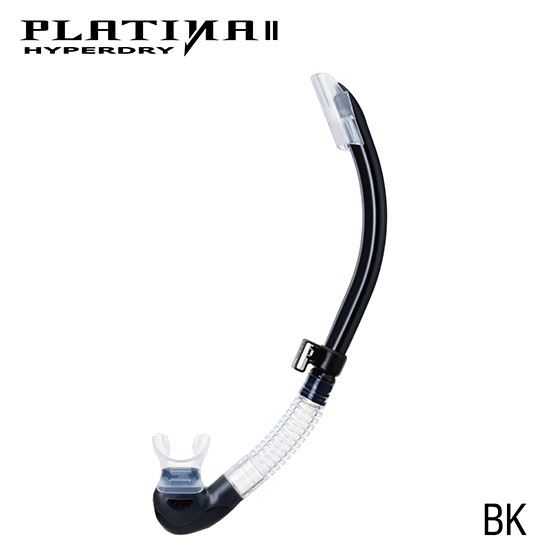
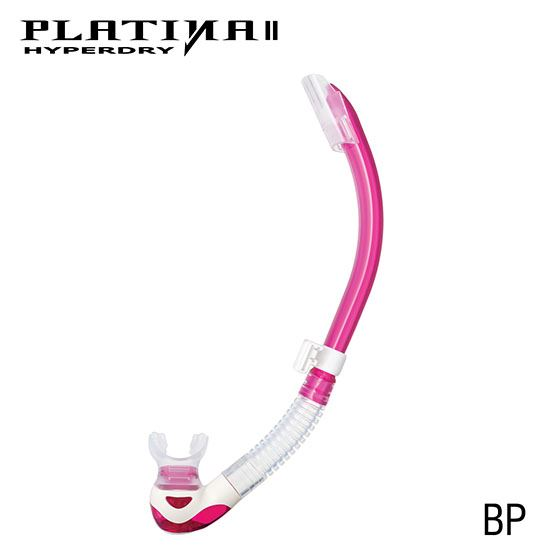
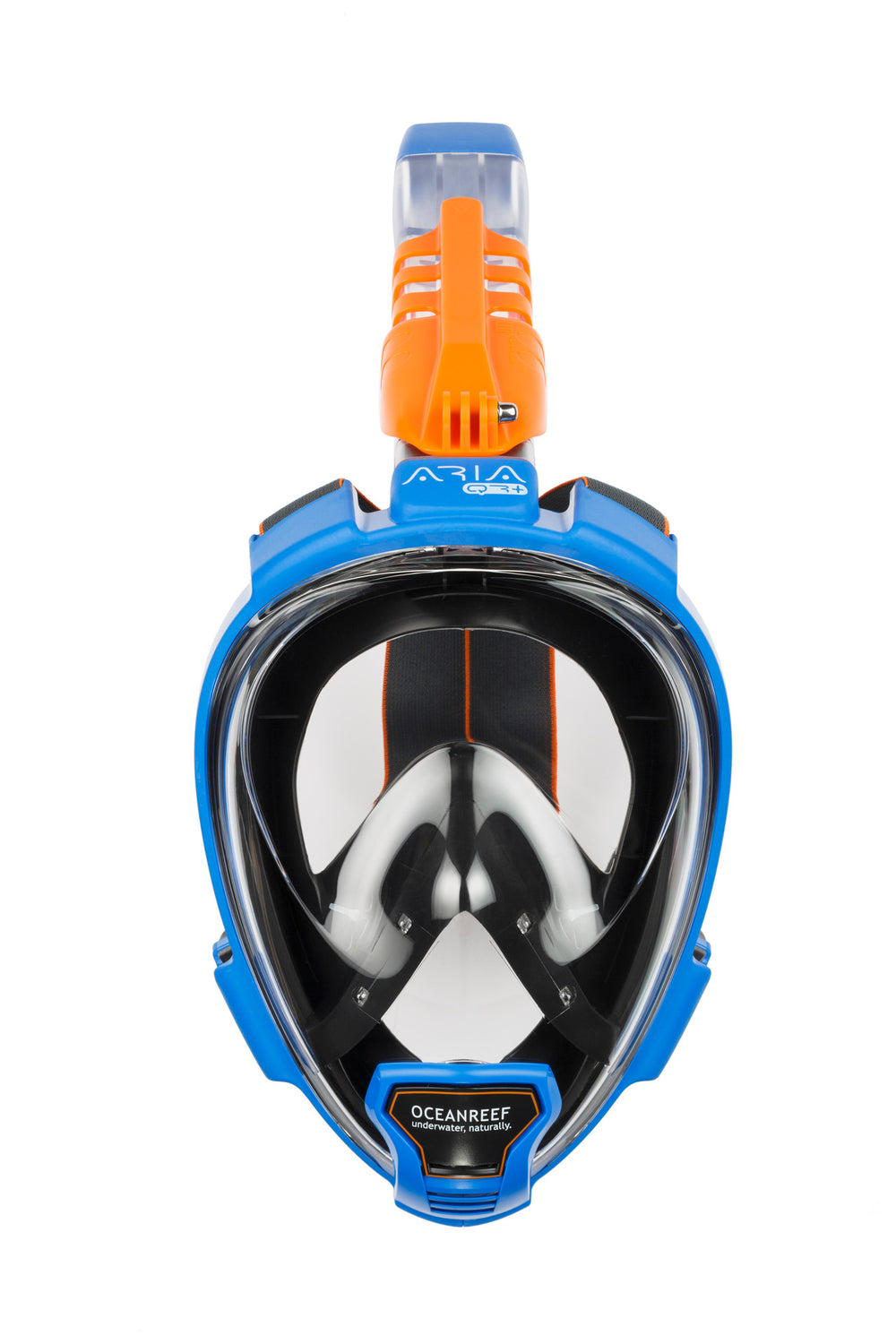
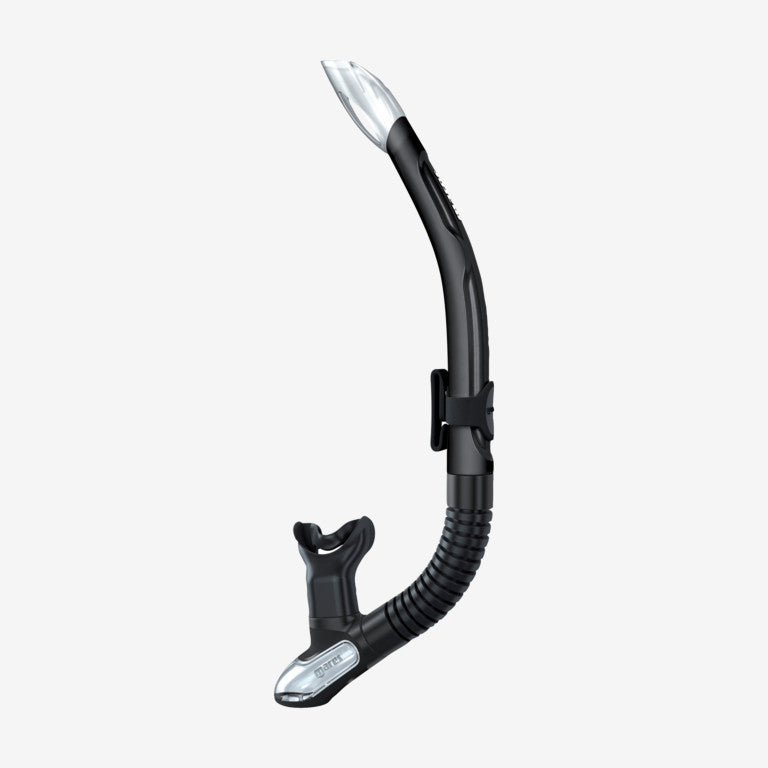
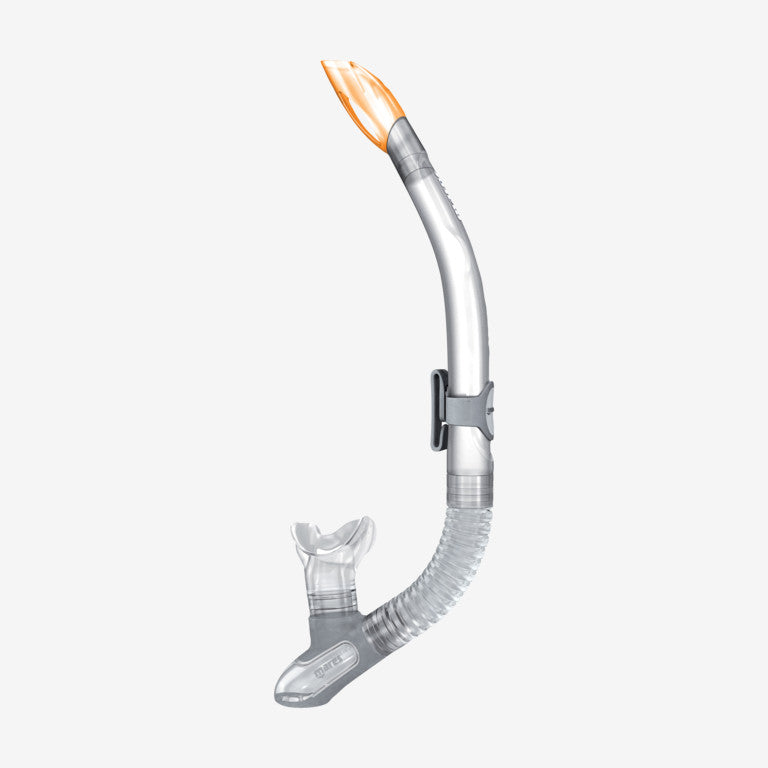
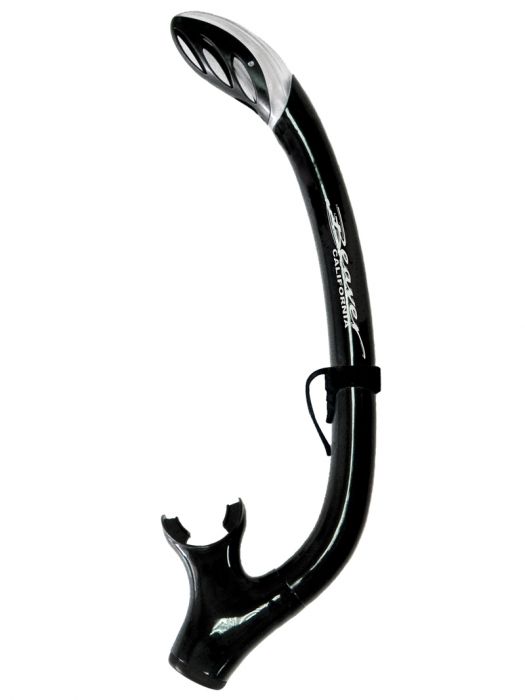
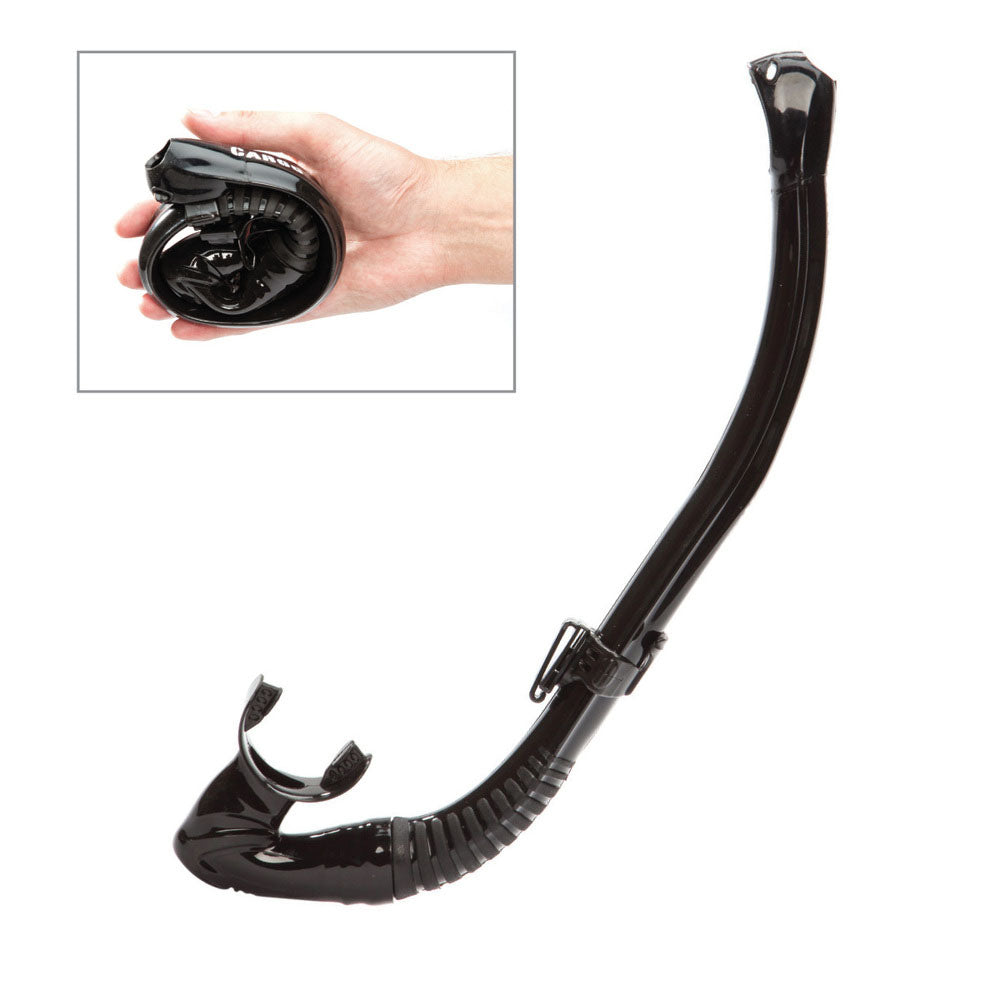
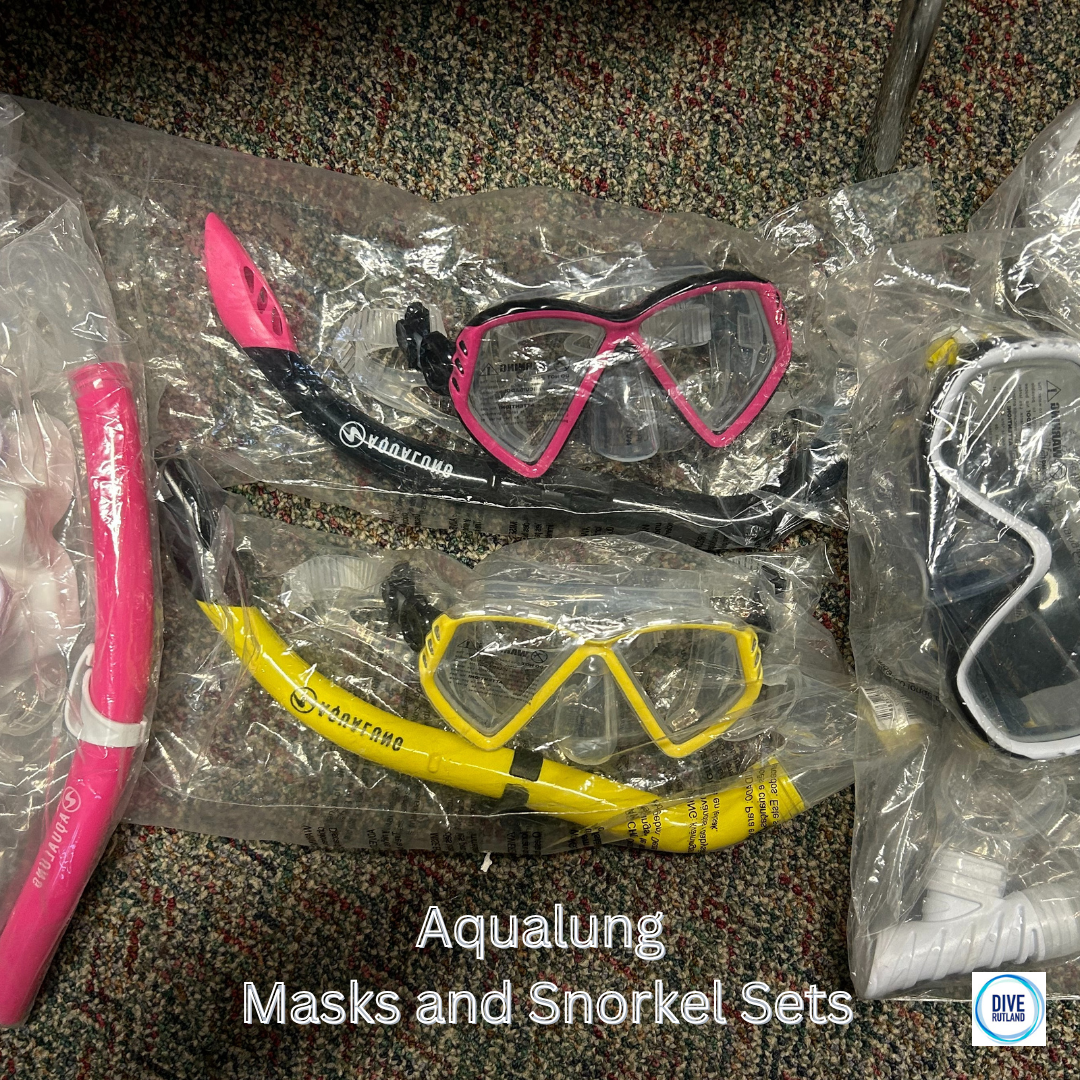
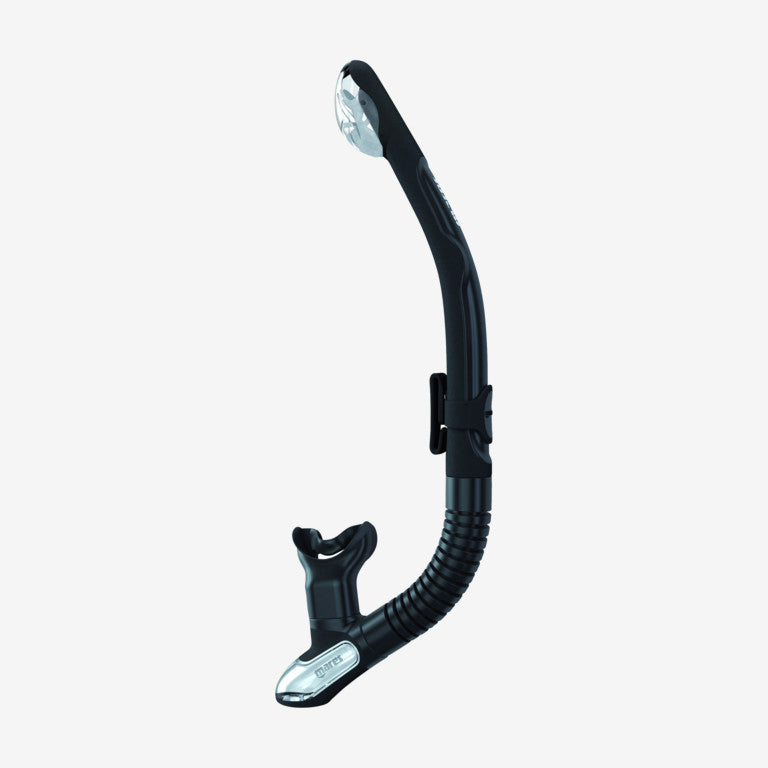
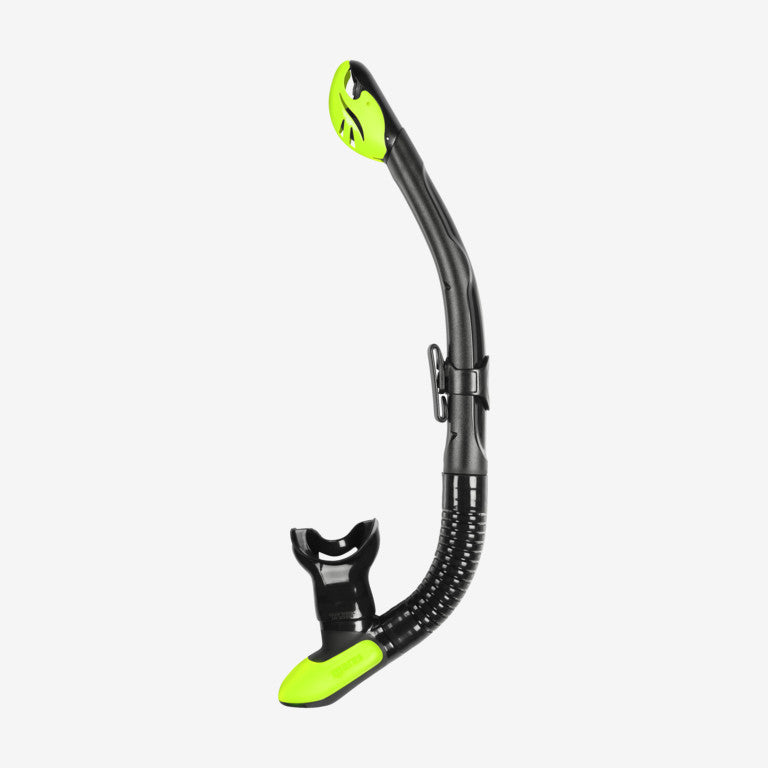
A classic snorkel is a simple open tube. A semi-dry snorkel adds a splash guard at the top to reduce water entry from waves and spray. A dry-top snorkel adds a float valve that closes the tube when it goes under the surface. Many snorkels also have a purge valve at the mouthpiece so you can clear water without taking it out of your mouth. Features vary by model, so check the manufacturer specification.
Usually not well. Junior masks are built on smaller frames with smaller skirts so they seal on a smaller face, and an adult mask on a child rarely seals properly. We stock junior masks, snorkel sets and fins. Fit is individual, so the most reliable approach is to bring your child in and try a few on.
New masks leave the factory with a residue on the inside of the lens, and until it is removed the lens will fog no matter what you put on it. The right way to prepare a lens depends on the mask, so ask us about yours rather than guessing. Once it is prepared, an anti-fog treatment before each session keeps it clear.