


Hoses and accessories

Expert advice
Talk to divers who use the kit we sell.
Servicing and repairs
Regulators, cylinders, drysuits, BCDs and computer batteries.
Rutland dive centre
A real shop in Oakham, with training and pool sessions.
UK delivery
Posted across the UK. Ask about lead times on special orders.


Frequently asked questions
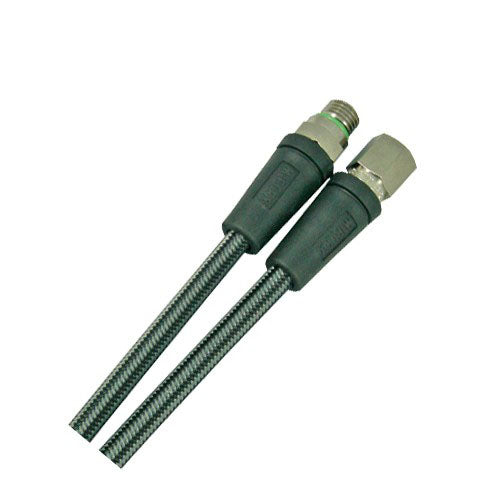
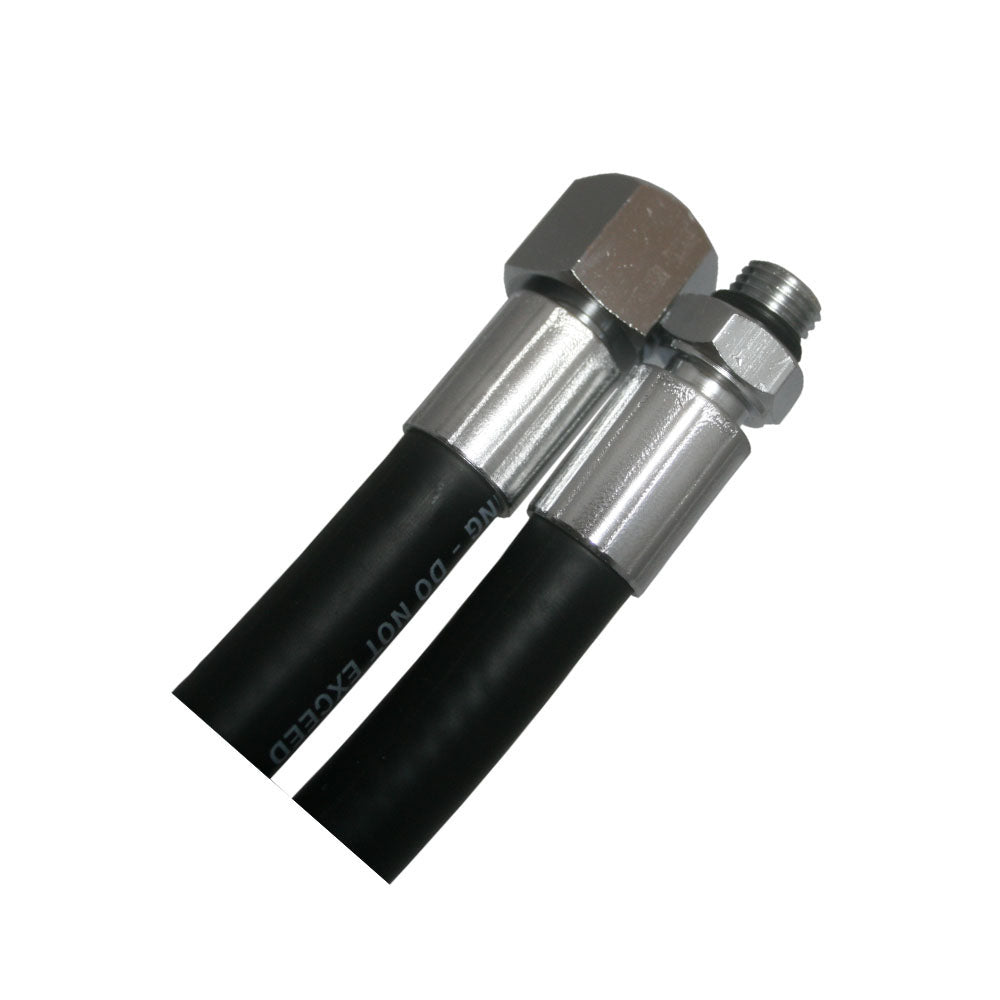
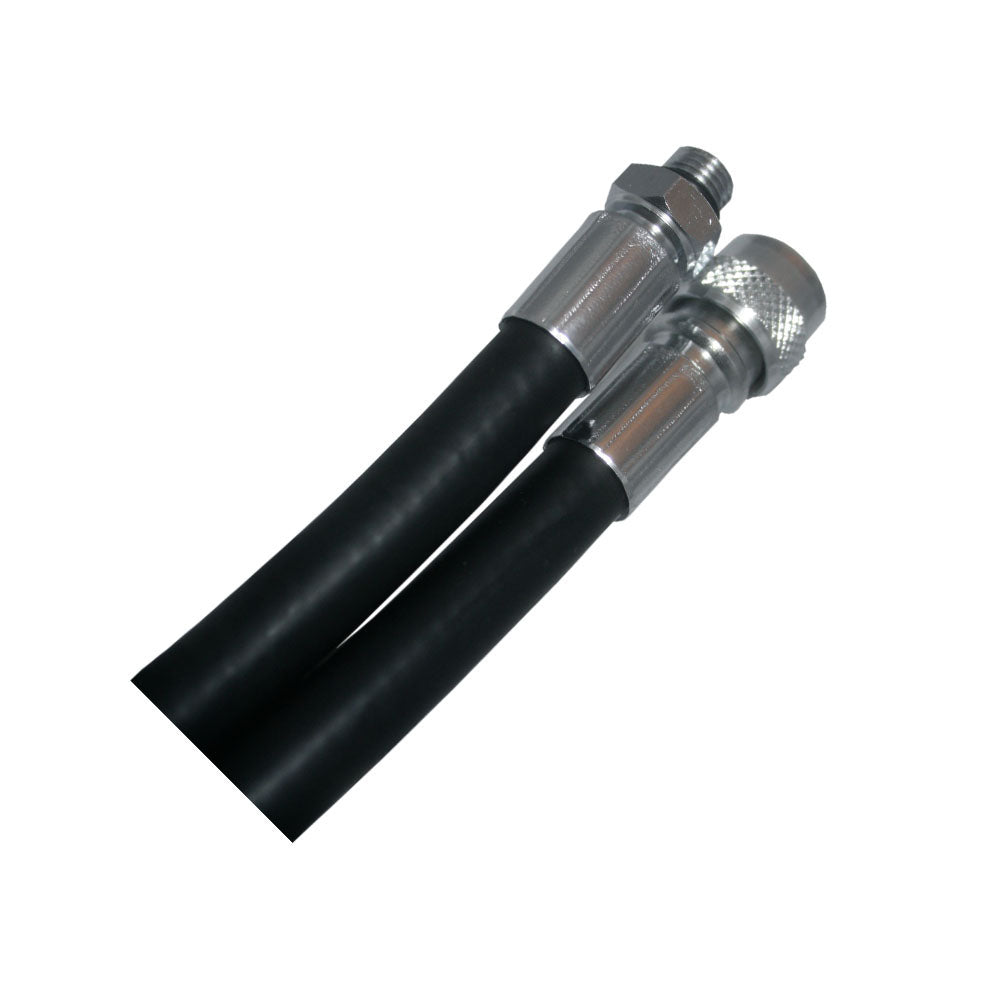
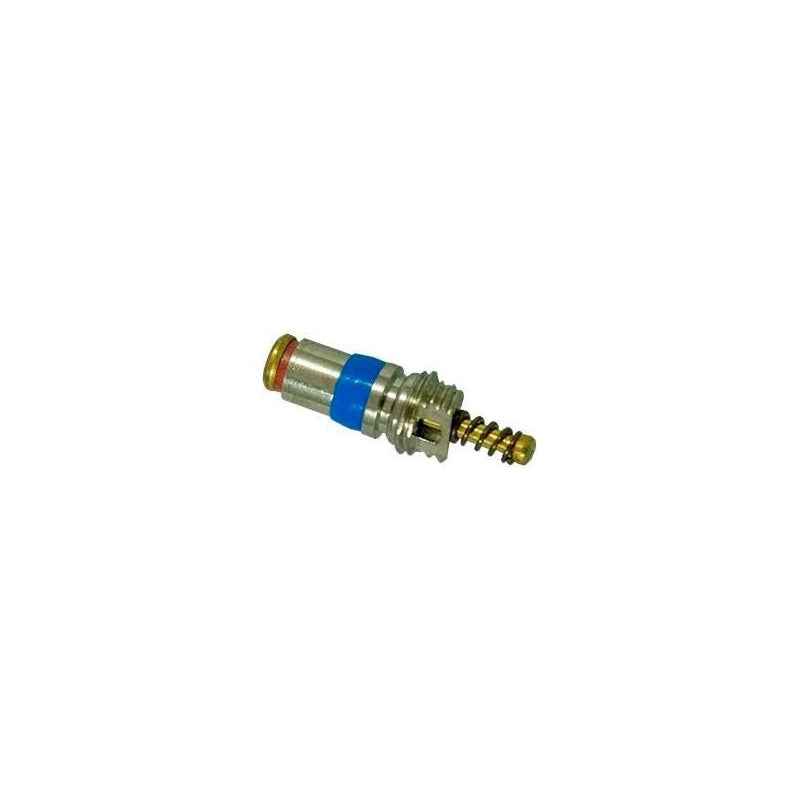
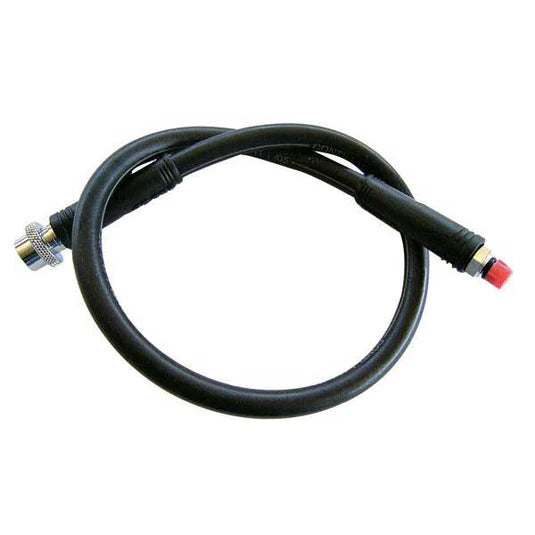
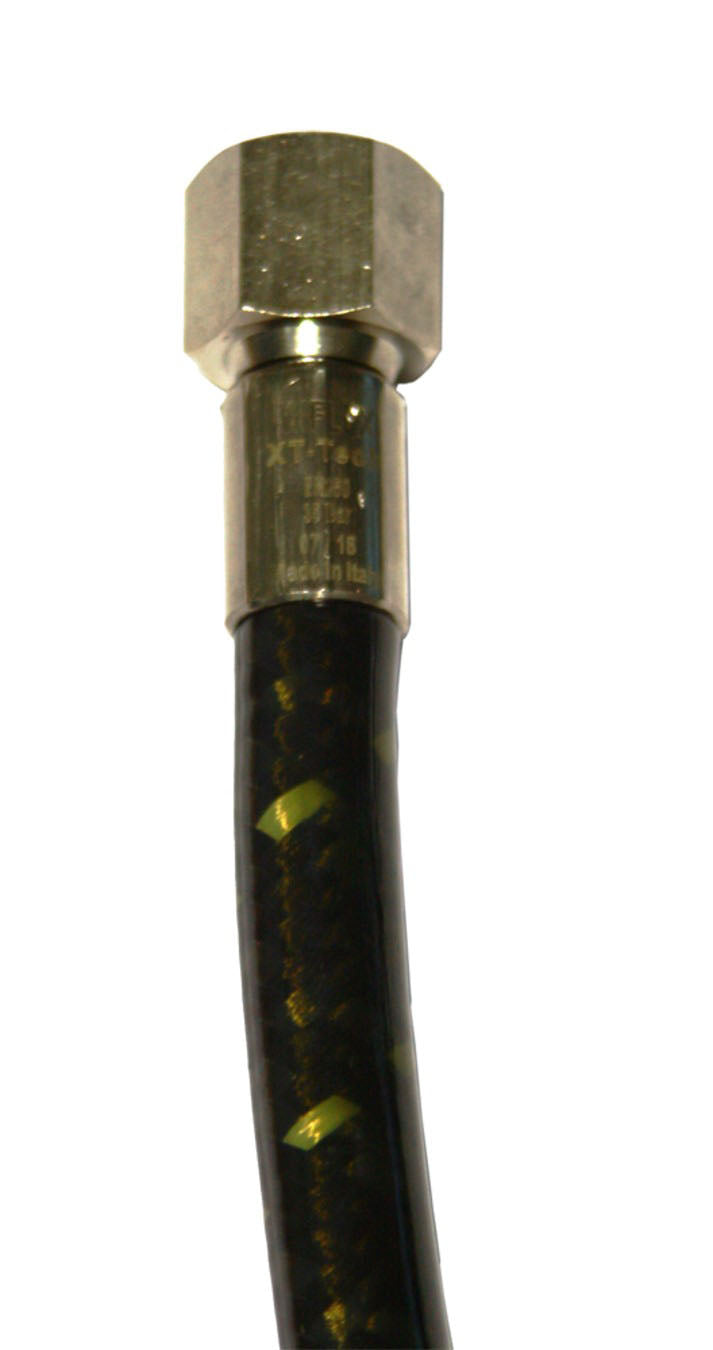
Hose end fittings vary by manufacturer, by model, and by the age of the regulator, so there is no single answer that covers the whole range. Regulator and octopus hoses generally use a threaded fitting at the first stage and a nut at the second stage, while BCD and drysuit inflator hoses use a quick-release coupling.
Check the manufacturer specification for both the hose and your regulator before ordering. If you would rather not guess, bring the regulator or the old hose into the shop and we will match it for you.
Check the manufacturer specification for both the hose and your regulator before ordering. If you would rather not guess, bring the regulator or the old hose into the shop and we will match it for you.
Hoses are normally measured end to end including the fittings, and manufacturing tolerances mean the finished length can vary slightly from the stated size. Check the individual product listing for exact sizing.
The length you need depends on your configuration: where the cylinder sits, whether you are diving a single, a twinset or sidemount, and how you route your hoses. If you are changing configuration, it is worth talking it through before you order.
The length you need depends on your configuration: where the cylinder sits, whether you are diving a single, a twinset or sidemount, and how you route your hoses. If you are changing configuration, it is worth talking it through before you order.
We recommend that hoses are fitted by a competent person or a service technician. Overtightening can damage both the hose and the regulator, and the correct torque is set by the hose manufacturer rather than being one figure that applies across every hose we sell, so check the manufacturer specification for the hose you have bought.
Never cut or modify a hose. If you would rather not do it yourself, our workshop can fit it and check the set over.
Never cut or modify a hose. If you would rather not do it yourself, our workshop can fit it and check the set over.
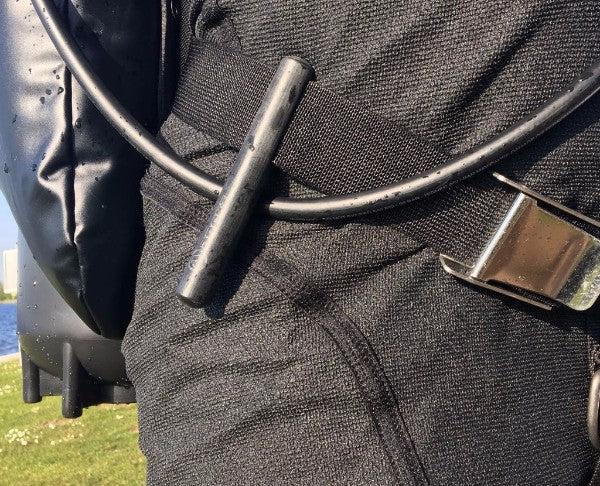
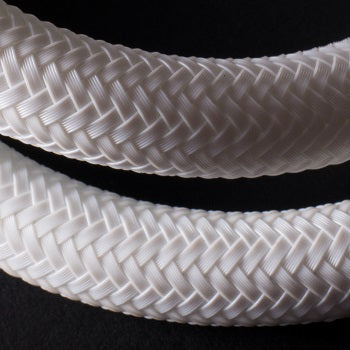
They keep hoses routed where you want them, which reduces snagging and stops a long hose flapping loose. Protectors also support the hose where it leaves the fitting, which is the point that sees the most flexing over the life of the hose.
We stock retainers, hooks, protectors and holders alongside the hoses themselves, so you can sort the routing at the same time as the hose.
We stock retainers, hooks, protectors and holders alongside the hoses themselves, so you can sort the routing at the same time as the hose.