
DPV's & Scooters

Diver propulsion vehicles and the parts that go with them, all from Suex. A DPV changes what a dive can cover: longer transits, more time on the site itself, and far less work getting there. It is also powered equipment that deserves proper training and careful handling, and we would far rather talk that through with you before you buy than afterwards.

Suex DPV attached to a diver diving
  • Expert advice

    Talk to divers who use the kit we sell.

  • Servicing and repairs

    Regulators, cylinders, drysuits, BCDs and computer batteries.

  • Rutland dive centre

    A real shop in Oakham, with training and pool sessions.

  • UK delivery

    Posted across the UK. Ask about lead times on special orders.

Filter

    What a DPV changes

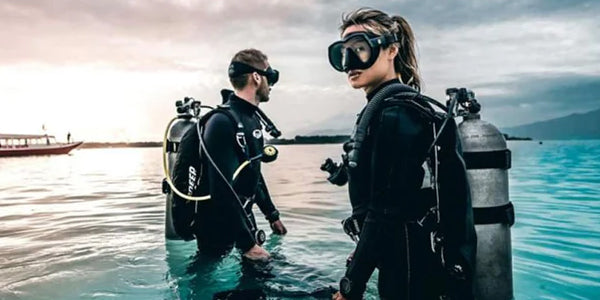
    A diver propulsion vehicle tows you through the water instead of you finning. On a large site that means reaching the part you came for with gas and energy to spare, and it means covering ground that would otherwise be out of range altogether. It also changes how you plan, because your distance from the exit is no longer set by how far you can comfortably swim.

    Training comes first

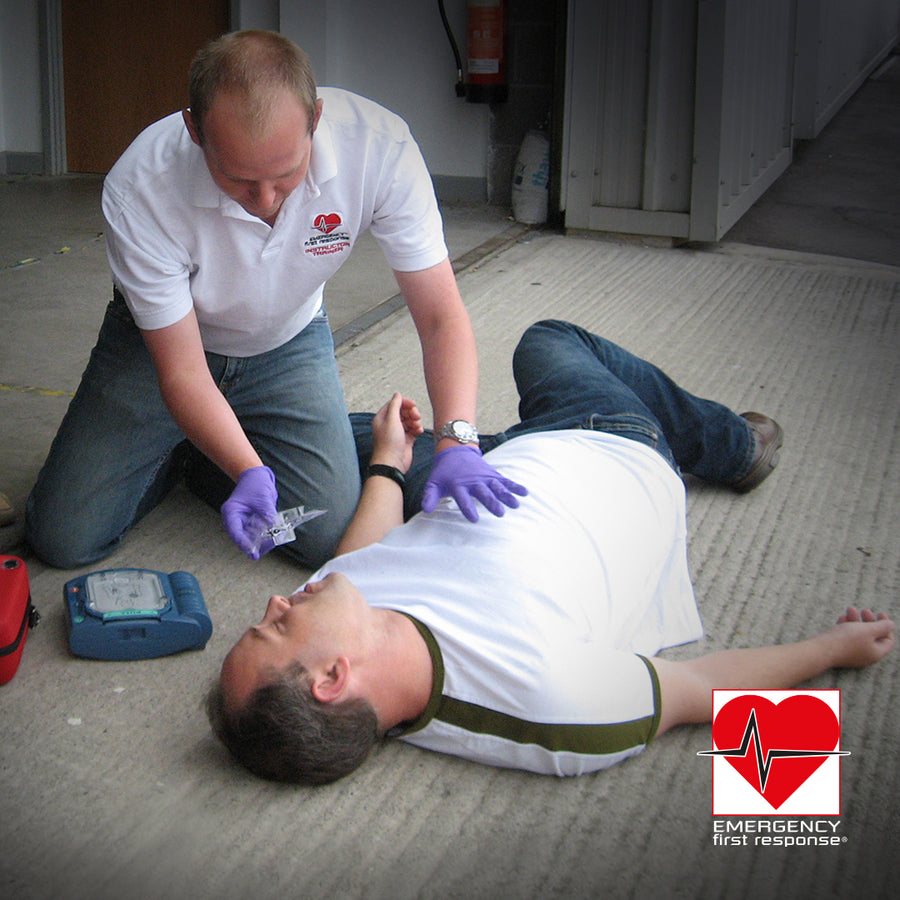
    A DPV is powered equipment and it should be treated as such. Handling one safely - trim under tow, towing position, what you do when a unit stops working partway through a dive, and planning a route you can still swim back along - is taught, not guessed at. If you have not been trained on one, book the training before you buy the scooter. Our diving specialities are the place to start.

    Suex at Dive Rutland

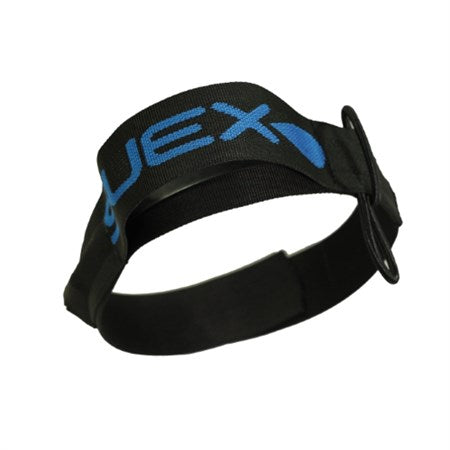
    The scooters and accessories on this page are Suex, alongside the ERON D-1 dashboard and Suex carry and cold water handles and covers. Differences between models matter - hull, handling, how the unit is carried and stored - so read the manufacturer specification for the model you are considering, and talk to us about how it fits the diving you actually do rather than the diving in the brochure.

    Batteries, servicing and storage

    Battery type, charging routine, servicing intervals and storage requirements vary by model and are set by the manufacturer. Follow the documentation that comes with your unit. If you are planning to travel with a DPV, check the rules directly with your airline and with the dive operator well in advance, because they differ between carriers and they change.

    Frequently asked questions

    You should have it. A diver propulsion vehicle is powered equipment that moves you through the water faster than you can swim, and the skills that matter are taught rather than picked up: trim while under tow, managing a unit that stops working partway through a dive, and planning distance from your exit. We run diving specialities and can advise which one fits what you want to do.
    That depends on the model, the battery fitted, how you are diving it and the conditions on the day, so we are not going to quote a figure here. Check the manufacturer specification for the model you are looking at. More importantly, plan the dive on your gas and your route back to the exit, not on what the scooter is expected to manage.
    Rules for carrying units with batteries vary by airline, by route and over time, and dive operators and liveaboards often have their own requirements on top. Check directly with your airline and with the operator you are diving with, well before you travel. We cannot give a general answer that would still be right by the time you fly.
    This collection includes Suex carry and cold water handles, a cover and the ERON D-1 dashboard. What you actually need depends on the unit and on how you dive it, and cold water gloves in particular change which handle works for you. Tell us your model and we will go through it with you.