
Hoods

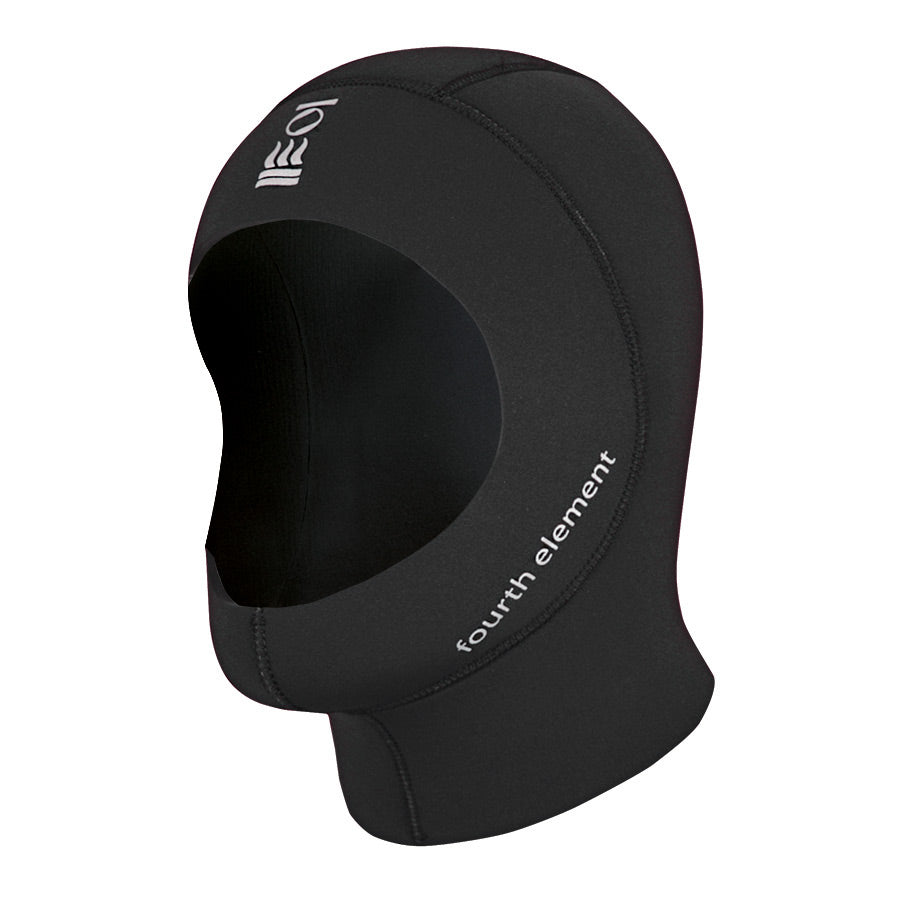
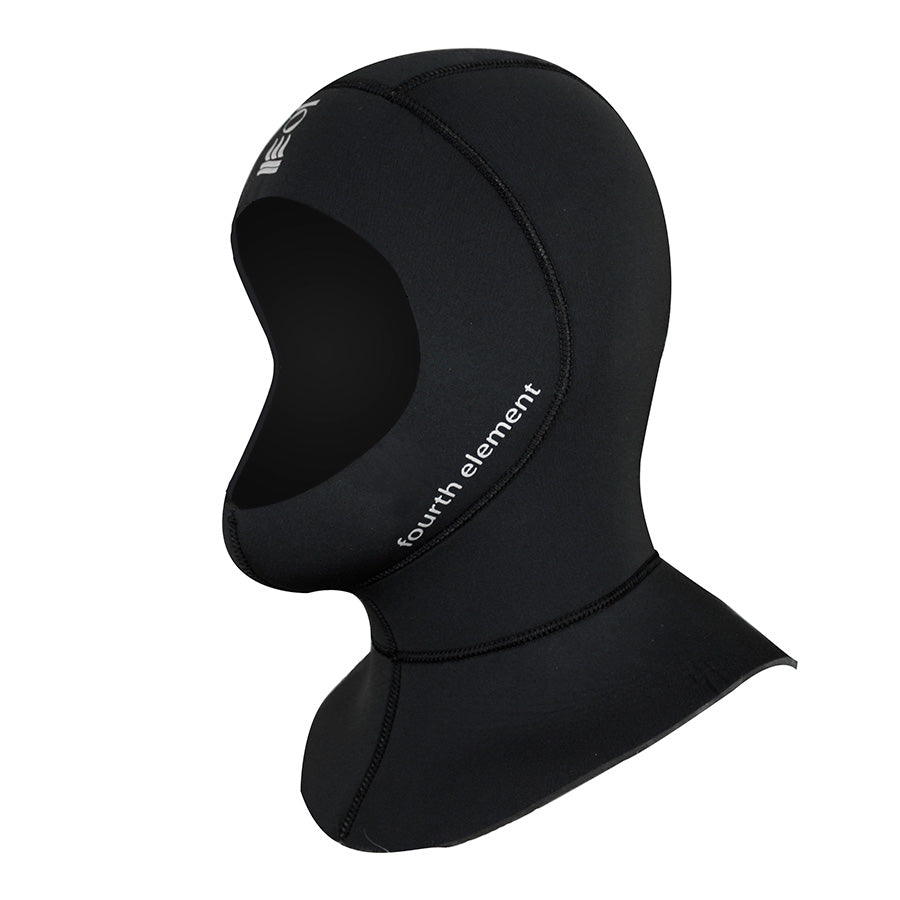
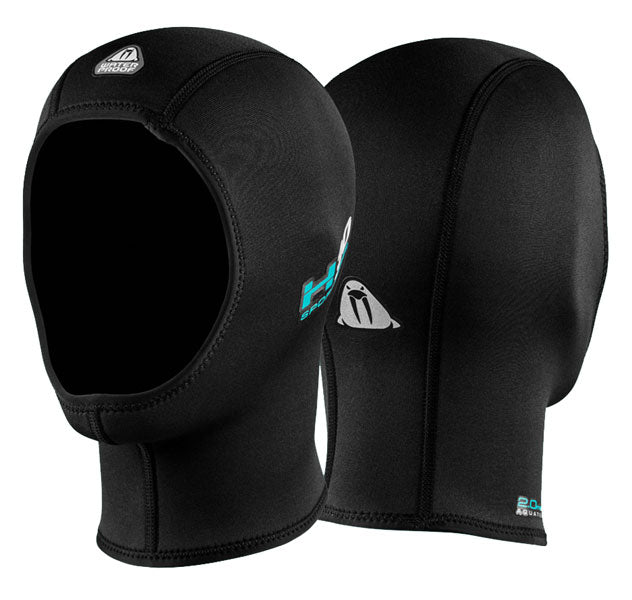
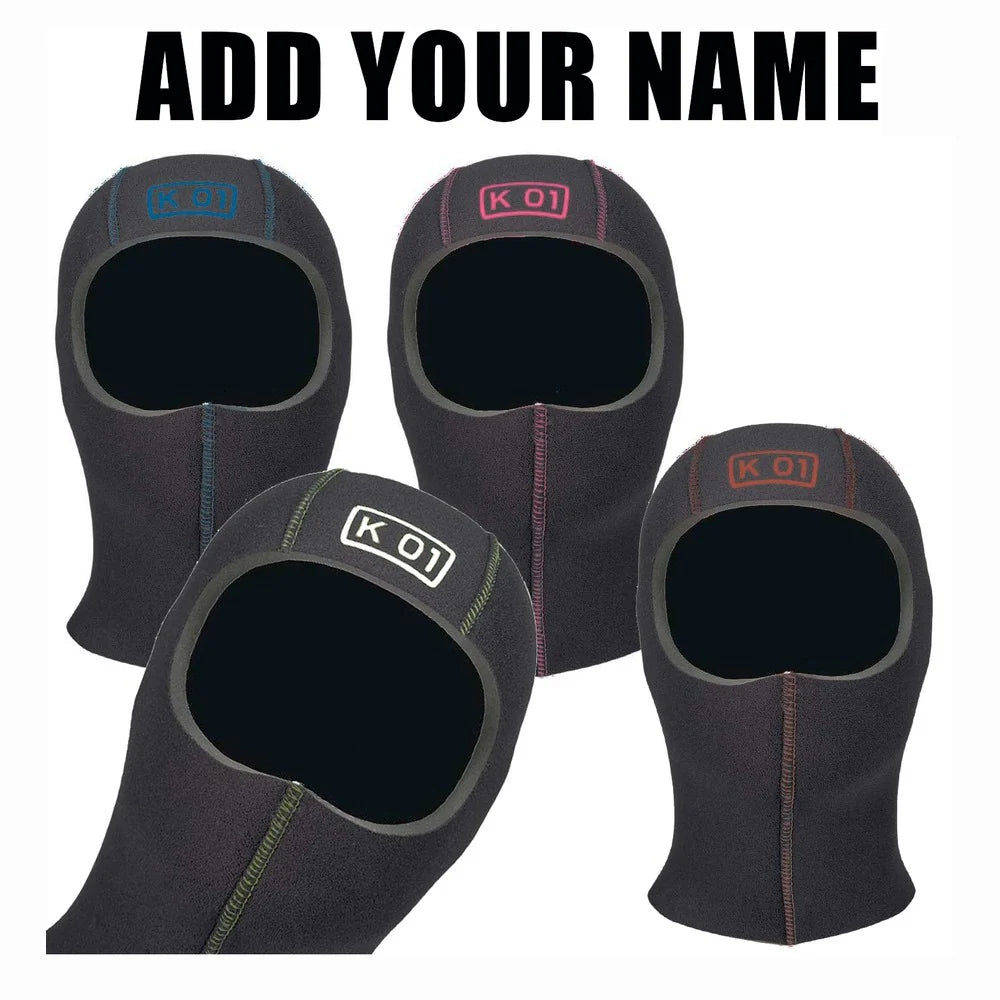
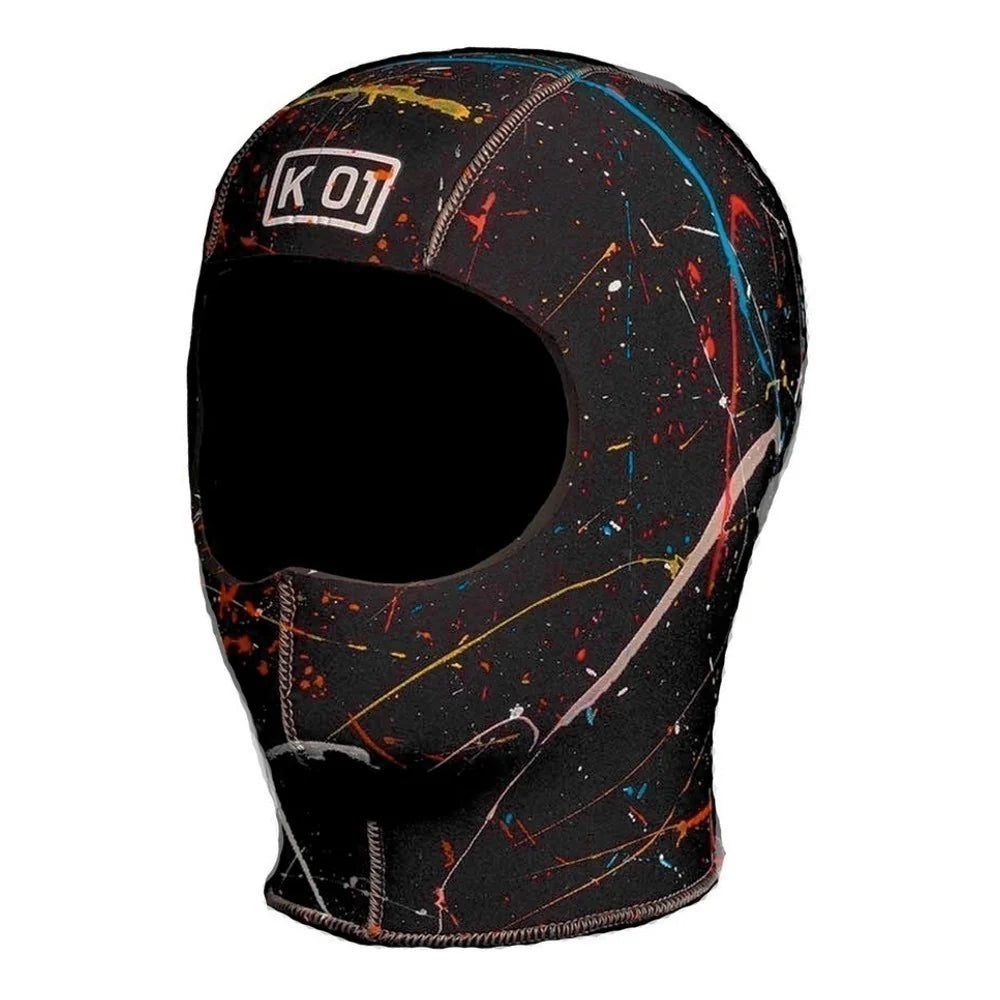
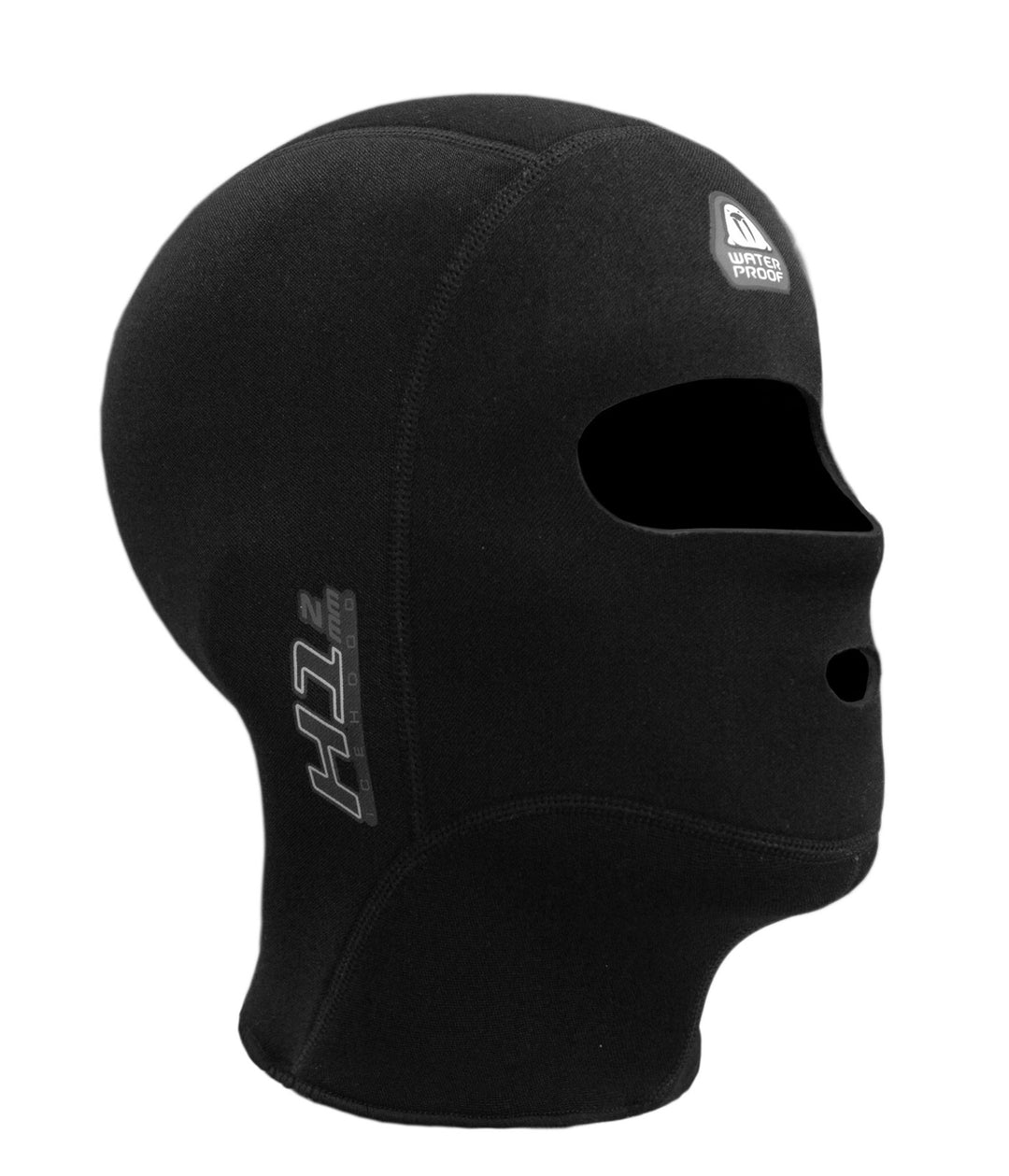
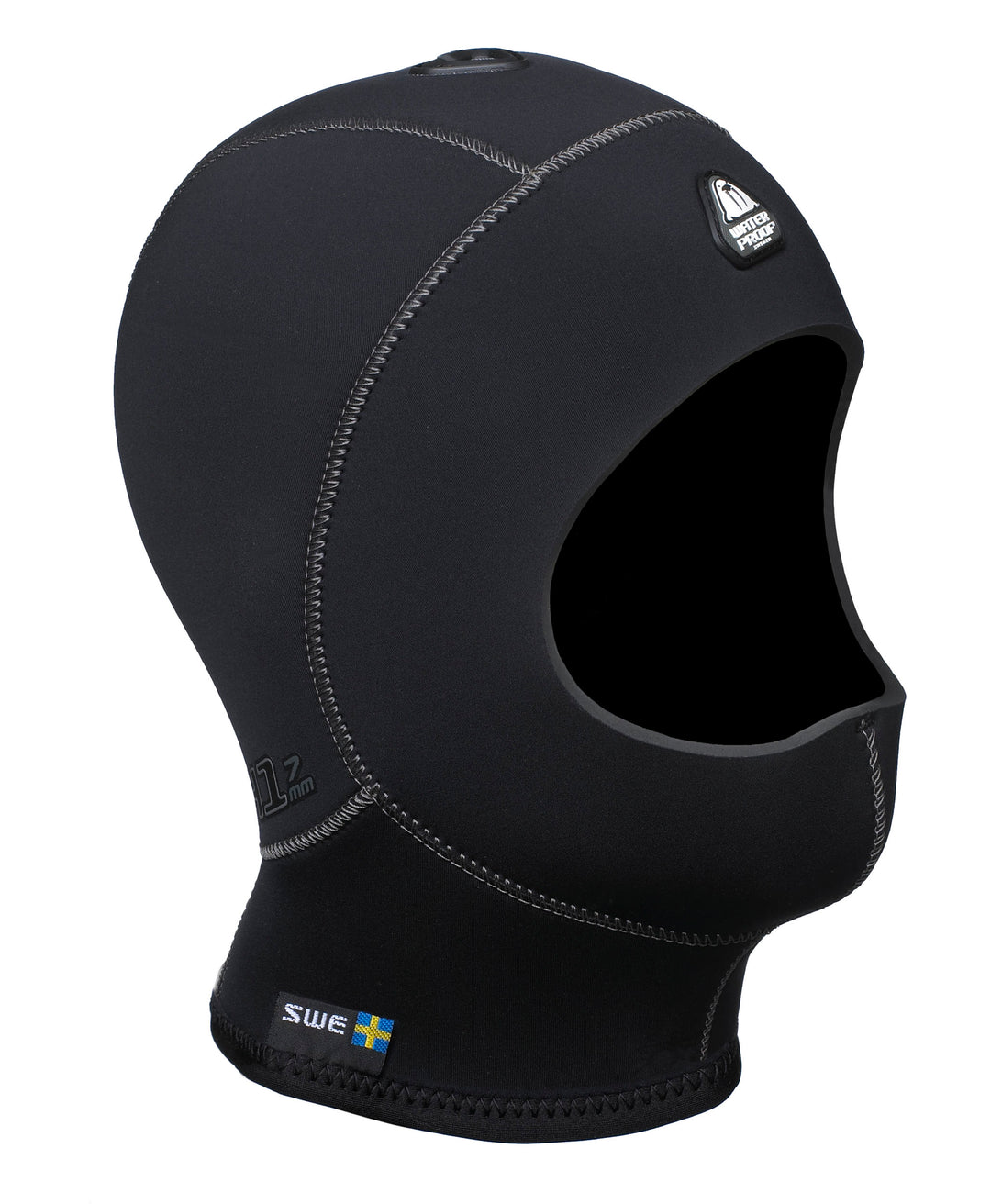
A hood is the smallest piece of exposure protection you will buy and one of the most noticeable when it is wrong. We stock hoods from Aqualung, Fourth Element, K01, Santi and Waterproof, in bibbed and bibless styles across a range of thicknesses. Fit is what decides whether one works: a hood that is too loose lets water flush through, and one that is too tight is uncomfortable long before the dive ends.

Diver wearing a neoprene hood and mask in cold water
  • Expert advice

    Talk to divers who use the kit we sell.

  • Servicing and repairs

    Regulators, cylinders, drysuits, BCDs and computer batteries.

  • Rutland dive centre

    A real shop in Oakham, with training and pool sessions.

  • UK delivery

    Posted across the UK. Ask about lead times on special orders.

Filter

    What a hood is actually doing

    Water moving across your head and neck is what takes warmth away, and a hood's job is to stop that water moving. One that seals holds a still layer against your skin. One that gapes lets cold water flush through every time you turn your head, which is why fit does more work here than the number printed on the label.

    Bibbed or bibless

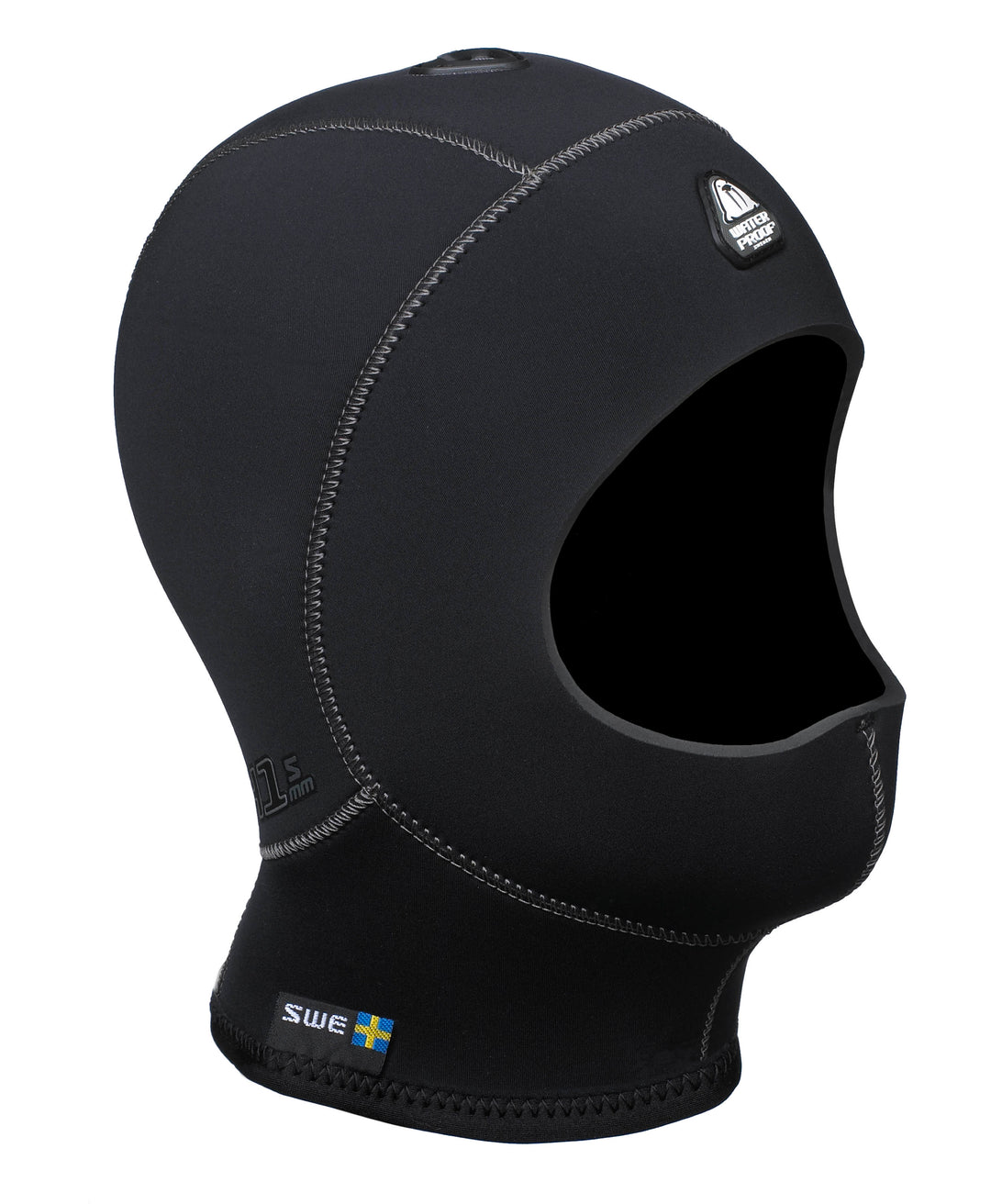
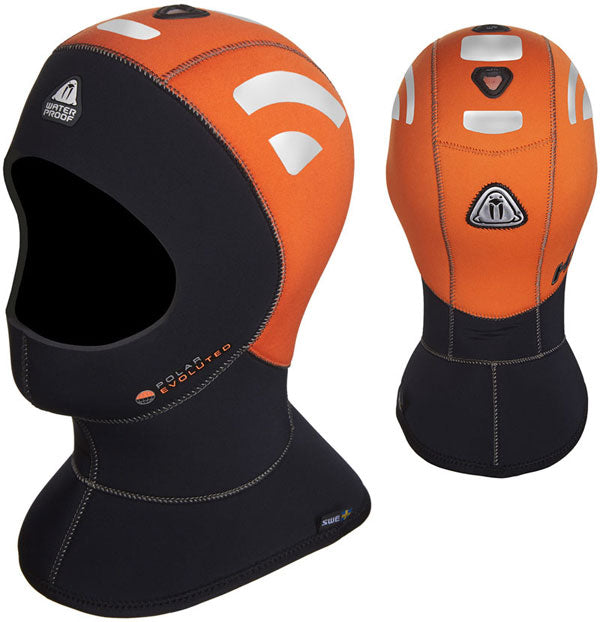
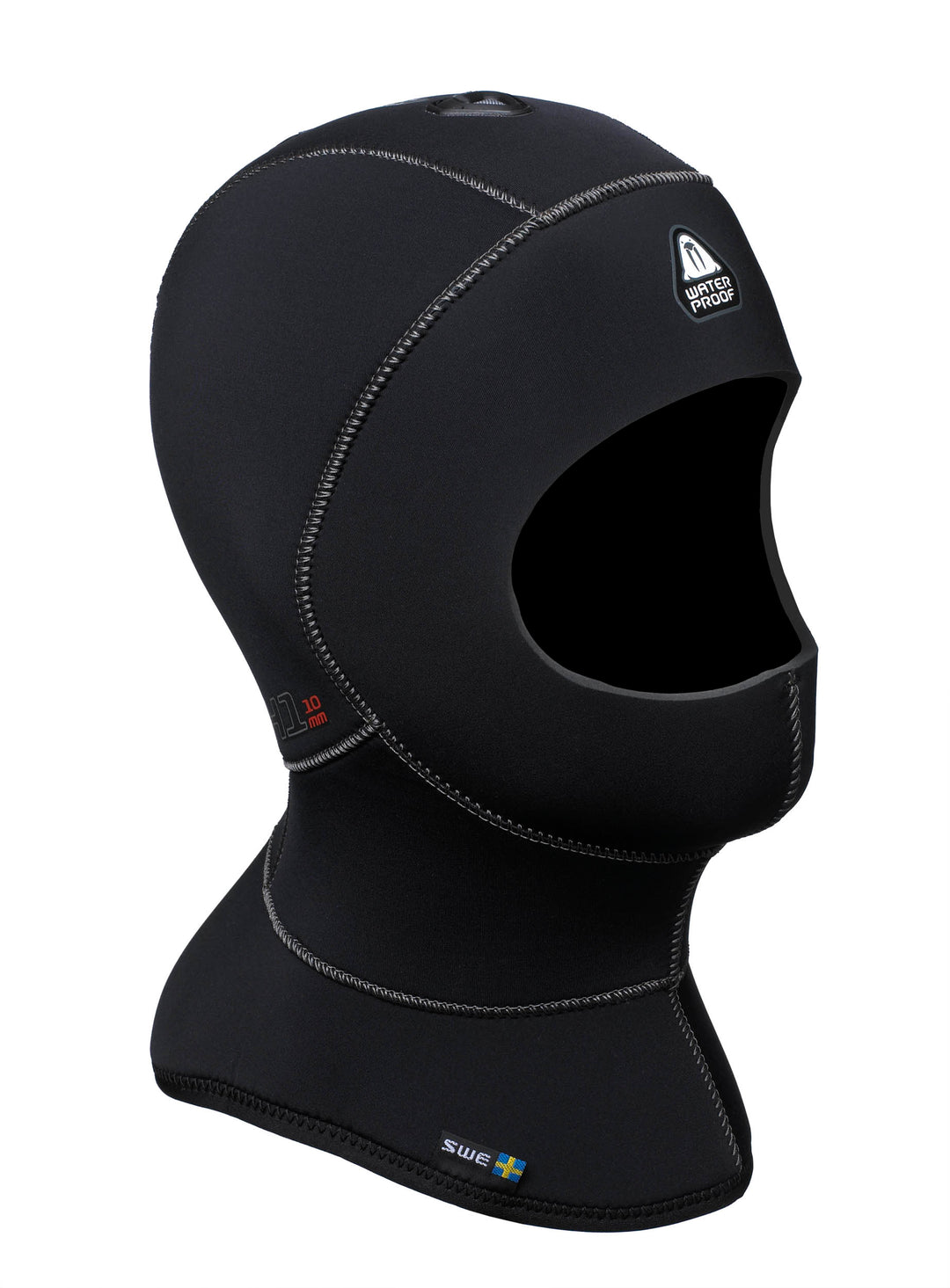
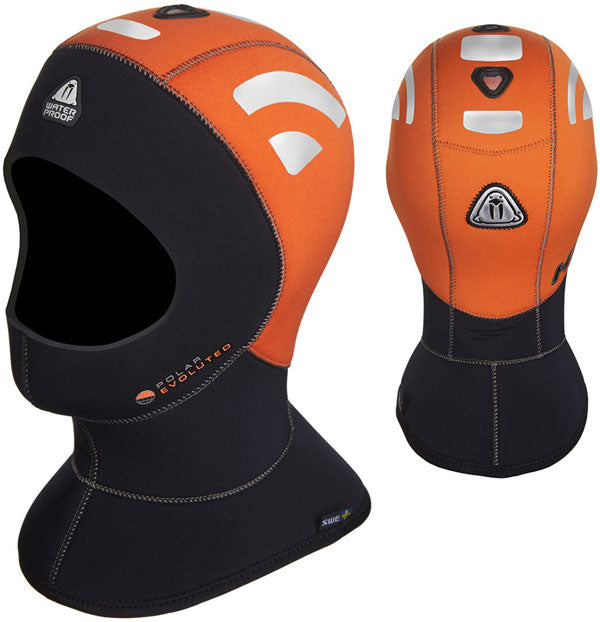
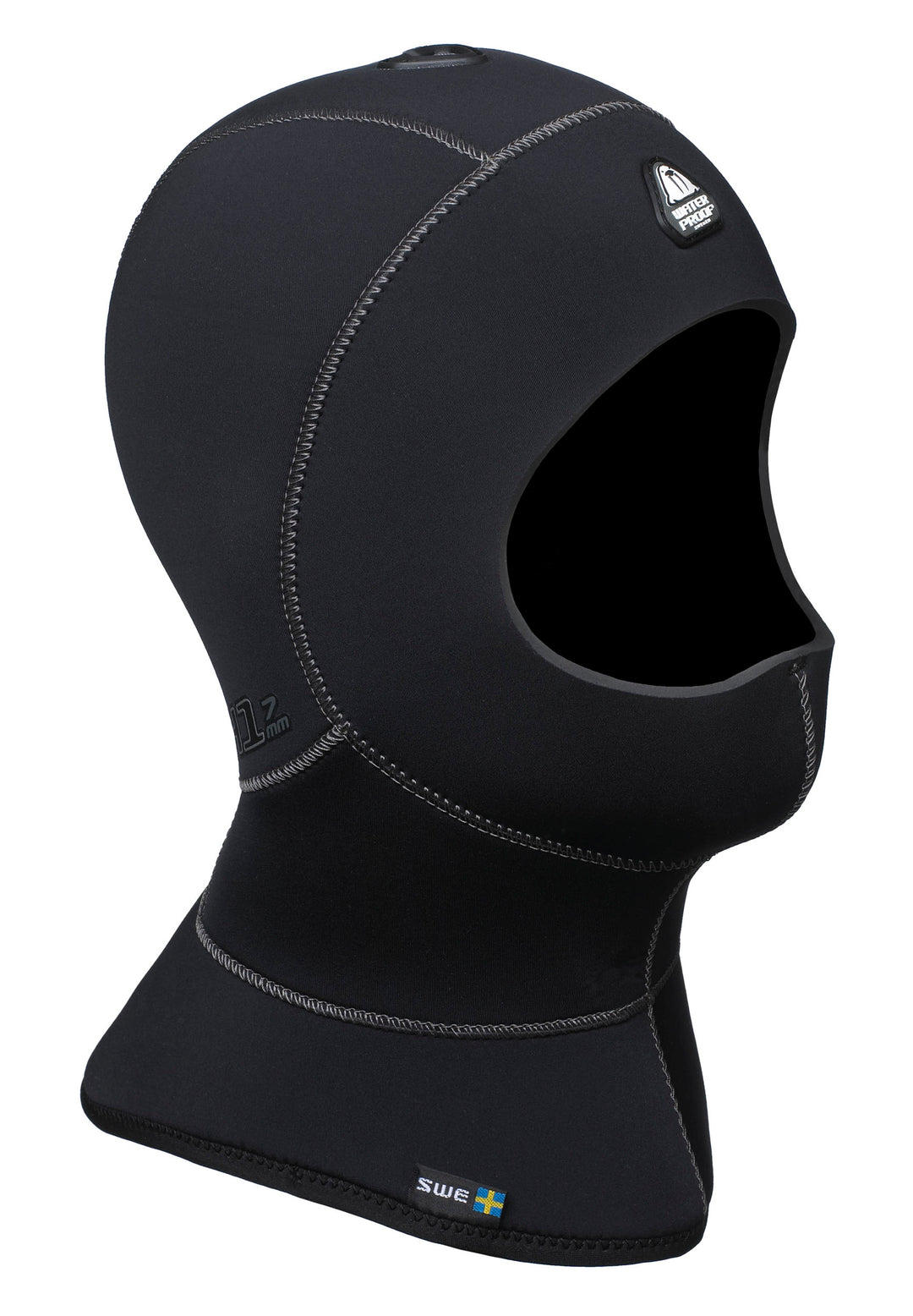
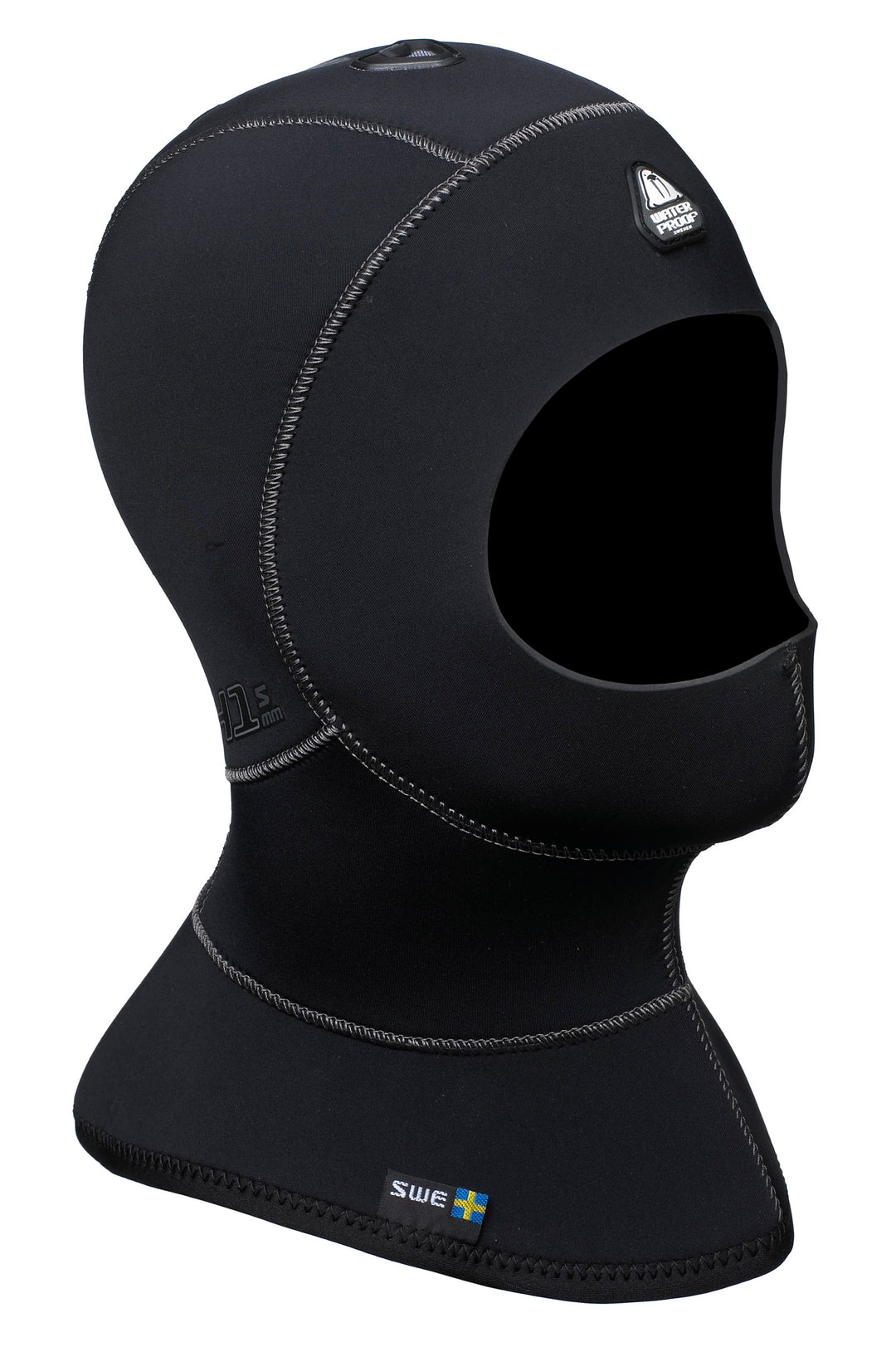
    A bibbed hood has a skirt that tucks under a wetsuit collar or a drysuit neck seal, closing the gap at the neck where flushing usually starts. A bibless hood stops at the neckline and is faster to get on and off, which suits some drysuit divers because the neck seal already closes that gap. We stock both.

    Thickness and materials

    Thicker neoprene generally means more insulation and less flexibility, and our range runs from thin warm-water hoods through to heavier cold-water designs. Not everything here is neoprene either, as some hoods use thermal fabrics that behave differently in the water. There is no single correct thickness, so check the manufacturer specification for the hood you are looking at and match it to the diving you actually do.

    Our guide to hoods and gloves for UK cold water diving goes through this in more detail.

    Ears, seals and comfort

    A hood should seal at the face and the neck without squeezing. Some divers find a tight hood over the ears makes equalising harder, and a number of designs vent for exactly that reason. If you have had trouble equalising before, say so when you are trying hoods on. There are also hair protector hoods if that is the problem you are trying to solve.

    What we stock

    Hoods from Aqualung, Fourth Element, K01, Santi and Waterproof, in bibbed and bibless styles across a range of thicknesses. Tell us which suit you dive and we can narrow it down quickly, because the hood has to work with your collar or neck seal rather than on its own.

    Frequently asked questions

    A bibbed hood has a skirt that tucks under a wetsuit collar or a drysuit neck seal, which helps close the gap at the neck where water tends to flush in. A bibless hood stops at the neckline and is quicker to get on and off, which some drysuit divers prefer because the suit's neck seal already covers that gap. We stock both, and which one suits you depends mainly on the suit you dive in. Ask us if you are not sure.
    There is no single answer, and we would be wary of anyone who gives you one. It depends on where you dive, the time of year, how long you stay in, and how much you personally feel the cold. Our range runs from thin warm-water hoods through to heavier cold-water designs. Check the manufacturer specification for the hood you are considering, and talk to us about the diving you actually do rather than the diving you might do one day.
    It can do for some divers. A hood that presses tightly over the ears can trap air against them, and a number of designs include venting to reduce that. It is not something every diver notices and it is not a reason to dive without a hood in cold water. If you have had trouble equalising before, mention it when you are trying hoods on so we can pay attention to the fit around your ears.
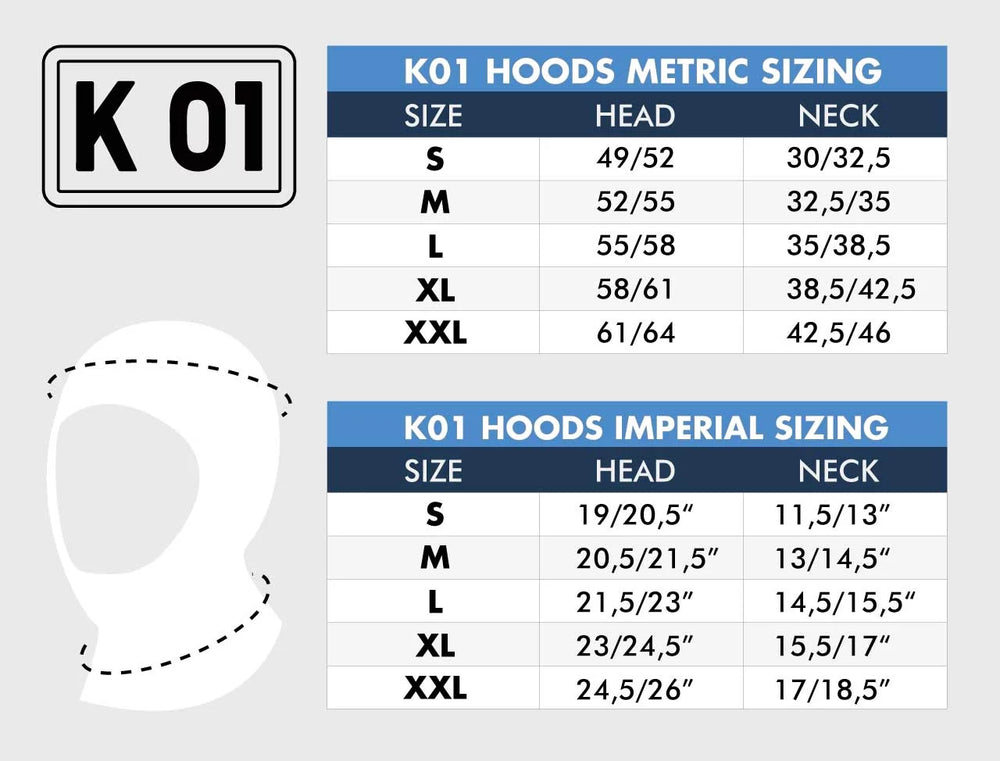
    Snug the whole way round, sealing at the face and at the neck, without pinching or restricting your jaw or your breathing. You should be able to turn your head without breaking the seal. If a hood already feels uncomfortably tight while you are standing in the shop, it will feel worse an hour into a dive. Sizing varies between manufacturers, so check the manufacturer specification rather than assuming your size carries across brands.