



Cylinders & Valves

Expert advice
Talk to divers who use the kit we sell.
Servicing and repairs
Regulators, cylinders, drysuits, BCDs and computer batteries.
Rutland dive centre
A real shop in Oakham, with training and pool sessions.
UK delivery
Posted across the UK. Ask about lead times on special orders.




Frequently asked questions
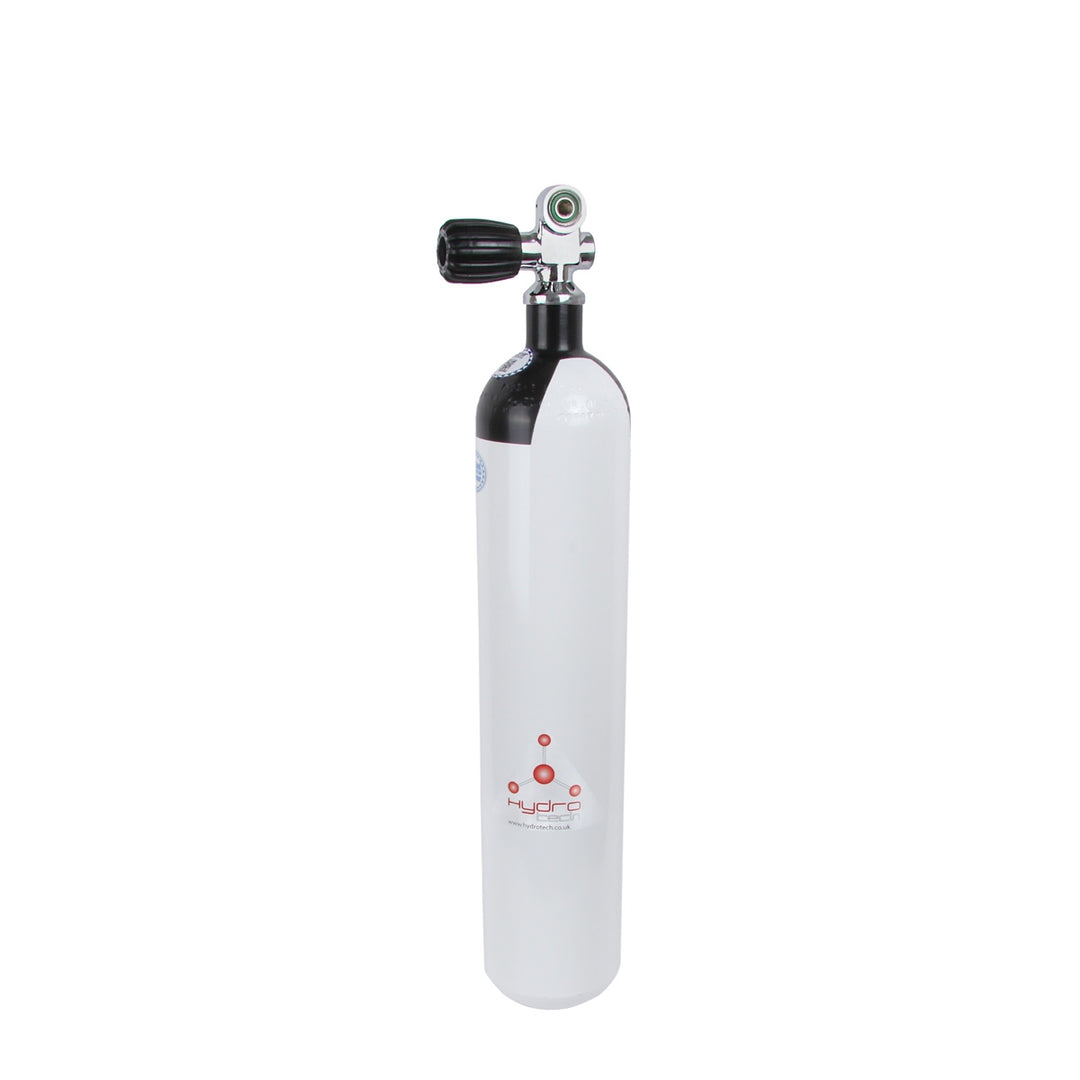
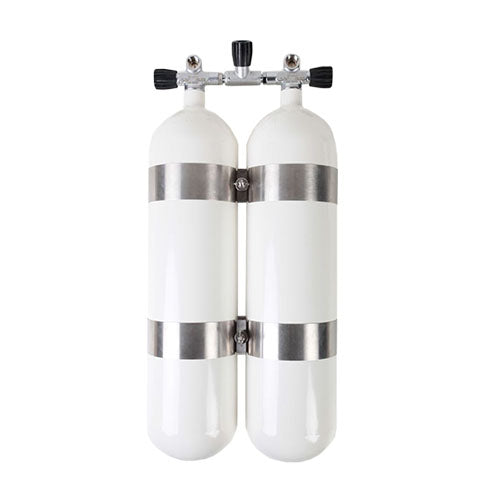
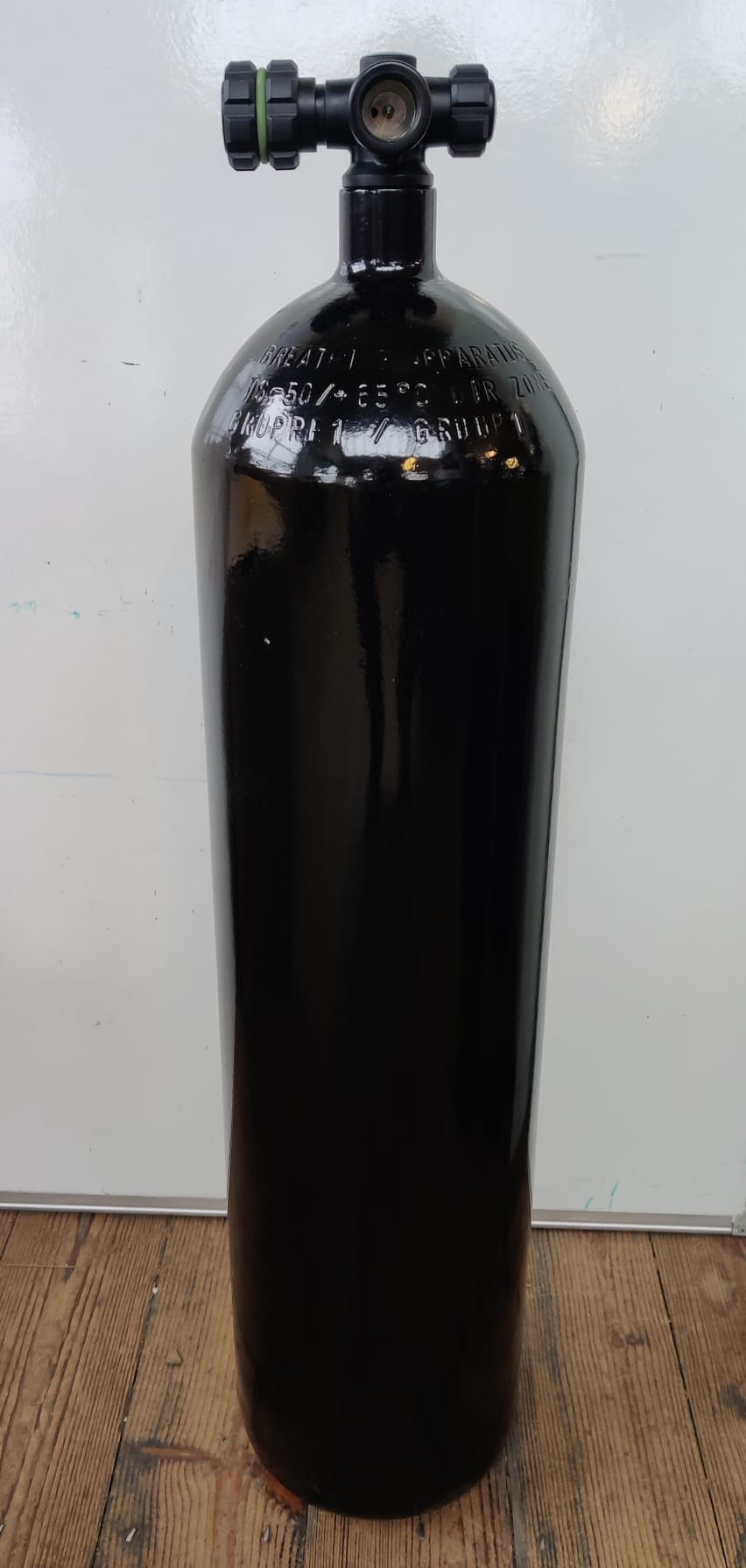
It comes down to your gas consumption, the depth and duration you actually dive, and how the cylinder sits on you in the water. Capacity, working pressure, diameter, length and weight all vary from model to model, so check the manufacturer specification for the cylinder you are considering rather than assuming figures carry across. If you would like help matching a cylinder to the diving you do, talk to us — we dive these waters ourselves and can walk you through the options.
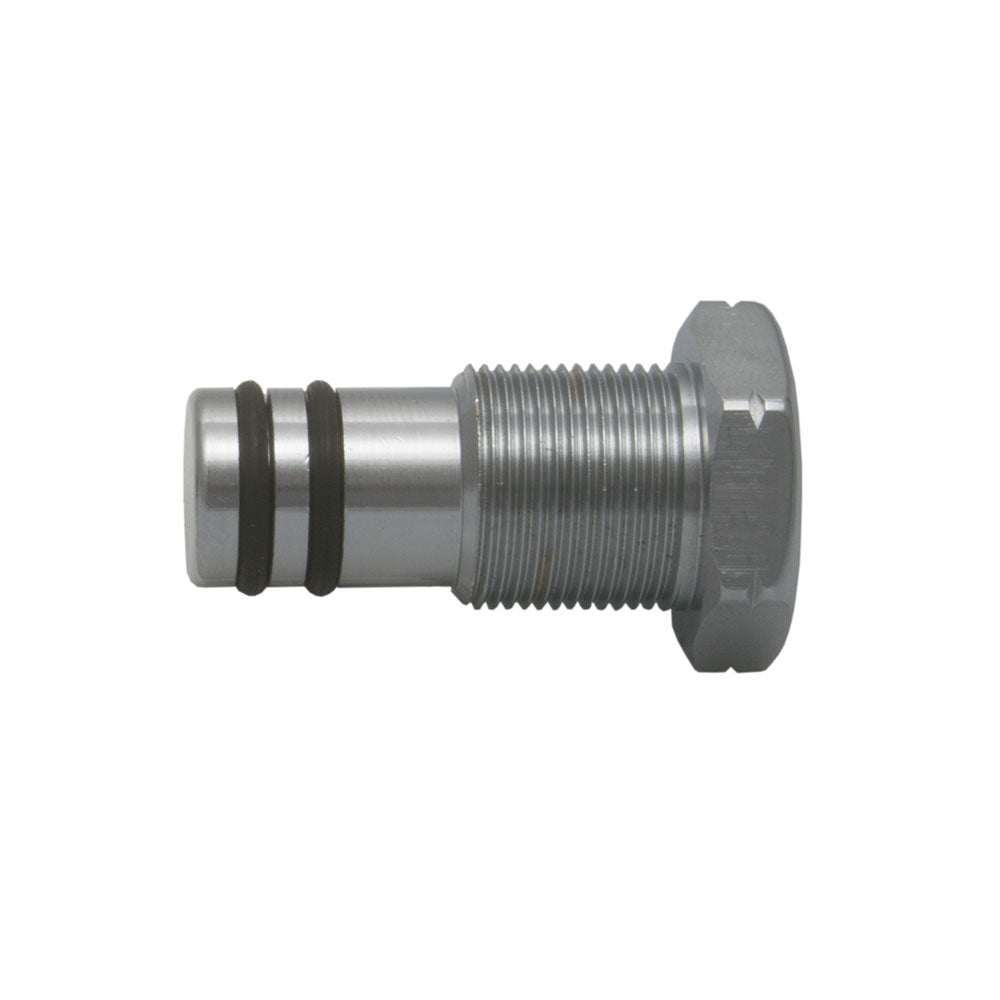
A DIN valve takes a regulator that screws into the valve, capturing the O-ring inside the fitting. An A-clamp valve — also called INT or yoke — takes a regulator that clamps over the face of the valve. The two are not interchangeable without an adapter, and adapters are specific to the fitting and the pressure they are built for, so check the manufacturer specification. If you are not sure which your regulator uses, bring it in and we will look at it with you.
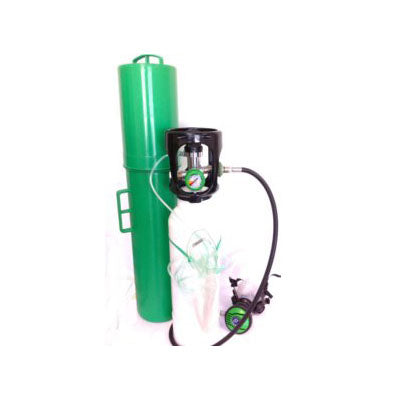
Yes — we fill air, enriched air (nitrox) and oxygen on site. There are conditions a cylinder has to meet before we can fill it, and our Air and Gas Fills page sets out exactly what we need, including how we handle nitrox blending. Please have a read before you come in, or give us a call and we will tell you where you stand.
Steel and aluminium cylinders differ in weight, diameter and how their buoyancy changes across a dive, and those figures vary between individual models as much as between the two materials. Check the manufacturer specification for the cylinder you are looking at, and talk to us before you commit — the choice affects how much lead you carry and how the cylinder trims out on your back, so it is worth getting right first time.