

Video Lights

Video lights give back the colour and detail that water takes away. This range is built around Divepro's video and photo lighting, together with an Ammonite System video set, and covers video light heads, a macro snoot light, a red, blue and UV head, a diffusion filter and the rechargeable battery packs that power them. Output, beam angle, colour temperature and run time vary by model, so check the manufacturer specification for the light you are considering.

Diver holding an underwater video light and camera rig above soft coral
  • Expert advice

    Talk to divers who use the kit we sell.

  • Servicing and repairs

    Regulators, cylinders, drysuits, BCDs and computer batteries.

  • Rutland dive centre

    A real shop in Oakham, with training and pool sessions.

  • UK delivery

    Posted across the UK. Ask about lead times on special orders.

Filter

    Why underwater video needs its own lighting

    Water absorbs colour as you descend, and it takes the warm end of the spectrum first, which is why footage shot on natural light alone comes back flat and blue. A video light puts that colour back in, so what you saw is what you get. Compared with a spot torch, a video light is generally designed to spread a wider and more even field, lighting the whole frame rather than putting a bright circle in the middle of it.

    What is in this range

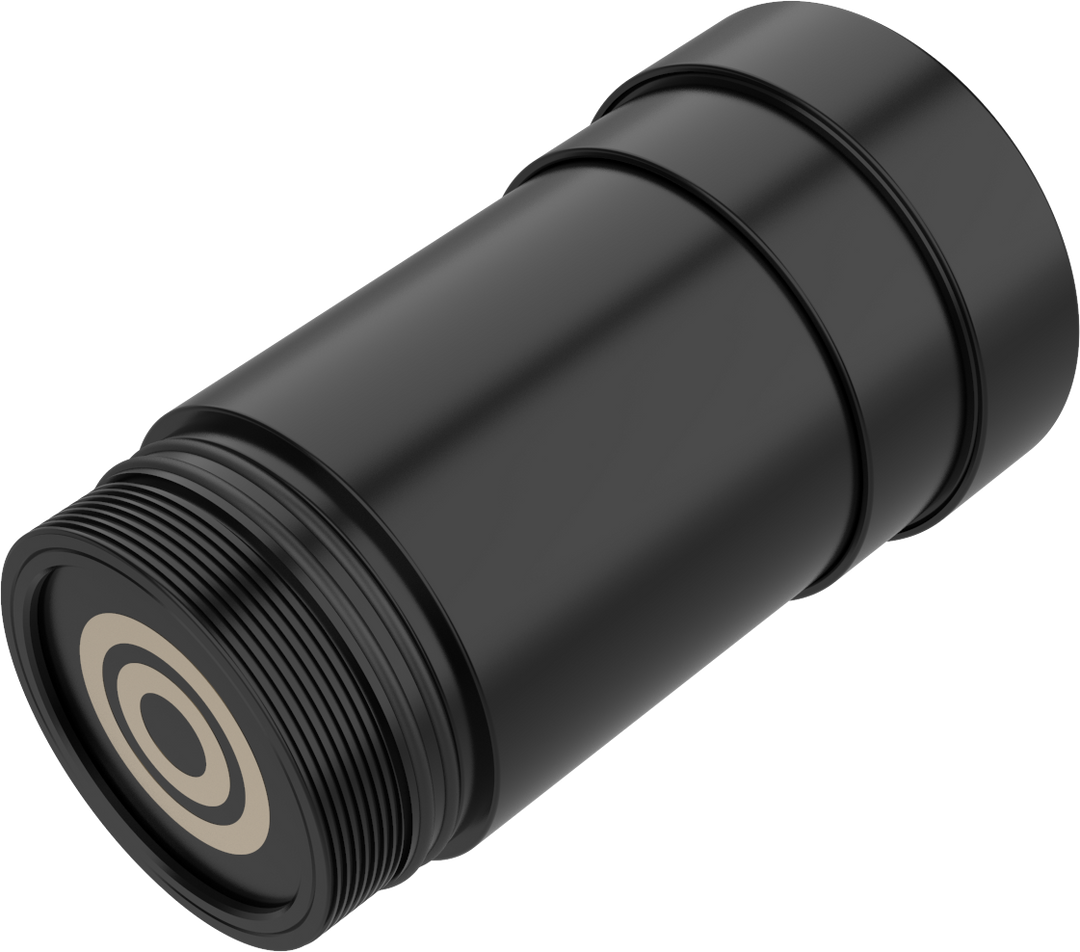
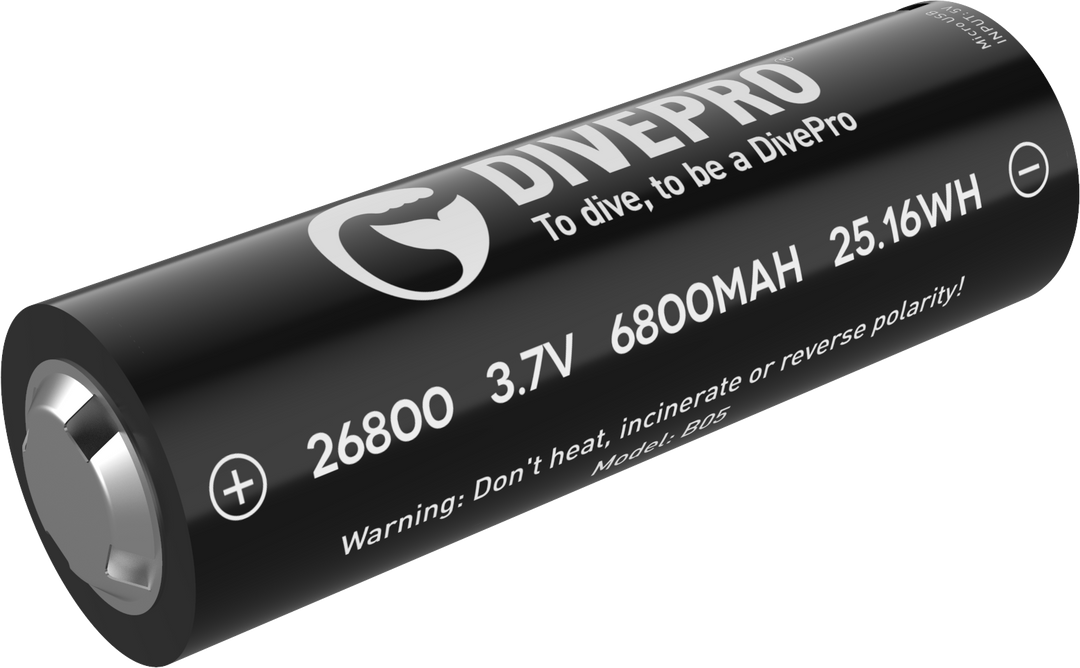
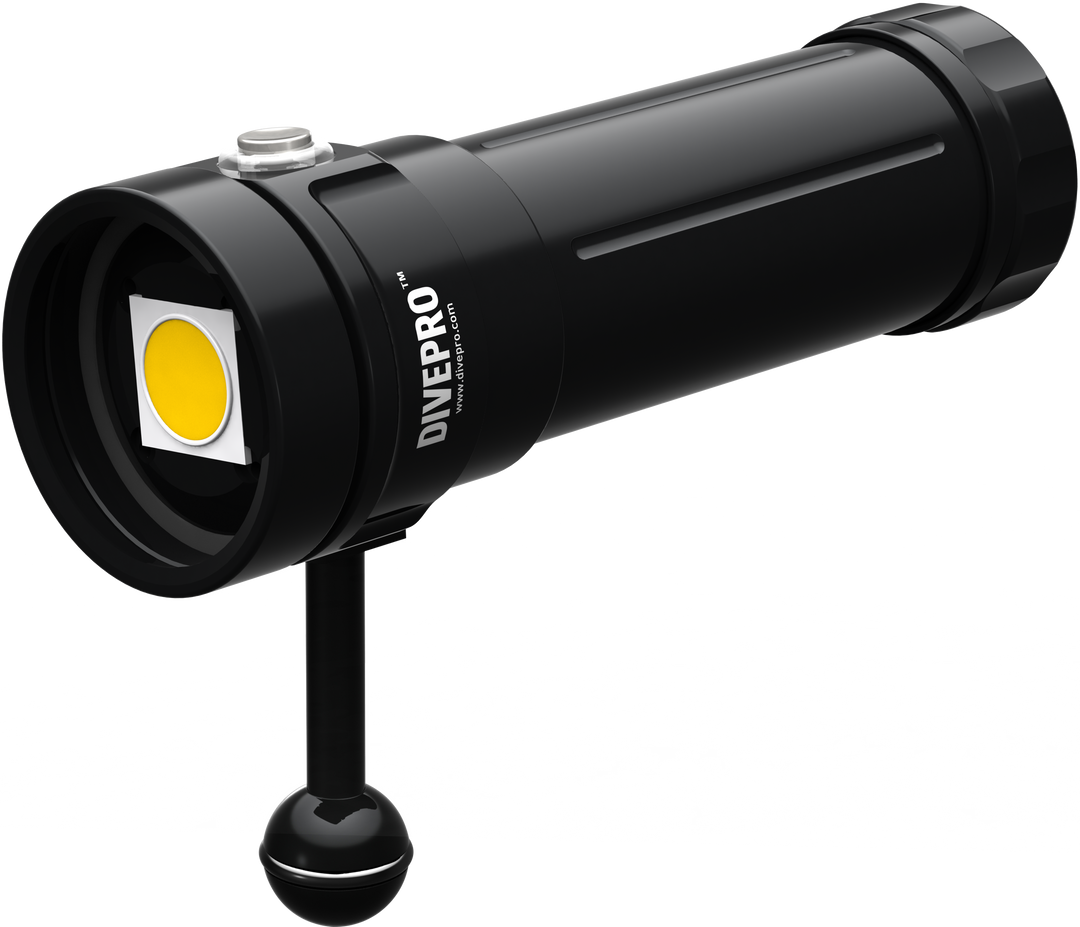
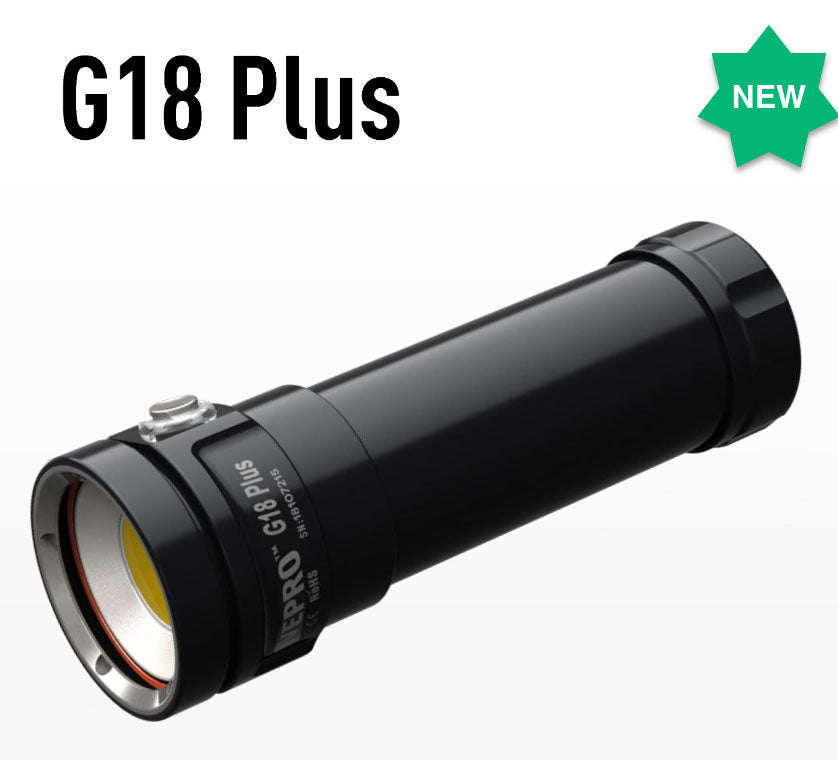
    Divepro makes up almost all of this collection, spanning compact heads through to larger units, a macro snoot light for tightly controlled close-up work, a red, blue and UV head, and a frosted diffusion filter for softening output. Rechargeable battery packs are listed separately, including wireless-charging versions, so you can carry a spare. There is also an Ammonite System Stingray MKII video set.

    Red light is often used to approach shy marine life, and UV is used for fluorescence photography, but both are specialist tools rather than general-purpose lighting.

    Choosing an output

    Brighter is not automatically better. In the particle-heavy water we often dive in the UK, a very powerful light pointed straight down the lens axis lights up everything suspended between the camera and the subject, and the shot comes back full of bright specks. That is why lights are normally mounted out to the sides on arms and angled in, rather than sat on top of the camera.

    Output figures, beam angles, colour temperature and run time differ from model to model across this range, so check the manufacturer specification rather than assuming a figure carries across.

    Power and run time

    Most of the lights here run on rechargeable packs, and several packs are sold on their own so you can swap between dives on a busy day. Run time depends on the light, the power setting you use and the pack fitted, so check the manufacturer specification, and follow the manufacturer's charging and storage instructions for your particular pack.

    Mounting your lights

    Video lights are usually carried on ball-and-clamp arms fixed to a tray beneath the camera or housing, which keeps both hands on the camera and lets you angle the lights where you want them. Trays, handles, float arms, clamps and ball mounts are in our Cameras, Strobes and Accessories collection.

    Frequently asked questions

    It is mostly about the shape and quality of the beam rather than the brightness. A dive torch is generally built to throw a tighter beam so you can see into holes and signal to your buddy. A video light is generally built to spread a wider, more even field so the whole frame is lit rather than a bright circle in the middle. Some products are designed to do both. Check the manufacturer specification for the model you are looking at.
    Brighter is not automatically better. In the particle-heavy water we often get in the UK, a very powerful light aimed straight ahead can bounce back off what is suspended in the water and wash out the shot, which is why lights are usually mounted out to the sides on arms. What you need depends on the water you dive, how close you get to your subject and what camera you are using. Tell us about your set-up and we will help.
    Yes. A video light gives continuous output, which makes it easy to see exactly how your shot is lit and helps the camera focus. Many stills photographers use a flash as well or instead, because it freezes movement, but plenty shoot stills with continuous lighting alone. What suits you depends on your camera and your subject.
    Video lights are normally held on ball-and-clamp arms fixed to a tray under the camera or its housing, so both hands stay on the camera and the lights can be angled out to the sides. Trays, handles, float arms, clamps and ball mounts are in our Cameras, Strobes and Accessories collection. Fittings vary, so check the individual product listing or ask us.