

Torches and Strobes

Expert advice
Talk to divers who use the kit we sell.
Servicing and repairs
Regulators, cylinders, drysuits, BCDs and computer batteries.
Rutland dive centre
A real shop in Oakham, with training and pool sessions.
UK delivery
Posted across the UK. Ask about lead times on special orders.




Frequently asked questions
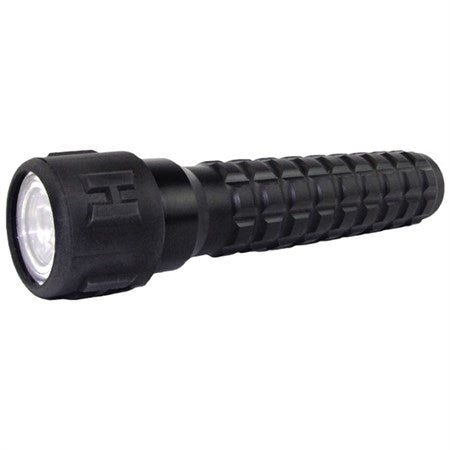
It depends on the dive. Many divers carry a primary light plus at least one compact backup, so that a single failure does not end the dive. Overhead environments such as wrecks, caves and mines carry their own requirements, and those come from your training agency and your dive plan rather than from us. Tell us how and where you dive and we will help you work out a sensible set-up.
These vary enormously across the range, and often between variants of the same model, so we do not quote a single figure for the collection. Check the manufacturer specification on the individual product page for the light you are considering, and ask us if anything is unclear.
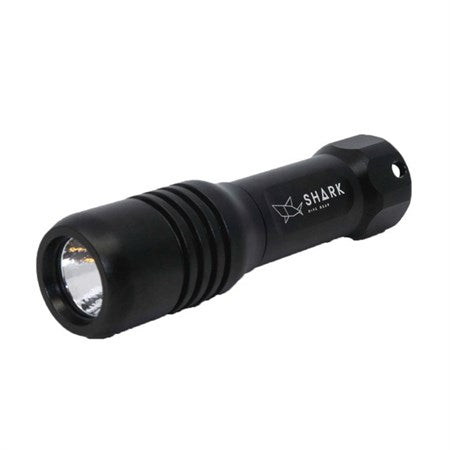
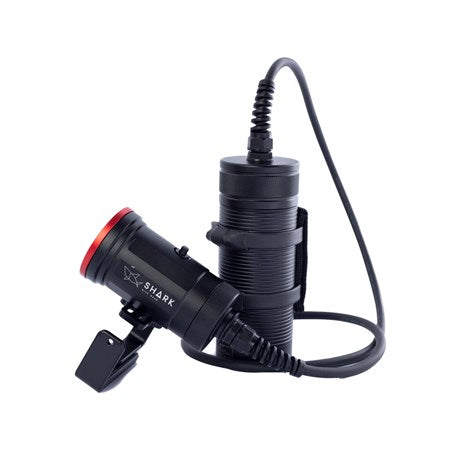
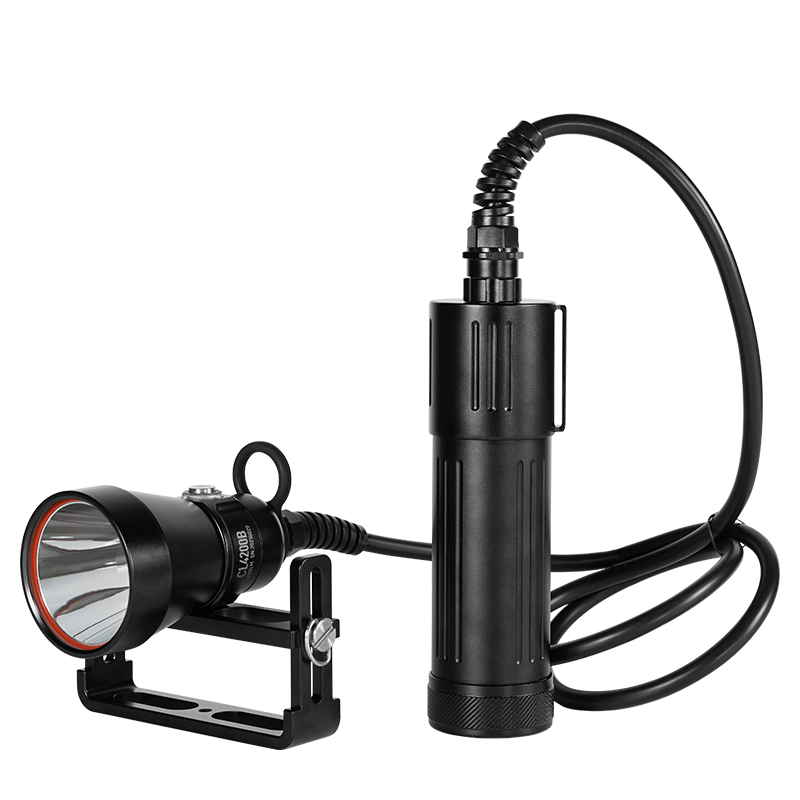
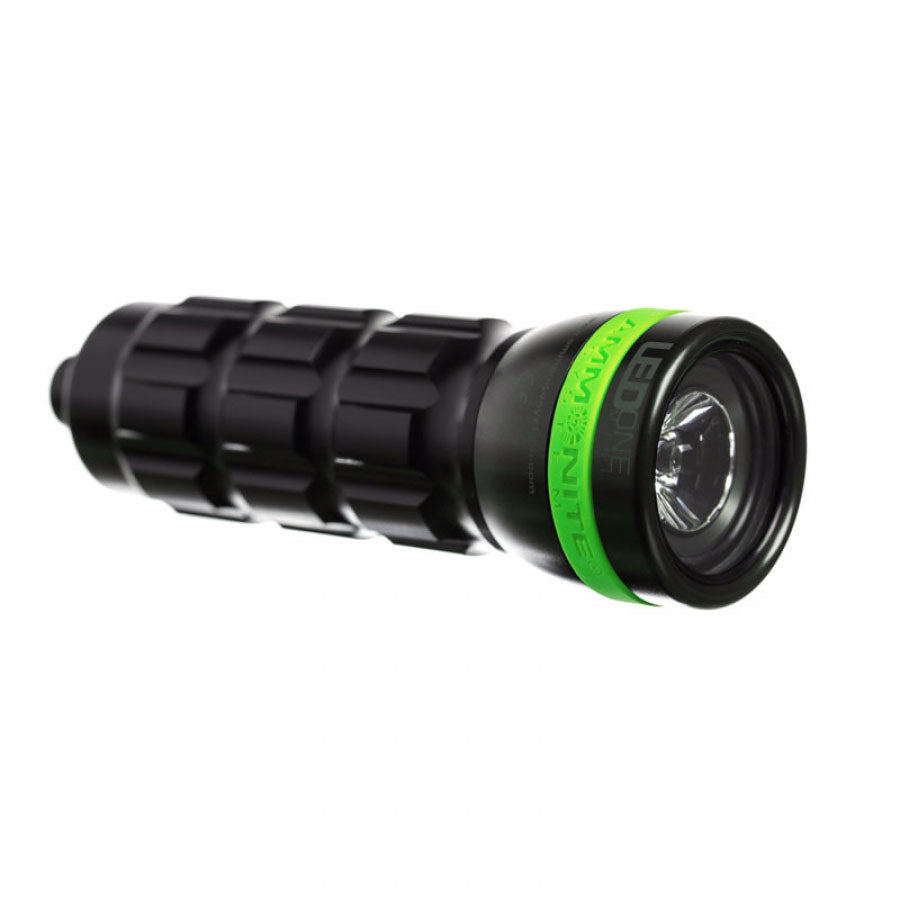
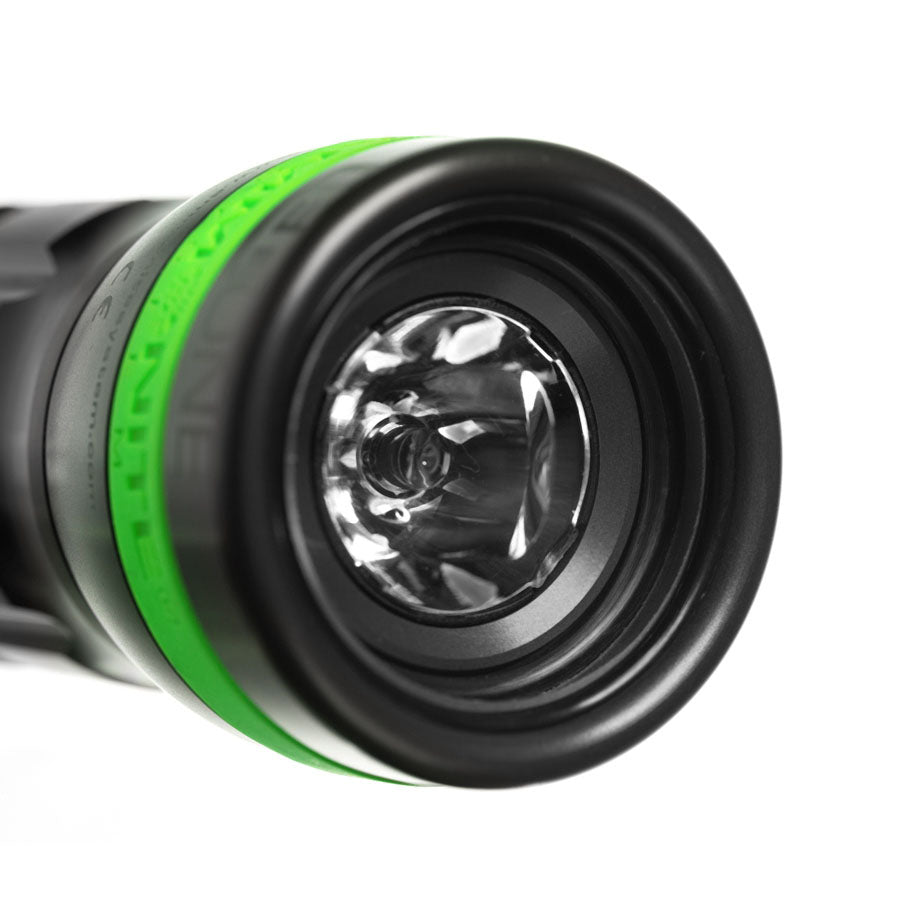
A handheld torch keeps the battery and the light head in one unit. An umbilical system separates them: the battery canister is worn on your harness and a cable runs to a separate light head, which moves the weight off your hand and lets you keep the head on a Goodman-style handle. Which suits you depends on your kit configuration and the kind of diving you do, so come and talk to us.
A strobe or marker beacon is used to make you easier to see and to find, whether that is on the surface waiting for pick-up, at a shot line, or keeping track of each other in a group. Whether you need one depends on the site, the conditions and how you are diving. Ask us and we will talk it through.