





Drysuits
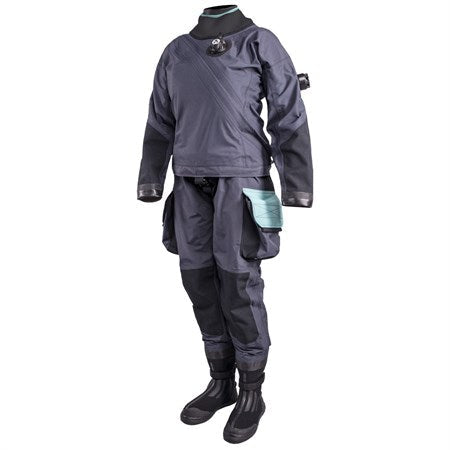

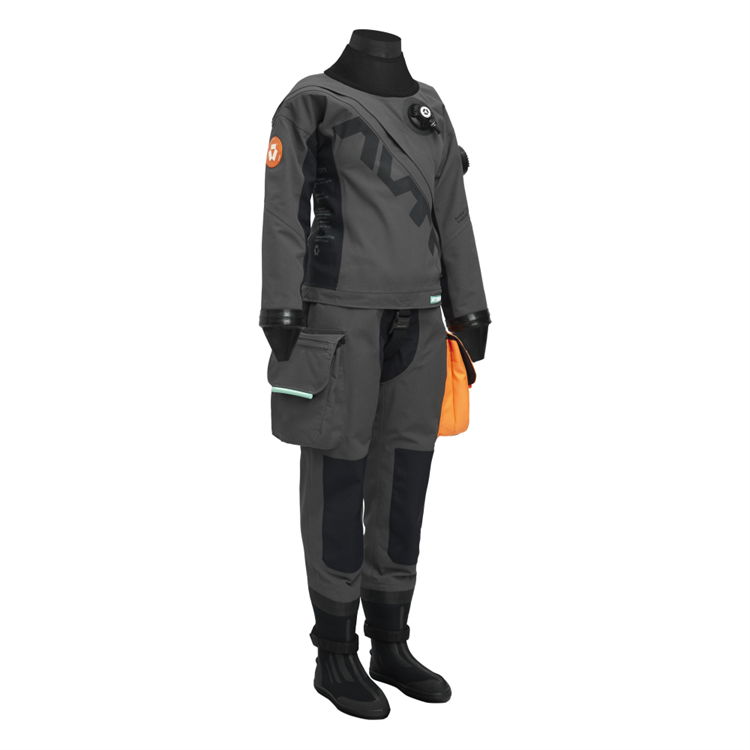
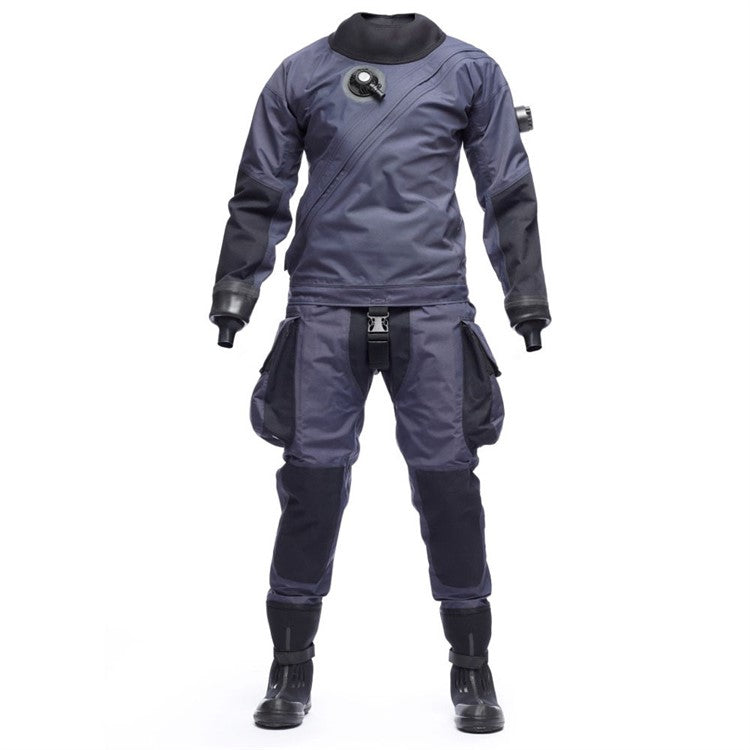




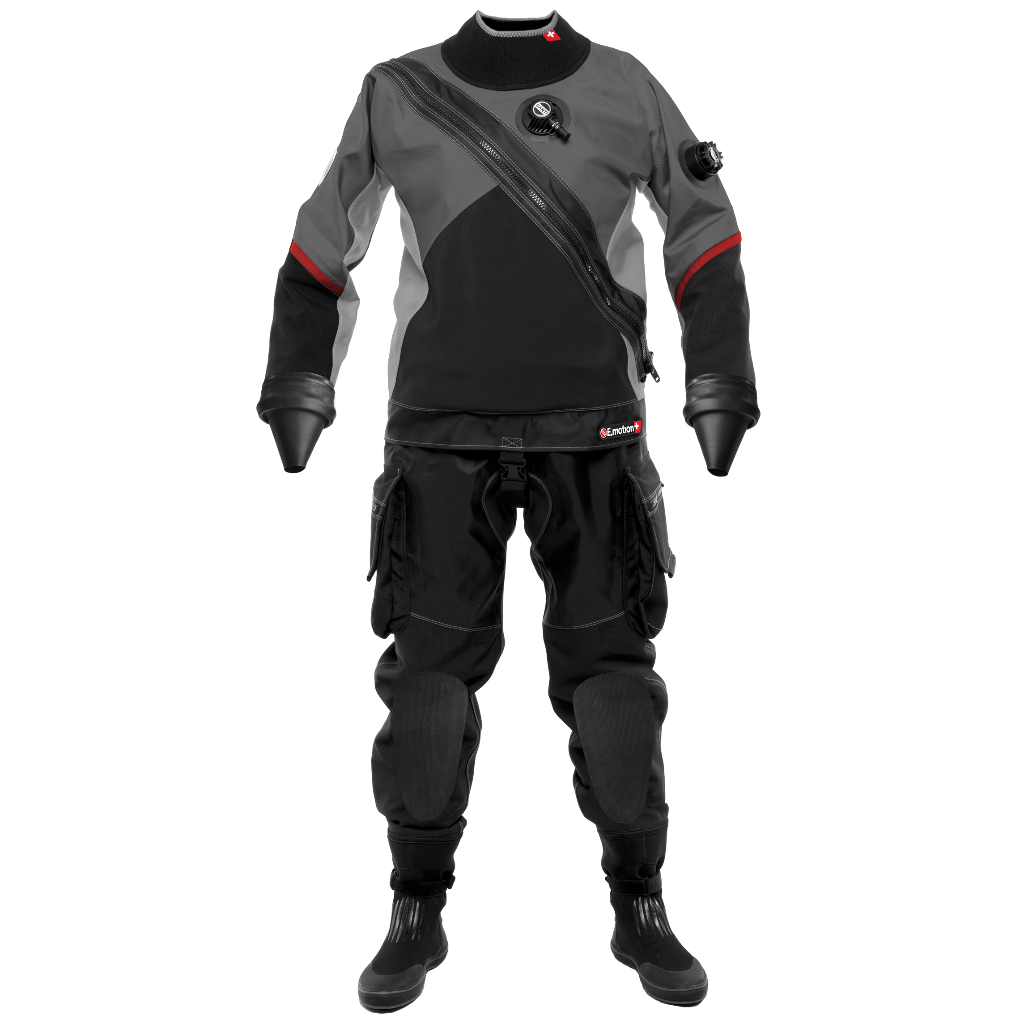
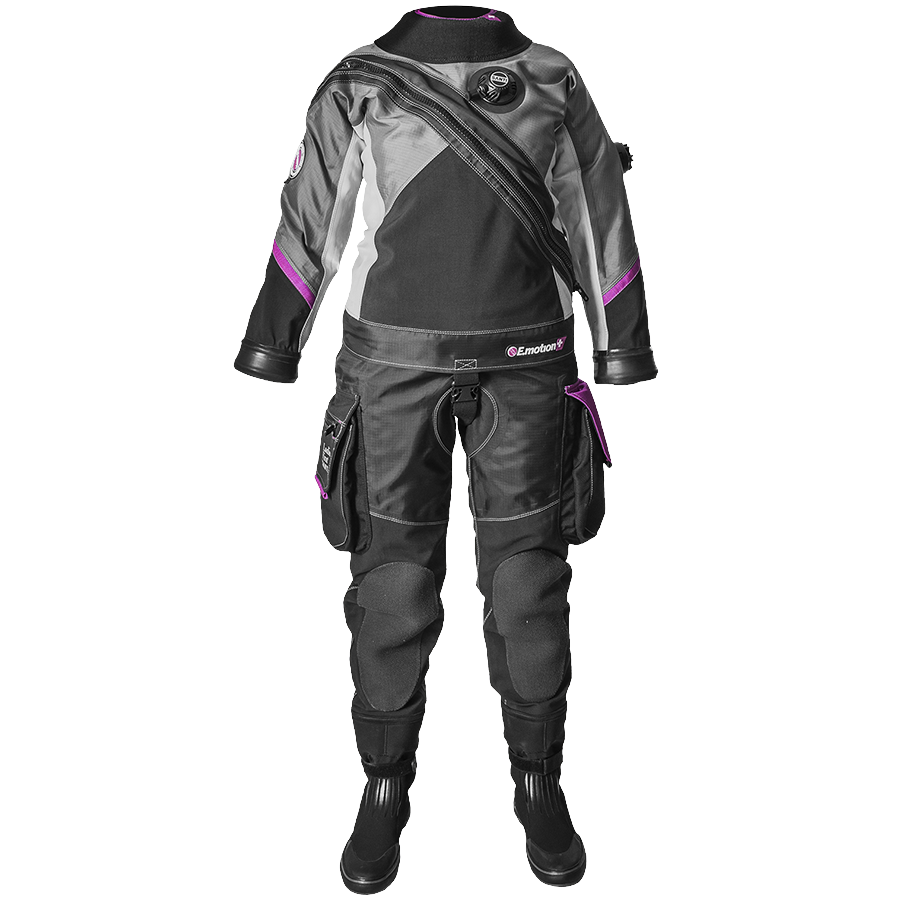

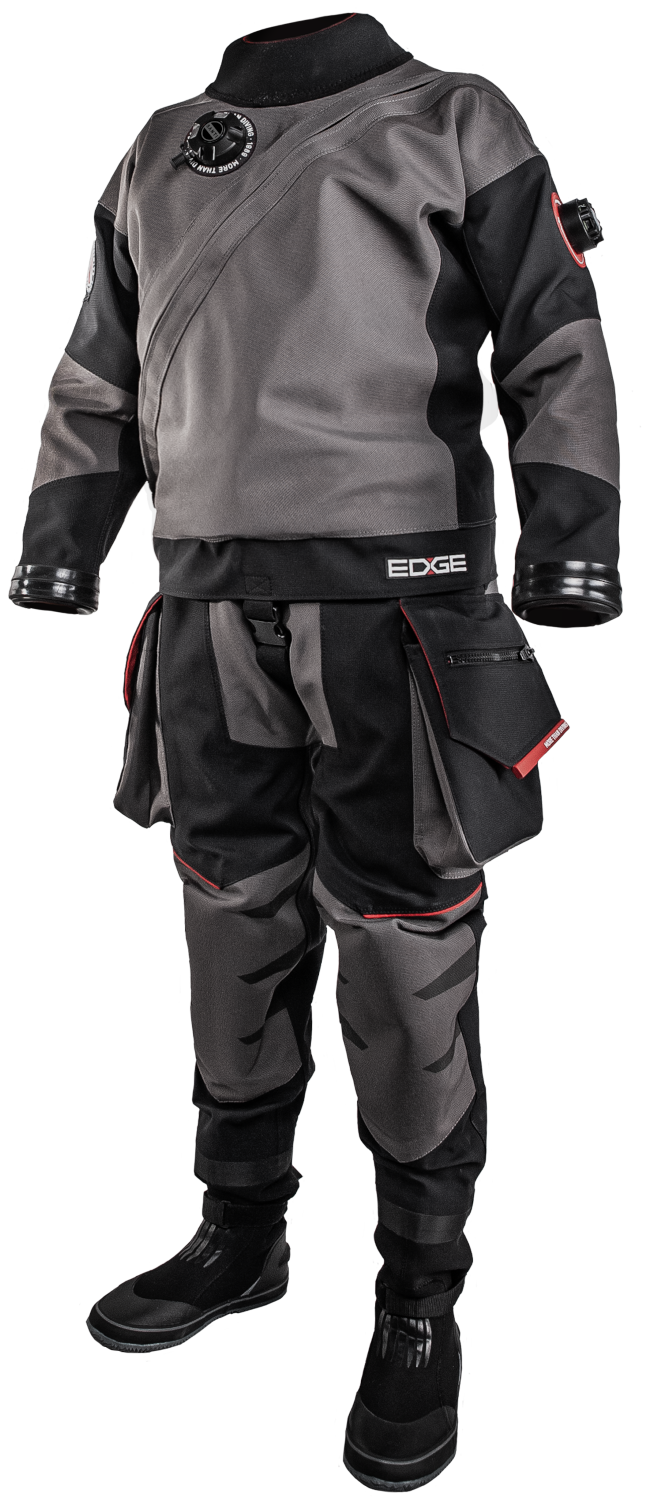

Drysuits – Staying Warm, Dry and Comfortable
For many divers, especially in the UK, a drysuit is not a luxury but an essential part of their kit. Designed to keep you completely dry, drysuits protect you from cold water and harsh conditions, helping reduce heat loss and allowing you to focus on your dive rather than your temperature.
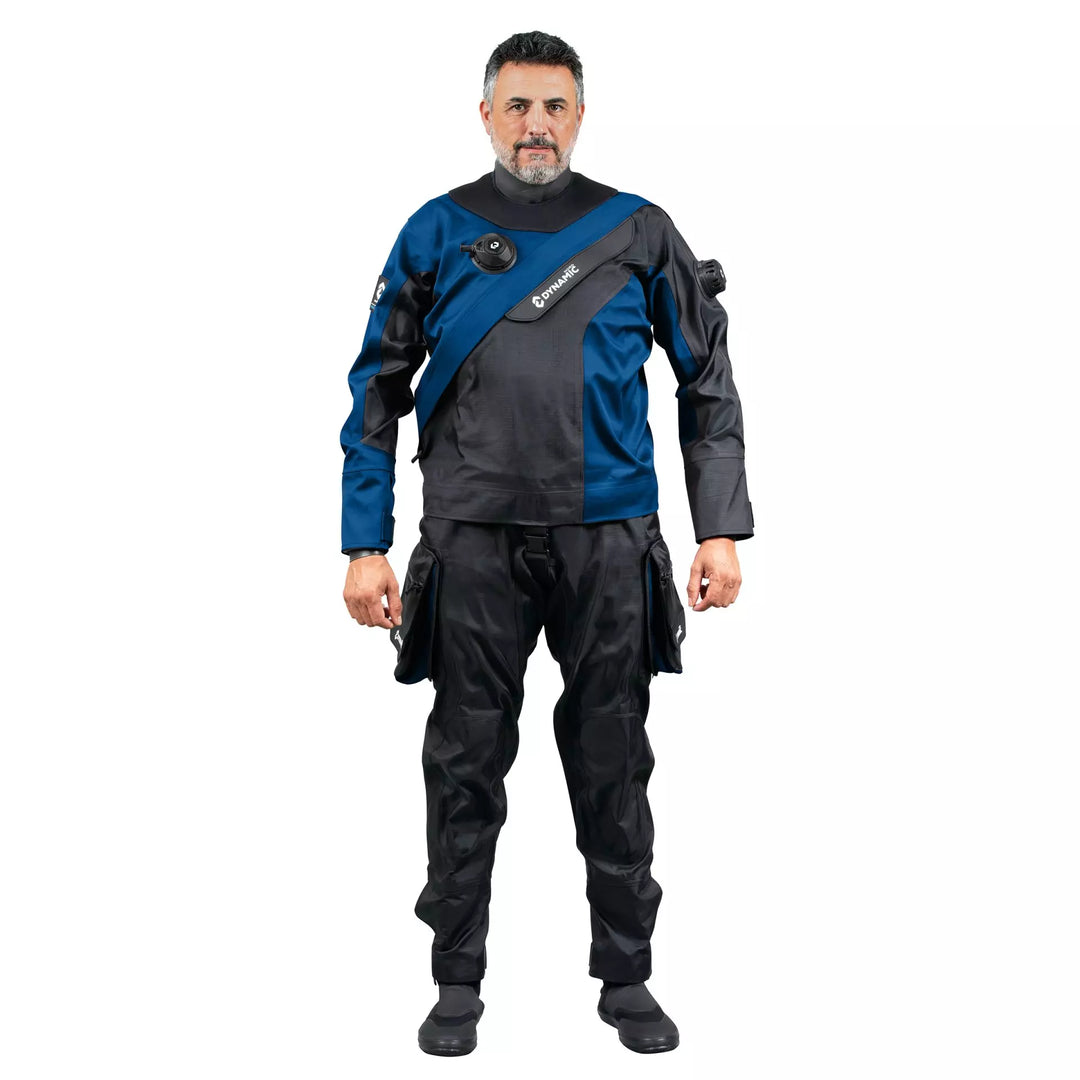
Unlike wetsuits, drysuits work by creating a waterproof barrier between you and the water. Warmth is provided by the undersuit you wear beneath, giving you the flexibility to adjust insulation depending on water temperature and dive duration. This makes drysuits ideal for year-round diving and longer or more demanding dives. Learn more: Dynamic Nord Superior Drysuit vs Santi E.Lite Drysuit
Choosing the Right Drysuit
When selecting a drysuit, there are a few key factors to consider:
Materials & Construction
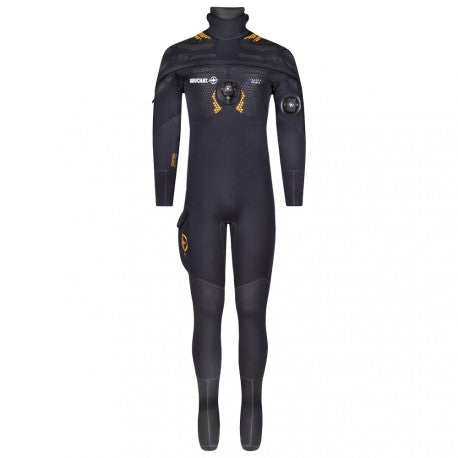
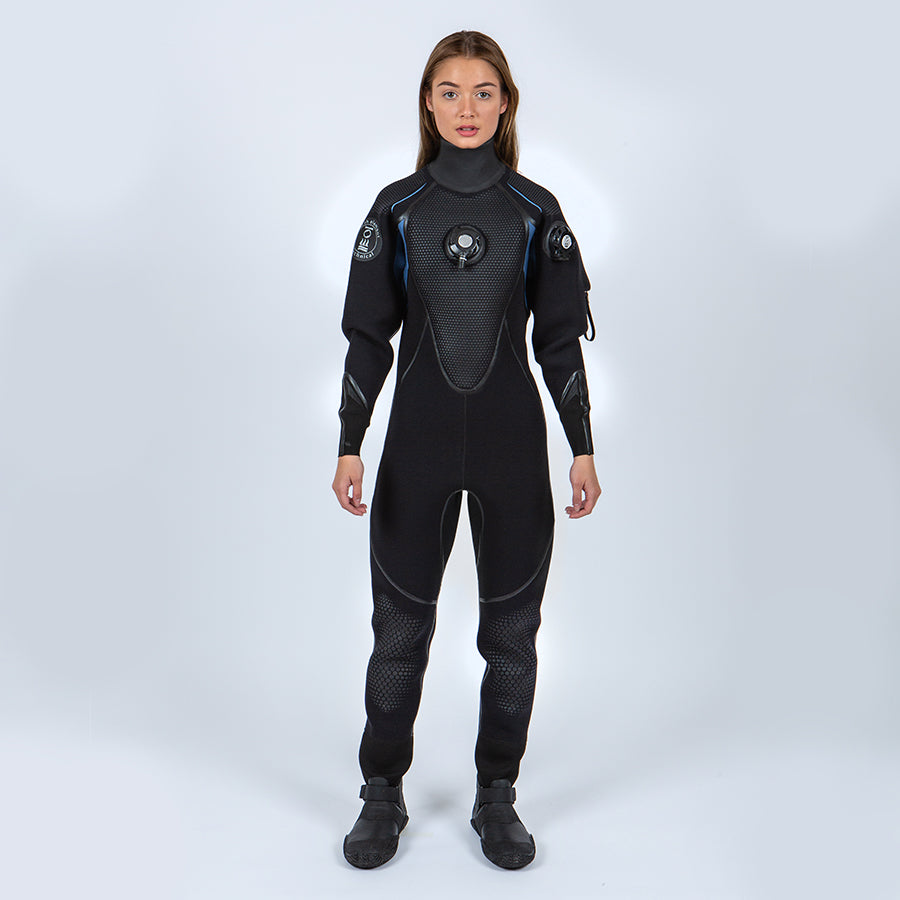
Drysuits are commonly made from membrane fabrics or neoprene, each offering different benefits. Membrane suits are lightweight and versatile for layering, while neoprene suits provide inherent insulation and durability.
Thermal Protection
The suit itself keeps you dry, but warmth comes from your choice of undersuit. Selecting the right combination is crucial for comfort, particularly in colder water.
Fit & Comfort
A properly fitting drysuit should allow freedom of movement without excess material. Comfort becomes especially important on longer dives or when carrying additional equipment.
Durability & Build Quality
Drysuits are designed for tough environments, but build quality matters. Reinforced seams, robust materials and well-fitted seals all contribute to long-term reliability.
Practical Considerations
-
Type of diving: Inland sites, UK coastal diving and technical diving all place different demands on a suit.
-
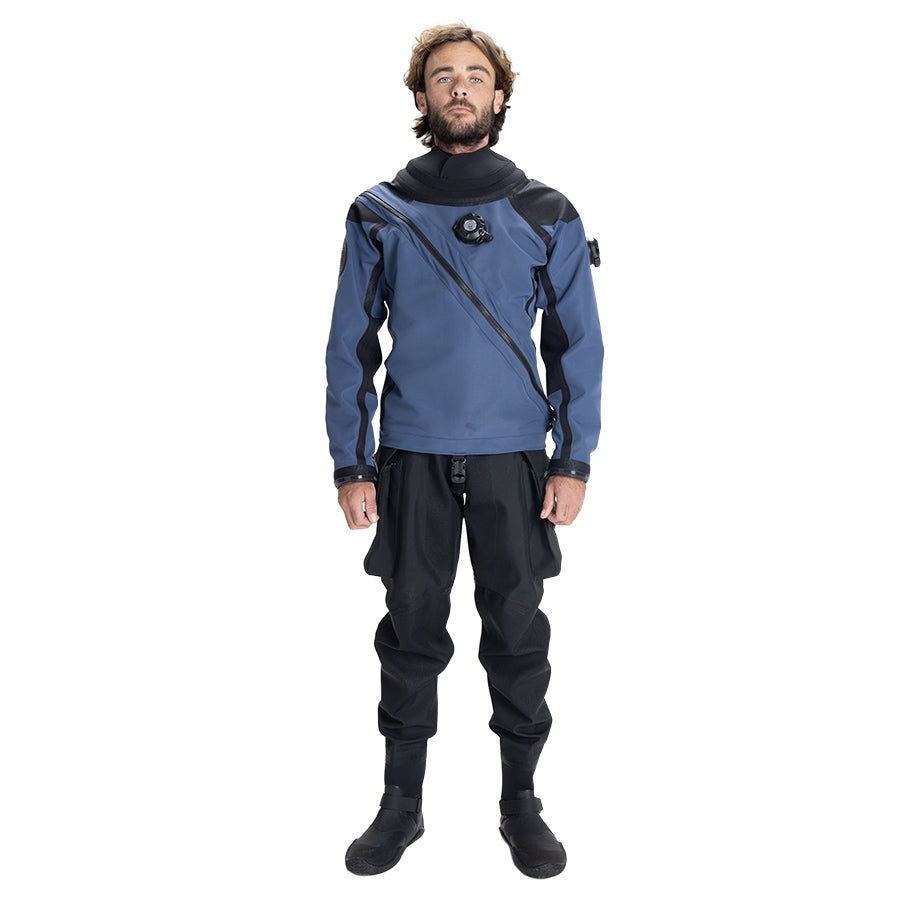
Zip style: Front-entry suits offer easier self-donning, while rear-entry suits are often simpler in design.
-
Features: Pockets, seal types and valve placement can all affect usability and personal preference.
-
Budget & longevity: A well-chosen drysuit is a long-term investment in comfort and safety.
At Dive Rutland, we recommend trying on a drysuit and getting advice before committing. The right drysuit should suit your diving style, fit properly and support the type of diving you plan to do now and in the future. With the right setup, a drysuit can dramatically extend your dive season and transform your cold-water diving experience.