



Diving Computers

Expert advice
Talk to divers who use the kit we sell.
Servicing and repairs
Regulators, cylinders, drysuits, BCDs and computer batteries.
Rutland dive centre
A real shop in Oakham, with training and pool sessions.
UK delivery
Posted across the UK. Ask about lead times on special orders.
Frequently asked questions
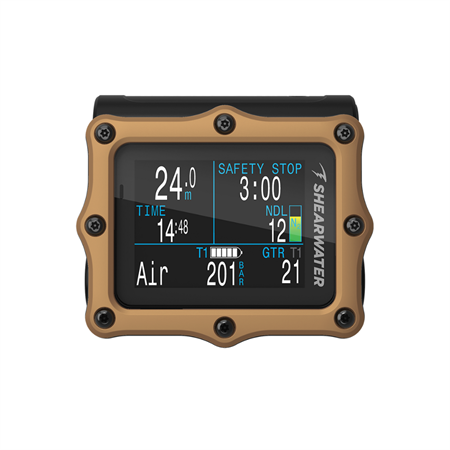
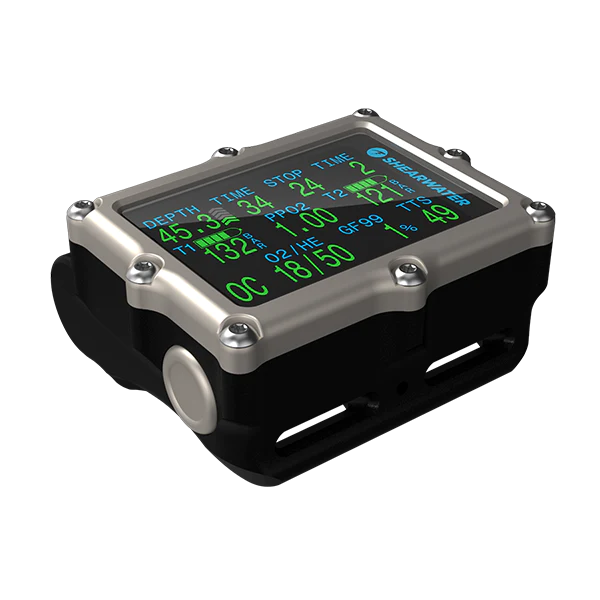
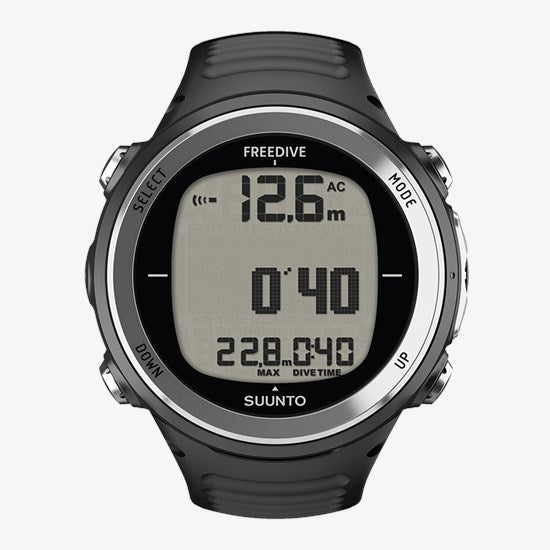
A screen you can read easily in poor visibility, nitrox support, and a menu you can navigate without the manual. Those three cover most of what a new diver actually needs.
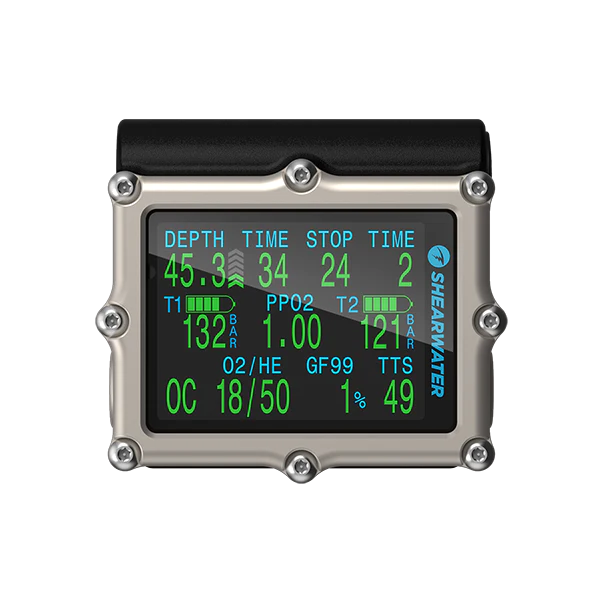
It is also worth buying one that will still suit you after your next two courses. Replacing a computer because it will not handle nitrox or a second gas is a common and avoidable expense.
It is also worth buying one that will still suit you after your next two courses. Replacing a computer because it will not handle nitrox or a second gas is a common and avoidable expense.
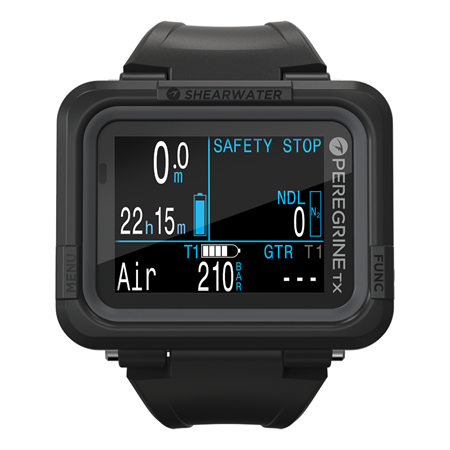
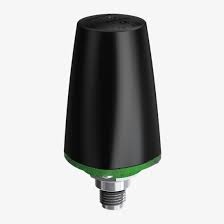
It is a convenience, not a requirement. A transmitter puts cylinder pressure on the same screen as your depth and time, and can estimate remaining gas time from your actual breathing rate.
It does not replace a submersible pressure gauge as a backup, and it adds cost and another battery to look after. Plenty of divers run without it quite happily. Check that any transmitter is compatible with your specific computer before buying the two separately.
It does not replace a submersible pressure gauge as a backup, and it adds cost and another battery to look after. Plenty of divers run without it quite happily. Check that any transmitter is compatible with your specific computer before buying the two separately.
Yes. We change dive computer batteries in house and pressure test afterwards where the model requires it, which is the step most often skipped when a battery is changed elsewhere.
Some computers are user-serviceable and some are not. Check the manufacturer specification for yours, or bring it in and we will tell you.
Some computers are user-serviceable and some are not. Check the manufacturer specification for yours, or bring it in and we will tell you.